
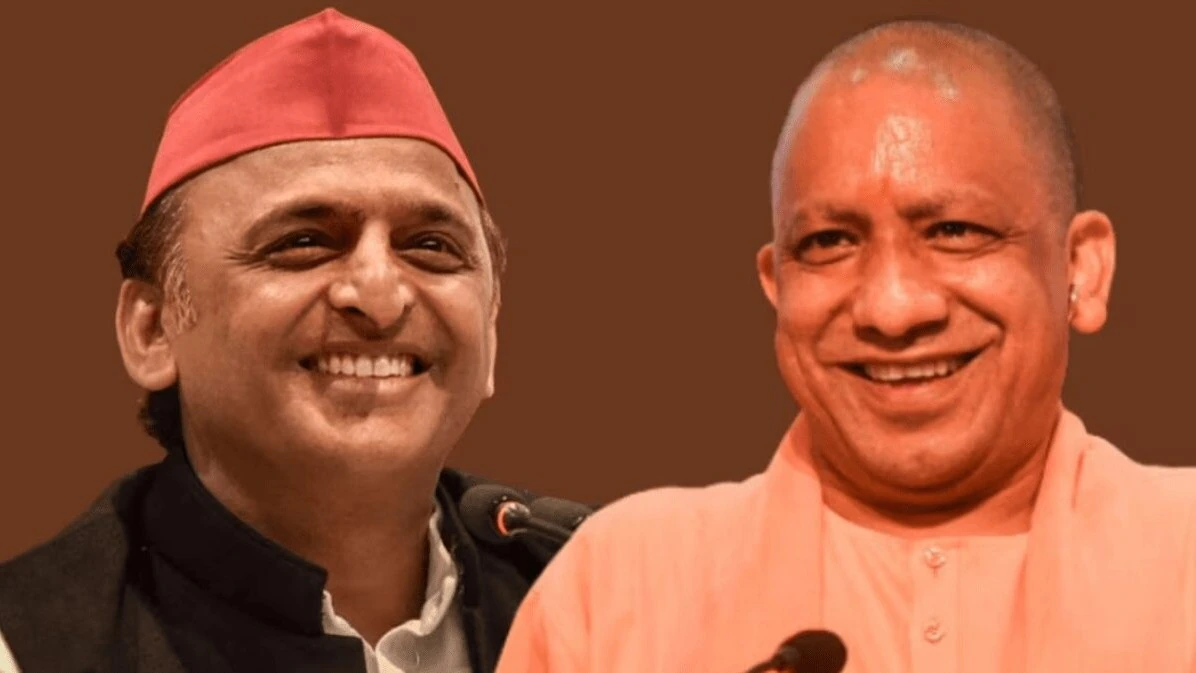
“Where Will You Apply Shampoo?” – Akhilesh Yadav’s Dig at CM Yogi Sparks Political Debate in Uttar Pradesh
Introduction
‘Where will you apply shampoo?’ Akhilesh Yadav takes a dig at CM Yogi Indian politics often thrives on sharp remarks, witty one-liners, and unexpected digs between rivals. In Uttar Pradesh, the political rivalry between Samajwadi Party (SP) chief Akhilesh Yadav and Chief Minister Yogi Adityanath has consistently produced moments that quickly capture headlines.
The most recent example is Akhilesh Yadav’s sarcastic jibe aimed at CM Yogi during a public event. Referring to Yogi Adityanath’s earlier comments on lifestyle habits and youth culture, Akhilesh quipped:
👉 “Shampoo lagāoge to lagāoge kahān? Jahan bāl hi nahī hai (Where will you apply shampoo when you don’t even have hair)?”
This seemingly lighthearted statement immediately went viral on social media, sparking debates not just about humor in politics but also about the serious undertones of political rivalry in India’s most populous state.
This blog takes a deep dive into the incident, the background rivalry between Akhilesh Yadav and Yogi Adityanath, the symbolism of such remarks, and what this means for UP’s political landscape ahead of elections.
The Background – Political Rivalry in Uttar Pradesh
Uttar Pradesh, with its 80 Lok Sabha seats and decisive role in national politics, has always been a battleground where words carry as much weight as actions.
- Akhilesh Yadav, former Chief Minister (2012–2017) and leader of the Samajwadi Party (SP), has projected himself as a modern, progressive leader appealing to youth, farmers, and backward classes.
- Yogi Adityanath, a monk-turned-politician from Gorakhpur and a staunch BJP leader, has positioned himself as a strong administrator with a hardline Hindutva image.
Both leaders represent two very different political ideologies:
- SP: Centered on social justice, secular politics, farmer and backward caste issues.
- BJP under Yogi: Focused on nationalism, Hindutva, law-and-order, and welfare schemes.
This rivalry has often spilled into sarcastic remarks, witty comebacks, and sharp public criticisms.
Yogi Adityanath’s Earlier Comment
The spark for Akhilesh Yadav’s shampoo remark comes from CM Yogi’s past speeches, where he often criticized the youth for blindly imitating Western habits.
- Yogi has spoken against excessive focus on looks, grooming, and lifestyle products.
- He argued that real development comes not from external appearance but from values, hard work, and discipline.
It is in this context that Akhilesh Yadav seized the opportunity to make a sarcastic counterpoint.
Akhilesh Yadav’s Shampoo Jibe
At a recent rally, Akhilesh Yadav said in a mocking tone:
“Jab bāl hi nahī hain to shampoo kahān lagāoge? (When there is no hair, where will you apply shampoo?)”
The remark immediately drew laughter from the audience and quickly went viral on social media platforms like Twitter (X), Instagram, and WhatsApp groups.
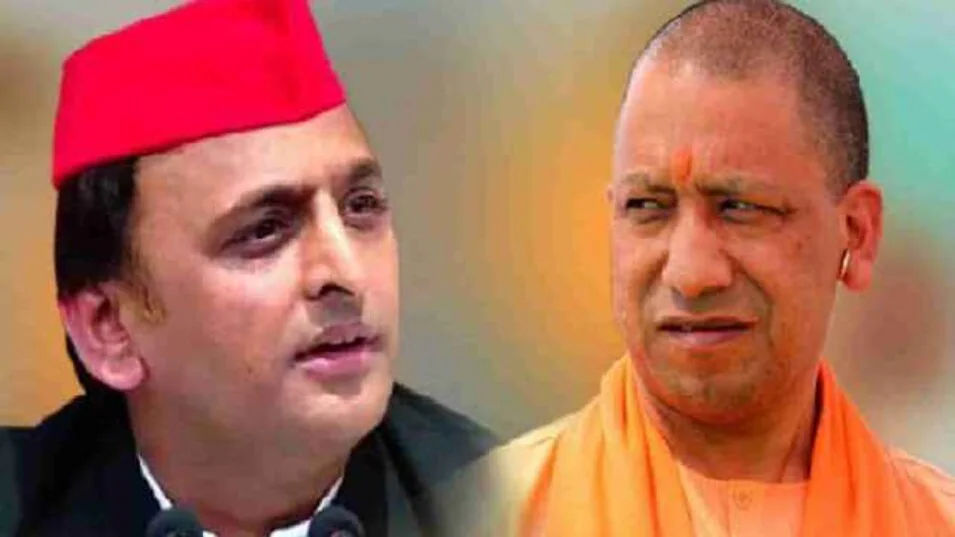
While on the surface, this seems like just a joke about Yogi’s baldness, in politics, every jibe carries a deeper message.
The Deeper Meaning Behind the Remark
- Personalized Satire – By pointing out Yogi’s bald look, Akhilesh brought humor into politics, which connects instantly with the masses.
- Youth Connection – Shampoo, grooming, and style are associated with young voters. Akhilesh wants to project himself as the leader more in touch with the aspirations of the youth.
- Countering BJP’s Moral Policing – Yogi has often criticized Western-inspired lifestyle choices. Akhilesh flipped the argument, suggesting Yogi himself is disconnected from such realities.
- Media Amplification – Such remarks are tailor-made for headlines, memes, and viral videos—an important tool in modern political campaigning.
Public and Social Media Reaction
The shampoo remark became a trending topic on social media within hours.
- SP supporters celebrated it as a witty comeback that exposed Yogi’s rigidity.
- BJP supporters dismissed it as a cheap shot, saying leaders should debate policies, not appearances.
- Neutral observers noted that while humor lightens the political atmosphere, it also reflects the declining level of political discourse.
Memes, cartoons, and reels flooded the internet, showing shampoo bottles with Yogi’s image, barbershop jokes, and comparisons with international bald leaders.
Humor and Satire in Indian Politics
This is not the first time Indian politics has seen humor and satire used as weapons.
- Lalu Prasad Yadav was known for his rustic jokes.
- Narendra Modi has often used sharp one-liners to target opponents (“Shahzade,” “60-inch chest,” etc.).
- Rahul Gandhi faced mockery through nicknames like “Pappu.”
In this context, Akhilesh’s shampoo remark fits into a long tradition where sarcasm and wit often leave a stronger impact than serious speeches.
The Larger Political Battle
The real significance of this remark lies in the 2027 UP Assembly elections and the 2029 Lok Sabha elections.
- Akhilesh Yadav is trying to position himself as the main challenger to Yogi in Uttar Pradesh.
- By using humor, he is reaching out to young and first-time voters, who consume more social media than political debates.
- Yogi Adityanath, meanwhile, continues to project himself as a tough, no-nonsense administrator focusing on law-and-order and development.
Thus, every remark, however small, is part of a larger narrative-building exercise.

Criticism of Akhilesh’s Comment
Not everyone appreciated the humor. Critics argue:
- Politics should focus on issues like unemployment, farmers, healthcare, and infrastructure, not personal jibes.
- Attacking someone’s physical appearance lowers the dignity of political discourse.
- Such remarks might backfire if voters see them as disrespectful.
BJP leaders hit back, saying Akhilesh has no serious vision for development and only relies on “cheap jokes.”
Why Do Such Remarks Work in Politics?
- Instant Recall – Voters may forget policy speeches but remember witty one-liners.
- Emotional Connect – Humor creates a bond with the audience.
- Viral Culture – In the age of memes, funny remarks spread faster than policy statements.
- Deflection – Politicians use humor to avoid difficult questions and shift focus.
Akhilesh’s remark, while criticized, achieved its goal—it made him the center of political conversation.
Conclusion
The “shampoo jibe” by Akhilesh Yadav against CM Yogi may appear as just a humorous personal comment, but in reality, it reflects the high-stakes political battle in Uttar Pradesh.
It highlights how modern politics is as much about soundbites, memes, and social media presence as it is about policies and governance.
While BJP projects Yogi as a symbol of discipline and strong governance, Akhilesh positions himself as the relatable, witty leader who can speak the language of the youth.
Whether this remark will win votes or backfire remains to be seen. But one thing is certain: in India’s political theater, a single witty line can sometimes leave a bigger impact than a thousand policy promises.
Read more latest news

