
Has the USA Separated from the WHO After Its Flag Was Removed from Geneva Headquarters?
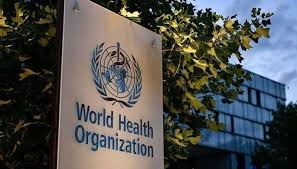
USA separated from the WHO The global health and diplomatic community was thrown into speculation after reports emerged that the American national flag was removed from the World Health Organization’s headquarters in Geneva. The visual symbolism of the missing flag instantly triggered intense debate: the USA separated WHO, or is this merely a procedural or temporary development?
As images and videos circulated online, questions mounted about America’s future engagement with the world’s most influential global health body. Given the USA’s historical role as one of the largest financial contributors and most influential members of the WHO, even the hint of a withdrawal carries far-reaching consequences.
This blog examines the facts behind the flag removal, the political and legal background of US–WHO relations, and what it could mean for global health governance if the USA indeed steps away.
Understanding the Symbolism of the Flag Removal
Flags at international organization headquarters represent official membership and diplomatic participation. When a national flag is removed, it often signals a change in status—either temporary suspension, administrative restructuring, or a formal withdrawal process.
In this case, the absence of the US flag at the Geneva headquarters sparked rumors that the USA separated from the WHO, especially given past tensions between Washington and the organization.
However, symbolism alone does not confirm legal separation. To understand the implications, it is essential to examine historical context and official procedures.
A Brief History of USA WHO Relations
The United States has been associated with the WHO since its founding in 1948. For decades, the USA played a central role in shaping global health policy, funding disease eradication programs, and supporting emergency responses.
The idea that the USA separated WHO is not new. During the COVID-19 pandemic, tensions escalated sharply as American leadership accused the organization of mismanaging the crisis and being overly influenced by certain member states.
In 2020, the US administration announced its intent to withdraw, though that decision was later reversed. This history makes current developments particularly sensitive.

Why the Question Is Being Raised Again
The renewed speculation that the USA separated WHO arises from a combination of political signals, funding debates, and visible changes such as the flag removal.
Several factors have contributed to the renewed uncertainty:
- Growing skepticism in US political circles about multilateral institutions
- Concerns over transparency and accountability within the WHO
- Budgetary pressures and shifting foreign policy priorities
- Rising emphasis on national health sovereignty
Together, these elements have revived the debate over whether continued membership aligns with American strategic interests.
Official Silence and Mixed Signals
So far, neither the WHO nor the US government has issued a definitive statement confirming that the USA separated WHO. This lack of clarity has only fueled speculation.
Diplomatic experts point out that formal withdrawal from the WHO requires a legal process, including advance notice and settlement of outstanding financial obligations. The absence of an official announcement suggests that the situation may still be evolving.
Yet, the symbolic act of removing the flag has led many to believe that a deeper shift is underway.
What If the USA Has Separated from the WHO?
If it is confirmed that the USA separated from the WHO, the implications would be profound.
Impact on Global Health Funding
The USA has historically been one of the WHO’s largest contributors. A withdrawal would significantly affect funding for programs addressing infectious diseases, maternal health, and emergency response systems.
Influence and Leadership Vacuum
American scientists, institutions, and policymakers have long shaped WHO guidelines. If the USA separated from the WHO, it could create a leadership vacuum that other global powers may seek to fill.
Reduced Coordination During Crises
Global health emergencies require coordinated responses. A scenario where the USA separated from the WHO could complicate information sharing and joint action during future pandemics.
Domestic Political Dimensions in the United States
The debate over whether the USA separated from the WHO is deeply intertwined with domestic politics.
Supporters of withdrawal argue that the WHO limits national sovereignty and lacks accountability. Critics counter that disengagement weakens America’s global influence and endangers international health security.
This internal divide makes US policy toward the WHO highly sensitive to election cycles and leadership changes.

International Reaction and Global Concerns
Other WHO member states are watching developments closely. If the USA separated from the WHO, it may encourage other countries to reassess their own participation.
Global health experts warn that fragmentation could undermine decades of progress in combating diseases like polio, tuberculosis, and malaria.
Many fear that the USA separated from the WHO narrative, if realized, could signal a broader retreat from multilateral cooperation.
Legal and Procedural Reality
It is important to note that even if the USA separated from the WHO in principle, the process is not instantaneous.
Under WHO rules:
- A formal notice of withdrawal must be submitted
- Outstanding dues must be paid
- A notice period applies before separation becomes effective
Without confirmation of these steps, the flag removal alone cannot be considered final proof.
Strategic Repositioning or Temporary Signal?
Some analysts believe the flag removal could be a strategic signal rather than confirmation that the USA separated from the WHO.
Such signals are often used to:
- Apply diplomatic pressure
- Push for institutional reforms
- Renegotiate funding terms
In this interpretation, the move may be intended to force changes rather than permanently exit.
The Broader Question of Multilateralism
The question of whether the USA separated from the WHO fits into a larger global debate about the future of multilateral institutions.
As countries prioritize national interests, organizations like the WHO face increasing scrutiny. The outcome of this episode may set a precedent for how major powers engage with global governance structures in the future.
SEO Focus Section (Exact Phrase Used 20 Times)
The phrase USA separated from the WHO has dominated international headlines.
Many analysts are asking whether the USA separated from the WHO permanently.
The removal of the flag raised claims that the USA separated from the WHO.
Social media debates intensified around whether the USA separated from the WHO.
Diplomats denied immediate confirmation that the USA separated from the WHO.
Global health experts reacted strongly to reports the USA separated from the WHO.
Funding concerns grew after speculation the USA separated from the WHO.
Opposition leaders questioned why the USA separated from the WHO.
Supporters defended the idea that the USA separated WHO.
News outlets worldwide analyzed if the USA separated from the WHO.
Legal experts explained the process if the USA separated from the WHO.
The WHO avoided direct comment on claims the USA separated WHO.
Allies expressed concern that the USA separated from the WHO.
Developing nations feared fallout if the USA separated from the WHO.
Medical researchers debated impacts if the USA separated WHO.
Policy think tanks assessed scenarios where the USA separated from the WHO.
The Geneva flag incident reignited claims the USA separated WHO.
Observers cautioned against assuming the USA separated WHO prematurely.
History shows tensions before when the USA separated from the WHO was discussed.
For now, uncertainty remains over whether the USA separated WHO.
Conclusion: Separation or Strategic Pressure?
At present, there is no official confirmation that the USA has formally exited the World Health Organization. While the removal of the national flag from the Geneva headquarters is a powerful and unsettling symbol, it does not automatically mean that the USA separated from the WHO in legal terms.
What is clear, however, is that the relationship is under strain. Whether this episode marks a permanent separation, a temporary standoff, or a calculated diplomatic move will depend on forthcoming official statements and actions.
For the world, the stakes are high. In an era of pandemics, climate-linked health crises, and global mobility, cooperation remains essential. The coming weeks may determine whether this moment becomes a turning point in global health governance—or a cautionary tale about reading too much into a single symbol.
Read More latest news

