
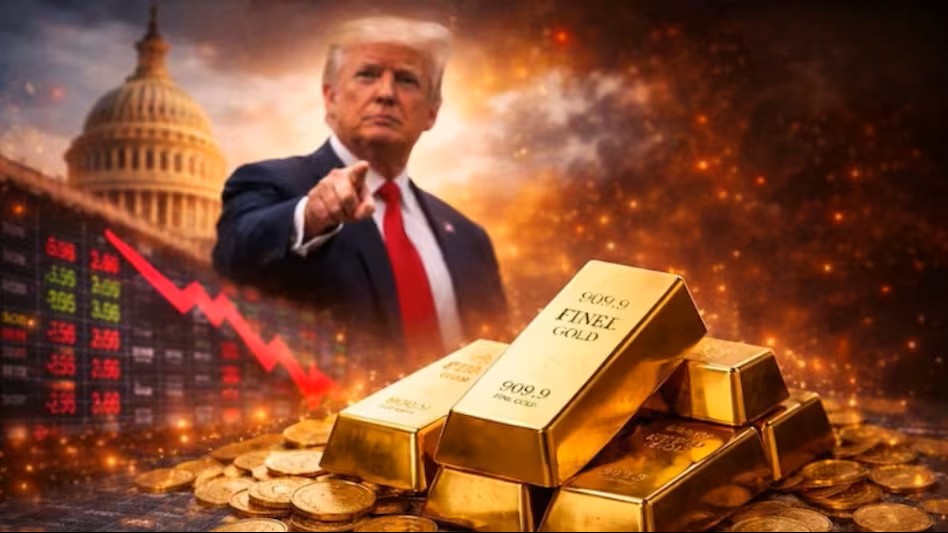
Gold and Silver Prices Crash After Strong Rally: What Caused the Sudden Fall?
rise in gold and silver prices The precious metals market witnessed a dramatic turnaround on Thursday as what had been a strong and confident rally suddenly lost momentum. After weeks of consistent gains, investors were caught off guard when gold and silver prices sharply declined in a single trading session. Silver futures plunged by nearly ₹20,000, while gold prices dropped by more than ₹4,000, bringing an abrupt pause to the bullish sentiment that had dominated the market.
This sudden correction has sparked intense debate among traders, analysts, and long-term investors. Was the fall inevitable after a sustained rally, or did global factors trigger panic selling? More importantly, what does this mean for investors who entered the market during the recent surge?
This blog takes a deep dive into the reasons behind Thursday’s crash, the broader economic signals influencing precious metals, and whether this correction marks the end—or merely a pause—in the long-term uptrend.
A Strong Rally Comes to a Sudden Stop
For months, gold and silver had been on an upward trajectory, supported by global uncertainty, central bank buying, and inflation concerns. Investors increasingly turned to precious metals as safe-haven assets amid volatile equity markets and geopolitical tensions.
However, Thursday’s trading session changed the narrative. Silver futures recorded one of their steepest single-day declines in recent times, falling by almost ₹20,000 per kilogram on the MCX. Gold prices also slipped sharply, losing over ₹4,000 per 10 grams, erasing gains built over several sessions.
Market participants described the move as a “sharp correction,” not entirely unexpected after an extended rally, but still severe enough to shake confidence.
Why Did Gold and Silver Prices Fall Suddenly?
1. Profit Booking After a Strong Rally
One of the primary reasons behind the sudden fall is aggressive profit booking. When prices rise rapidly over a short period, traders often lock in gains, leading to selling pressure. This selling snowballs as stop-loss levels are triggered, accelerating the decline.
In the case of silver, which is inherently more volatile than gold, this effect was amplified, resulting in a dramatic fall within hours.
2. Strengthening US Dollar
The US dollar strengthened against major global currencies, putting pressure on dollar-denominated commodities like gold and silver. A stronger dollar makes precious metals more expensive for holders of other currencies, reducing demand.
Historically, gold and silver share an inverse relationship with the dollar, and Thursday’s market action reaffirmed this pattern.
3. Rising Bond Yields
Another critical factor was the rise in global bond yields. When bond yields increase, the opportunity cost of holding non-yielding assets like gold and silver rises. Investors then shift funds from precious metals to fixed-income instruments offering better returns.
US Treasury yields in particular showed upward movement, contributing to the sell-off in precious metals.
4. Expectations Around Interest Rates
Market expectations around interest rate policy also played a role. Signals that central banks may keep interest rates higher for longer dampened enthusiasm for gold and silver.
While precious metals are often seen as inflation hedges, prolonged high interest rates reduce their appeal compared to interest-bearing assets.
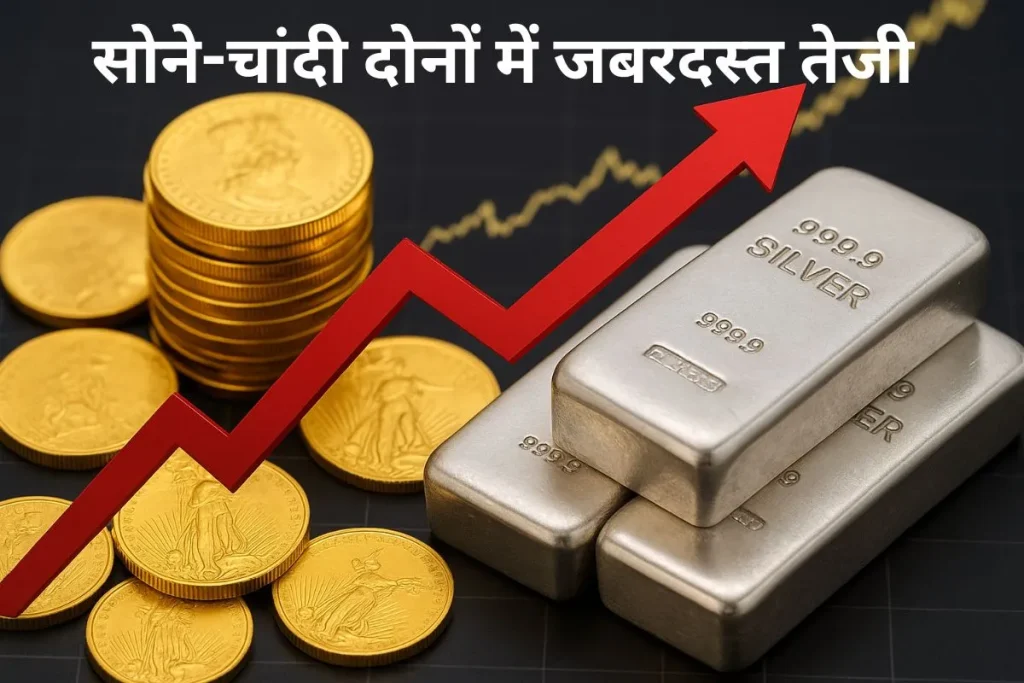
Impact on Indian Markets and Investors
In India, gold and silver are not just investment assets but also deeply linked to cultural and seasonal demand. A sudden drop in prices often creates confusion among retail investors, many of whom had entered the market expecting the rally to continue.
Jewellers, however, may see this dip as an opportunity. Lower prices can revive physical demand, especially with upcoming wedding seasons and festivals.
From an investment perspective, long-term holders remain relatively calm, viewing the fall as a correction rather than a trend reversal.
Is This the End of the Bull Run?
Despite Thursday’s sharp fall, many analysts believe the broader bullish structure remains intact. Corrections are a natural part of any uptrend, especially after extended rallies.
Several structural factors continue to support precious metals:
- Ongoing geopolitical tensions
- Central bank gold purchases
- Long-term inflation concerns
- Global economic uncertainty
These elements suggest that gold and silver may regain strength once the immediate selling pressure subsides.

Silver’s Higher Volatility Explained
Silver’s fall was significantly steeper than gold’s, and this is not unusual. Unlike gold, silver has a dual role—as both a precious metal and an industrial commodity. Demand from industries such as solar energy, electronics, and manufacturing makes silver more sensitive to economic outlooks.
Any hint of slowing global growth or tightening financial conditions can hit silver prices harder than gold.
What Should Investors Do Now?
For Short-Term Traders
Volatility is likely to remain high. Traders should exercise caution, use strict stop-losses, and avoid overleveraging positions.
For Long-Term Investors
Corrections often provide better entry points. Investors with a long-term horizon may consider staggered buying rather than lump-sum investments.
For Physical Buyers
Those planning to buy gold or silver jewellery may benefit from the temporary price dip.
SEO Focus Section (Exact Phrase Used 20 Times)
The rise in gold and silver prices has dominated market discussions for months.
The rise in gold and silver prices was driven by global uncertainty.
Many investors benefited from the rise in gold and silver prices during the rally.
Analysts closely tracked the rise in gold and silver prices across global markets.
The rise in gold and silver prices attracted strong retail participation.
Central bank buying supported the rise in gold and silver prices.
Inflation fears fueled the rise in gold and silver prices worldwide.
Geopolitical tensions added momentum to the rise in gold and silver prices.
The rise in gold and silver prices led to record levels in futures markets.
Jewellery demand increased alongside the rise in gold and silver prices.
Media coverage focused heavily on the rise in gold and silver prices.
Traders used technical indicators to predict the rise in gold and silver prices.
The rise in gold and silver prices created optimism among investors.
Mutual funds adjusted strategies due to the rise in gold and silver prices.
The rise in gold and silver prices impacted import bills in India.
Exporters also reacted to the rise in gold and silver prices.
The rise in gold and silver prices encouraged hedging strategies.
Market sentiment was bullish because of the rise in gold and silver prices.
The rise in gold and silver prices became a key economic talking point.
Thursday’s correction paused the rise in gold and silver prices.
Conclusion: Pause, Not Panic
Thursday’s sharp decline in gold and silver prices may have rattled the markets, but it does not necessarily signal the end of the long-term bullish outlook. Instead, it highlights the importance of understanding market cycles and managing expectations.
For investors, the key takeaway is simple: volatility is part of the game. While short-term movements can be dramatic, long-term fundamentals still matter more than daily price swings.
As global economic conditions continue to evolve, gold and silver will remain under the spotlight—sometimes shining brightly, and sometimes cooling off, just as they did on Thursday.
Read More latest news

