

Public Dialogue, Power, and Participation: Nitish Kumar’s Candid Moment During Samriddhi Yatra in Siwan.
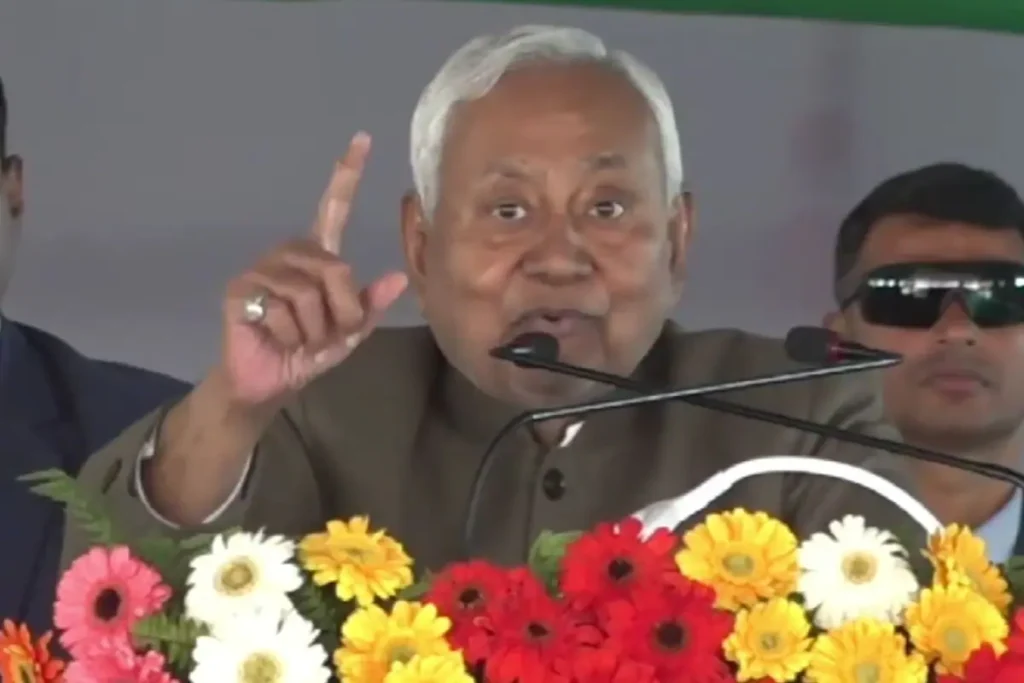
Samriddhi Yatra in Siwan Bihar’s Chief Minister Nitish Kumar is known for his direct style, administrative focus, and preference for public interaction over grand rhetoric. Once again, this approach came into sharp focus during a public dialogue program held at Rajendra Stadium as part of the Samriddhi Yatra in Siwan. The event, meant to showcase development initiatives and listen to public grievances, unexpectedly went viral after Nitish Kumar addressed a group of women who began leaving mid-speech with a candid remark: “Hey, where are you running?”
What might have been a fleeting moment quickly turned into a nationwide discussion about leadership style, public engagement, political optics, and the evolving nature of democratic dialogue in India. The incident during the Samriddhi Yatra in Siwan highlights not only Nitish Kumar’s personality but also the deeper dynamics between leaders and citizens in contemporary politics.
Setting the Stage: Rajendra Stadium and the Public Dialogue
Rajendra Stadium in Siwan was filled with citizens from nearby villages, party workers, women self-help group members, students, and local officials. The public dialogue program was one of the key stops in the Samriddhi Yatra in Siwan, an outreach initiative aimed at reviewing development work, gathering feedback, and reinforcing the government’s commitment to inclusive growth.
Unlike conventional rallies where leaders deliver scripted speeches, the dialogue format encourages interaction. People come not just to listen but to be heard. This approach has been a hallmark of Nitish Kumar’s governance model, and the Samriddhi Yatra in Siwan was designed precisely to strengthen this connection.
The Moment That Caught Attention
As Nitish Kumar was speaking about development schemes, infrastructure projects, and women empowerment initiatives, a small group of women began to leave the venue. Instead of ignoring the movement or continuing uninterrupted, the Chief Minister paused and asked with visible curiosity and a hint of humor, “Hey, where are you running?”
The remark, made during the Samriddhi Yatra in Siwan, immediately drew laughter from the crowd and sparked reactions on social media. Supporters saw it as a spontaneous, human moment. Critics questioned whether it reflected impatience or casual authority. Either way, the moment ensured that the event would be remembered far beyond Rajendra Stadium.
Leadership Beyond the Podium
Nitish Kumar’s political career has been shaped by his emphasis on governance rather than spectacle. The Samriddhi Yatra in Siwan was another attempt to bridge the gap between administration and citizens. His comment to the women was not part of a prepared speech but an instinctive response — one that revealed his belief that public presence matters.
In many ways, this interaction reflected a leader who expects attentiveness but also feels comfortable enough to address people directly. In Indian politics, where leaders often remain distant figures, such moments can humanize authority.
Women, Participation, and Public Spaces
The fact that the moment involved women leaving the event adds another layer to the discussion. Women’s participation in political programs has increased significantly in Bihar, thanks in part to policies focused on education, self-help groups, and reservation.
During the Samriddhi Yatra in Siwan, women were a visible and vocal part of the audience. Their decision to leave early could have had many reasons — household responsibilities, fatigue, or logistical constraints. Nitish Kumar’s comment, while lighthearted to some, also highlighted the constant negotiation women face between public participation and private duties.
Supporters Perspective A Relatable Leader
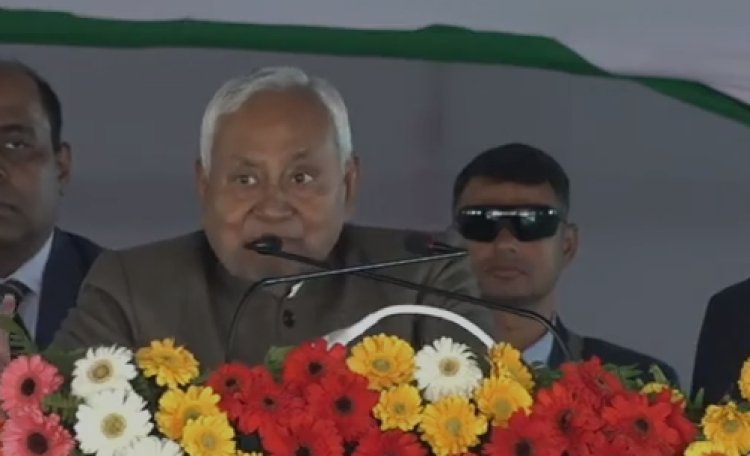
Supporters of the Chief Minister were quick to defend the remark made during the Samriddhi Yatra in Siwan. They argued that Nitish Kumar’s question was not scolding but conversational, reflecting familiarity rather than authority.
For them, this was evidence of a leader who notices people, reacts in real time, and values their presence. In an era of teleprompters and carefully curated appearances, such unscripted moments are seen as refreshing.
Critics’ View: Optics Matter
On the other hand, critics argued that leaders must be mindful of how remarks can be perceived. Even casual comments can be interpreted differently once they leave the context of the event.
According to critics, the Samriddhi Yatra in Siwan incident shows the importance of sensitivity in public communication, especially when addressing women. In a media environment where short clips circulate without context, every word carries weight.
Social Media Reaction and Viral Politics
Within hours, clips from the Samriddhi Yatra in Siwan flooded social media platforms. Memes, opinion threads, and short videos dissected the moment from every angle. Some users praised Nitish Kumar’s spontaneity, while others debated power dynamics between leaders and citizens.
This reaction underscores how political communication has changed. A single line spoken at a local stadium can become a national talking point, shaping narratives far beyond the original intent.
The Purpose of Samriddhi Yatra
Beyond the viral moment, it is important to understand the broader objective of the Samriddhi Yatra in Siwan. The yatra is part of a larger effort to review development work, promote welfare schemes, and reinforce accountability at the grassroots level.
Road construction, education initiatives, health services, and women-centric programs were all highlighted during the event. The public dialogue format allows citizens to raise issues directly, reinforcing participatory governance.

Direct Democracy in Practice
The Samriddhi Yatra in Siwan reflects a model of governance that emphasizes listening as much as speaking. Nitish Kumar’s willingness to engage with the crowd — even to the extent of commenting on people leaving — signals his belief that leadership is a two-way interaction.
Such engagement can strengthen trust, but it also requires balance. Leaders must ensure that familiarity does not slip into perceived authority or impatience.
Historical Context of Nitish Kumar’s Style
Nitish Kumar has long cultivated an image of a no-nonsense administrator. From surprise inspections to public grievance hearings, his approach has often been hands-on.
The moment during the Samriddhi Yatra in Siwan fits into this broader pattern. It was not an isolated incident but part of a consistent leadership style that values presence, discipline, and attention.
Public Expectations Are Changing
Citizens today expect more than speeches. They want dialogue, acknowledgment, and responsiveness. The Samriddhi Yatra in Siwan is an attempt to meet these expectations, but it also reveals the challenges leaders face in navigating diverse audiences.
What feels casual to one person may feel uncomfortable to another. This reality makes political communication more complex than ever.
Media Framing and Political Narratives
Media coverage of the Samriddhi Yatra in Siwan varied widely. Some outlets framed the incident as a lighthearted exchange, while others emphasized the controversy.
This divergence highlights how media framing can shape public perception. A development-focused event can quickly become defined by a single moment, overshadowing substantive discussions.
Governance vs. Optics
The incident raises a larger question: should leaders prioritize perfect optics or authentic interaction? The Samriddhi Yatra in Siwan suggests that Nitish Kumar leans toward authenticity, even if it invites criticism.
For some voters, this honesty is appealing. For others, it underscores the need for caution and sensitivity.
Lessons for Political Leadership
One key takeaway from the Samriddhi Yatra in Siwan is that public engagement is powerful but unpredictable. Leaders who choose dialogue over distance must be prepared for moments that cannot be scripted.
These moments can build connection or spark controversy — sometimes both at once.
The Road Ahead
As Nitish Kumar continues his outreach programs, the Samriddhi Yatra in Siwan will likely be remembered as an example of how small interactions can define larger narratives.
The challenge for leadership is to ensure that such programs remain focused on their core purpose: development, inclusion, and public trust.
Conclusion: Democracy in Conversation
At its heart, the Samriddhi Yatra in Siwan is about conversation — between government and people, power and participation. The viral moment at Rajendra Stadium may fade, but the questions it raised about leadership, communication, and public engagement will remain relevant.
In a democracy, leaders are constantly watched, questioned, and interpreted. How they respond in unscripted moments often reveals more than prepared speeches ever could.
Read More latest news

