
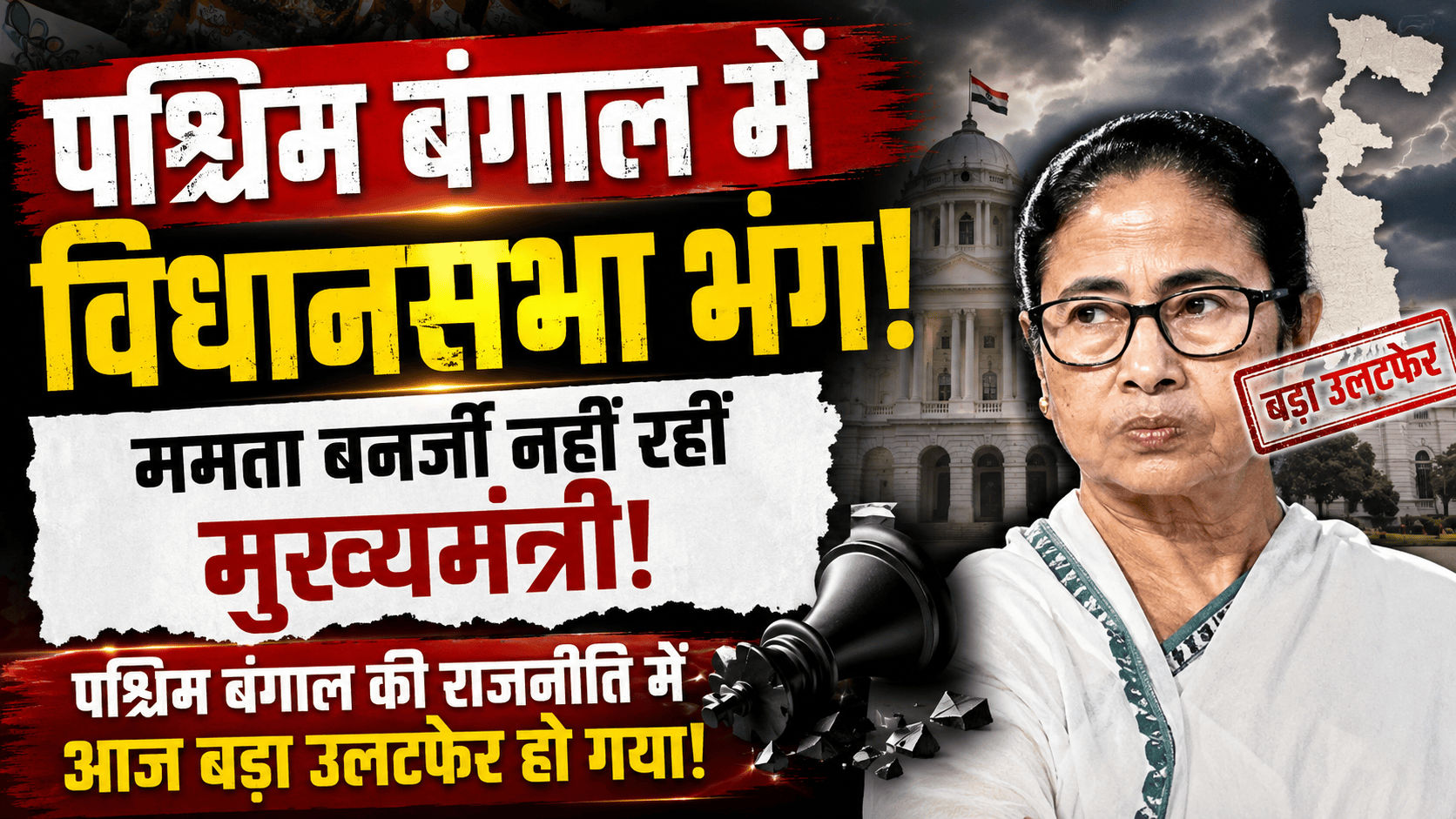
West Bengal Assembly Was Dissolved: Mamata Banerjee’s 15-Year Rule Comes to an Abrupt End
A historic and dramatic political development unfolded in West Bengal today as the West Bengal Assembly was dissolved, bringing an end to one of the most influential political eras in the state’s history. With the completion of the Assembly’s constitutional term, the Governor officially dissolved the legislative assembly and the entire cabinet. As a direct consequence, Mamata Banerjee ceased to hold the office of Chief Minister, marking the conclusion of her uninterrupted 15-year reign over Bengal politics.
The announcement that the West Bengal Assembly was dissolved has triggered massive political reactions across the country. Political analysts, opposition parties, constitutional experts, and citizens are now discussing what lies ahead for Bengal. The end of Mamata Banerjee’s tenure is being viewed not merely as an administrative process but as a turning point in the political narrative of eastern India.
For millions of supporters of the All India Trinamool Congress, the news came as an emotional moment. Mamata Banerjee had become synonymous with Bengal politics over the past decade and a half. Her rise from a grassroots leader to one of India’s most powerful regional politicians transformed the political culture of the state. But now, as the West Bengal Assembly was dissolved, the state prepares to enter a new political phase filled with uncertainty, anticipation, and intense electoral calculations.
How the Political Drama Unfolded
The constitutional term of the state assembly officially expired today, compelling the Governor to initiate the dissolution process. Following legal and constitutional procedures, the Governor accepted the end of the cabinet’s tenure and announced that the West Bengal Assembly was dissolved. With this declaration, all ministers automatically vacated their posts.
Mamata Banerjee, who had led Bengal continuously since 2011, also ceased to be Chief Minister after the dissolution. Although such dissolutions are part of constitutional procedures, the symbolism surrounding this moment is enormous because it marks the end of a 15-year political era.
The declaration that the West Bengal Assembly was dissolved immediately dominated national headlines. Political circles in Kolkata and New Delhi became highly active as parties began preparing for the next electoral battle.

Mamata Banerjee Political Journey
Mamata Banerjee emerged as one of India’s most influential politicians after ending the 34-year rule of the Left Front in 2011. Her victory was seen as a political revolution. Under her leadership, the Trinamool Congress expanded its influence from rural Bengal to urban centers.
Her supporters praised her welfare schemes, grassroots connection, and strong administrative style. Critics, however, accused her government of political violence, corruption controversies, and weakening democratic institutions.
Now that the West Bengal Assembly was dissolved, discussions about Mamata Banerjee’s legacy have intensified. Political observers are debating whether history will remember her as a transformative leader who empowered Bengal or as a controversial figure who centralized power too heavily.
Why This Moment Is Historically Significant
The fact that the West Bengal Assembly was dissolved is historically significant because it closes one of the longest continuous leadership periods in Bengal’s democratic history. Few leaders in India have managed to maintain such political dominance for such a long duration.
Over the last 15 years, Mamata Banerjee shaped the political discourse of Bengal around regional identity, welfare politics, and resistance against national-level political dominance. Her slogan-driven campaigns and street-level political style gave her immense popularity among large sections of society.
The dissolution of the assembly symbolizes more than a constitutional event. It reflects the beginning of political uncertainty and the possibility of a new power structure emerging in Bengal.
Opposition Parties Celebrate the Development
As soon as the announcement came that the West Bengal Assembly was dissolved, opposition parties intensified their attacks on the Trinamool Congress government. Leaders from the Bharatiya Janata Party described the moment as the “end of misgovernance” and claimed that Bengal was ready for political transformation.
Several BJP leaders stated that the next election would determine whether Bengal continues with regional politics or shifts toward a national political alignment.
The Left parties and Congress also reacted strongly. Leaders from the Communist Party of India (Marxist) argued that the state now has an opportunity to move beyond polarization and restore democratic balance.
The statement that the West Bengal Assembly was dissolved therefore became not just a constitutional update but a political weapon used by rival parties to mobilize voters.
Public Reaction Across Bengal
The public reaction has been mixed and emotional. In many districts, Trinamool Congress supporters gathered to express solidarity with Mamata Banerjee. Some described the moment as “temporary,” insisting that she would return to power after the elections.
At the same time, opposition supporters celebrated enthusiastically, seeing the dissolution as a sign of political change.
Across social media platforms, the phrase West Bengal Assembly was dissolved trended continuously throughout the day. Citizens debated governance, corruption allegations, unemployment, welfare policies, and the future direction of Bengal politics.
Political experts believe the emotional intensity surrounding this development could heavily influence upcoming election campaigns.
Constitutional Process Behind the Dissolution
When the term of a state assembly expires, the Governor acts according to constitutional provisions. In this case, since the tenure concluded officially, the Governor dissolved the legislative assembly and accepted the resignation of the council of ministers.
Thus, the process by which the West Bengal Assembly was dissolved followed established democratic norms. However, because Mamata Banerjee had become such a dominant political figure, the event gained extraordinary symbolic importance.
Until a new government is formed after elections, administrative continuity will be maintained through constitutional arrangements under the supervision of the Governor.
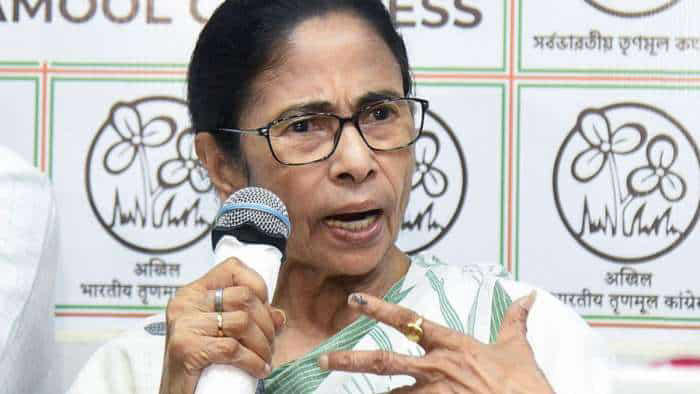
End of a 15-Year Era
Many analysts are calling this the “end of an era.” Since 2011, Mamata Banerjee remained the central face of Bengal politics. Every major election in the state revolved around her personality, leadership style, and political strategy.
Now that the West Bengal Assembly was dissolved, Bengal enters a phase where no leader currently commands the same level of political dominance.
Political commentators are comparing this moment to other major turning points in Indian politics when long-standing governments came to an end and entirely new political equations emerged.
Major Achievements Claimed by the TMC Government
During her tenure, Mamata Banerjee introduced several welfare programs that became politically influential. These included schemes focused on women, students, healthcare, and rural development.
The Trinamool Congress claims that Bengal witnessed infrastructure growth, cultural revival, and social welfare expansion under her leadership.
Even after the West Bengal Assembly was dissolved, TMC leaders insist that Mamata Banerjee’s popularity remains strong among ordinary citizens and that the party will return with a renewed mandate.
Criticism and Controversies
Despite her achievements, Mamata Banerjee’s government faced serious criticism over the years. Opposition parties repeatedly accused the administration of corruption, political intimidation, and administrative failures.
Several controversies surrounding recruitment scams and allegations of financial irregularities damaged the image of the ruling party.
As the West Bengal Assembly was dissolved, opposition leaders argued that voters would now have the opportunity to judge the government’s entire 15-year record.
BJP’s Expanding Influence in Bengal
One of the biggest political developments during Mamata Banerjee’s tenure was the rapid rise of the BJP in Bengal. From being a marginal force, the BJP transformed into the principal opposition party.
The announcement that the West Bengal Assembly was dissolved has energized BJP workers, who believe the upcoming election offers their best opportunity yet to capture power in the state.
National BJP leaders are expected to intensify campaigning in Bengal over the coming months.
What Happens Next?
After the West Bengal Assembly was dissolved, the immediate focus shifts toward election preparations. Political parties are expected to begin candidate selection, alliance negotiations, and campaign strategies.
The Election Commission is likely to announce polling dates soon. Security arrangements, voter mobilization, and campaign narratives will dominate Bengal politics in the coming weeks.
Political observers expect one of the fiercest election battles in recent state history.
The Emotional Impact on TMC Workers
For grassroots workers of the Trinamool Congress, the development carries emotional weight. Mamata Banerjee’s leadership has defined the party’s identity for years.
Many party workers see the dissolution as only a temporary pause before a political comeback. However, some internal concerns about leadership succession and organizational restructuring are also emerging.
The reality that the West Bengal Assembly was dissolved has forced the party to confront questions about its long-term future.
National Political Implications
The political impact of this development extends beyond Bengal. Mamata Banerjee has long been considered one of the strongest opposition voices against the central government.
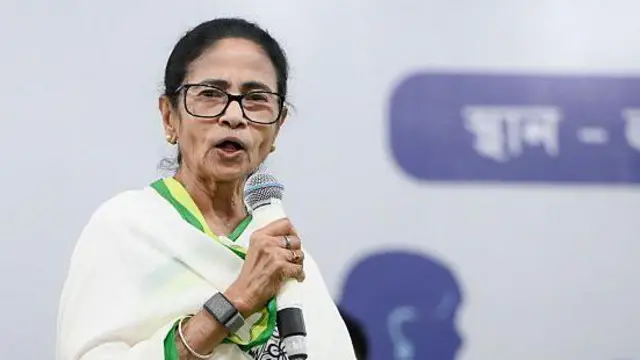
Her future political role will significantly affect opposition unity at the national level. If the Trinamool Congress performs strongly again, Mamata Banerjee may continue to influence national politics. If not, opposition dynamics across India could shift dramatically.
Thus, the moment when the West Bengal Assembly was dissolved carries implications for the broader national political landscape as well.
Bengal’s Political Future
Political analysts believe the next election could redefine Bengal’s political identity. Will voters choose continuity under Mamata Banerjee, or will they seek an alternative?
The answer will shape governance, development priorities, and political culture in the state for years to come.
As the West Bengal Assembly was dissolved, Bengal entered a period of uncertainty mixed with political excitement. Every party is now attempting to shape the public narrative in its favor.
Conclusion
The announcement that the West Bengal Assembly was dissolved marks one of the most dramatic political moments in recent Bengal history. With the expiry of the Assembly’s term, Mamata Banerjee’s 15-year tenure as Chief Minister officially came to an end.
For supporters, this is a temporary interruption before a comeback. For opponents, it is the beginning of a new political chapter. Regardless of political opinion, there is little doubt that Bengal politics has entered a transformational period.
The coming elections will determine whether Mamata Banerjee’s influence continues or whether Bengal witnesses a complete political realignment. Until then, the phrase West Bengal Assembly was dissolved will remain at the center of India’s political discussions, symbolizing both the end of an era and the beginning of a new democratic battle.
Read more latest news

