

Attack on Iran Nuclear Plant: Rising Middle East Tensions and Global Implications.
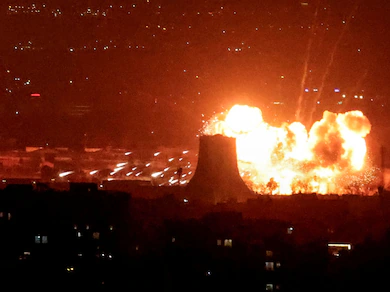
USA Attack on Iran nuclear plant The Middle East is once again at the center of global attention following shocking reports of an Attack on Iran nuclear plant. According to Iranian state media, a major strike targeted a sensitive uranium processing facility in the Khondab region, escalating tensions in an already volatile region. The incident has sparked international concern, with accusations directed toward United States and Israel, both of whom have historically opposed Iran’s nuclear ambitions.
This Attack on Iran nuclear plant marks a significant development, raising fears of a broader conflict that could destabilize not just the Middle East but the global order.
What Happened in Khondab?
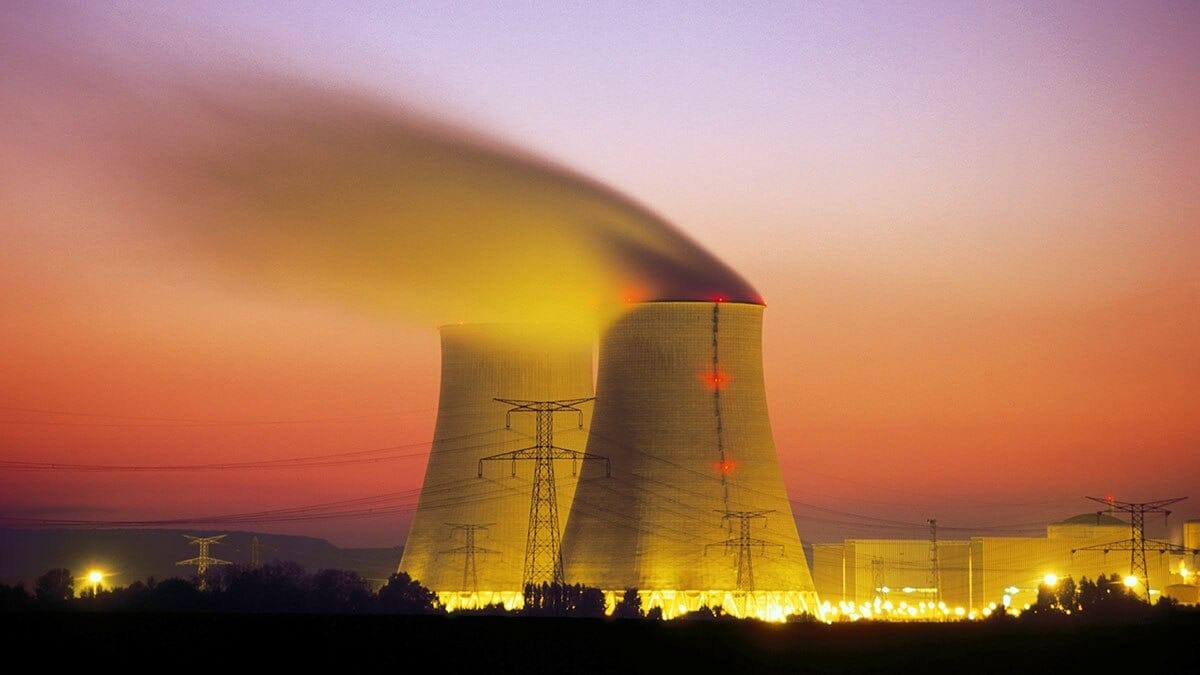
The reported Attack on Iran nuclear plant occurred in the Khondab region of central Iran, an area known for its heavy-water reactor and uranium-related facilities. These plants are crucial for nuclear development, particularly in producing materials like yellowcake uranium.
According to reports, the Attack on Iran nuclear plant was executed in two phases, suggesting a highly coordinated and strategic military operation. The first phase allegedly targeted infrastructure, while the second phase aimed to disrupt uranium processing capabilities.
This dual-phase Attack on Iran nuclear plant indicates a level of sophistication that points toward state-level involvement.
Why the Nuclear Facility Matters
The significance of the Attack on Iran nuclear plant lies in the strategic importance of the targeted site. The Khondab facility plays a key role in Iran’s nuclear program, which has been a subject of global debate for years.
Heavy-water reactors and yellowcake production units are essential components in the nuclear fuel cycle. By targeting such a facility, the Attack on Iran nuclear plant directly impacts Iran’s ability to advance its nuclear capabilities.
This is why the incident is being viewed not just as a military strike, but as a geopolitical message.
Accusations Against the US and Israel
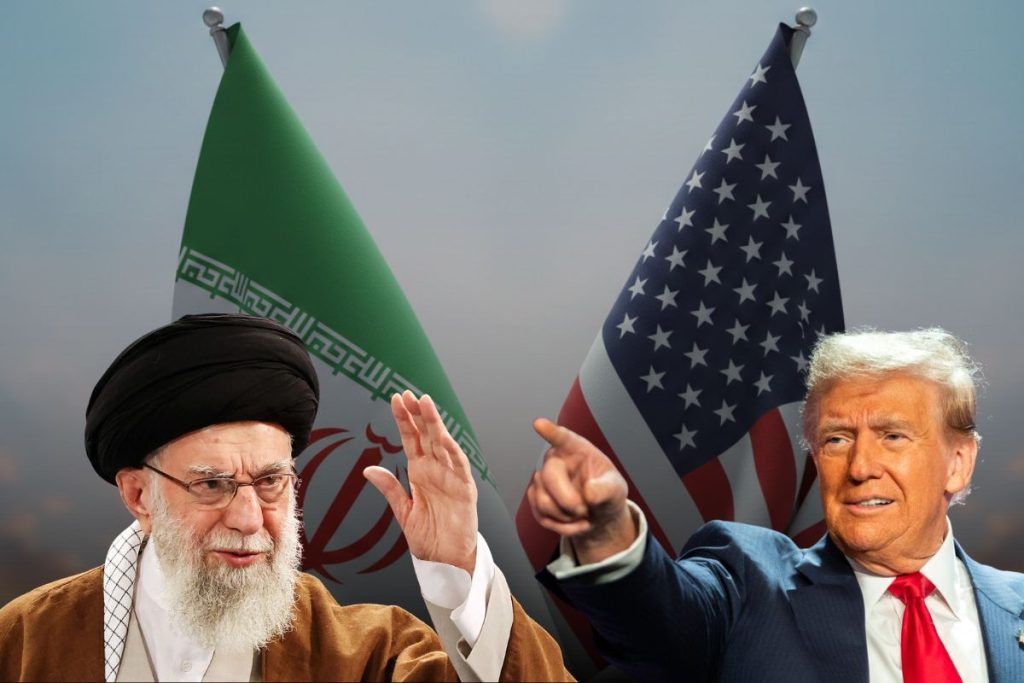
Iranian state media has strongly suggested that the Attack on Iran nuclear plant was carried out with the involvement of the United States and Israel. While no official confirmation has been provided by these nations, the allegations are consistent with past tensions.
Israel has long expressed concern over Iran’s nuclear ambitions, often stating that it would take necessary measures to prevent Iran from acquiring nuclear weapons. Similarly, the United States has imposed sanctions and maintained pressure on Iran over its nuclear program.
The current Attack on Iran nuclear plant has intensified these accusations, further straining diplomatic relations.
Rising Middle East Tensions
The Attack on Iran nuclear plant comes at a time when the Middle East is already experiencing heightened tensions. Conflicts, alliances, and rivalries are creating a fragile environment where any incident can trigger wider escalation.
This attack has added fuel to the fire, raising concerns about potential retaliation from Iran. If Iran responds militarily, it could lead to a chain reaction involving multiple countries.
The Attack on Iran nuclear plant is therefore not an isolated event—it is part of a larger geopolitical puzzle.
Global Economic Impact
One of the immediate concerns following the Attack on Iran nuclear plant is its impact on the global economy. The Middle East is a critical region for oil production and supply.
Any escalation in conflict could disrupt oil routes, especially near strategic locations like the Strait of Hormuz. This could lead to rising fuel prices worldwide.
The Attack on Iran nuclear plant has already caused fluctuations in global markets, reflecting the uncertainty surrounding the situation.
Security and Military Implications
The nature of the Attack on Iran nuclear-plant suggests advanced planning and execution. This raises questions about security vulnerabilities and intelligence operations.
If such a high-profile facility can be targeted, it indicates potential gaps in defense systems. This could prompt Iran to strengthen its security measures and reconsider its strategic approach.
The Attack on Iran nuclear plant may also lead to increased military readiness across the region.
Iran’s Possible Response
A key question following the Attack on Iran nuclear plant is how Iran will respond. Historically, Iran has shown that it does not take such incidents lightly.
Possible responses include:
- Diplomatic protests
- Cyber retaliation
- Military action through proxies
Any response to the Attack on Iran nuclear plant will have significant implications for regional stability.
International Reactions
The global community has reacted with concern to the Attack on Iran nuclear plant. Many countries are calling for restraint and urging all parties to avoid escalation.
International organizations are also monitoring the situation closely, emphasizing the need for dialogue and diplomacy.
The Attack on Iran nuclear plant has once again highlighted the importance of nuclear non-proliferation and international cooperation.
Historical Context
This is not the first time Iran’s nuclear facilities have been targeted. In the past, there have been cyberattacks and covert operations aimed at disrupting its program.
The current Attack on Iran nuclear plant fits into this pattern, but its scale and visibility make it particularly significant.
Understanding this history is crucial to analyzing the present situation.
Media Coverage and Information War
The Attack on Iran nuclear plant is also being fought in the media. Different narratives are emerging, with each side presenting its own version of events.
State media in Iran has been quick to assign blame, while Western outlets are approaching the story with caution.
This information war adds another layer of complexity to the Attack on Iran nuclear plant.
Nuclear Safety Concerns
Beyond politics and military strategy, the Attack on Iran nuclear plant raises serious safety concerns.
Damage to nuclear facilities can lead to environmental hazards, including radiation leaks. While no such incidents have been reported so far, the risk remains.
The Attack on Iran nuclear plant underscores the dangers associated with targeting nuclear infrastructure.
Diplomatic Fallout
Diplomatic relations in the region are likely to be affected by the Attack on Iran nuclear plant. Trust between nations is already fragile, and such incidents can make negotiations more difficult.
Efforts to revive nuclear agreements or reduce tensions may face new challenges.
The Attack on Iran nuclear plant could therefore have long-term diplomatic consequences.
Strategic Significance
From a strategic perspective, the Attack on Iran nuclear-plant sends a strong message. It demonstrates the capability and willingness of certain actors to intervene directly.
This could act as a deterrent, but it could also provoke further escalation.
The Attack on Iran nuclear plant is a reminder of the high stakes involved in nuclear politics.
The Role of Intelligence
The success of the Attack on Iran nuclear-plant suggests detailed intelligence gathering. Identifying targets, timing the attack, and executing it in phases require precise information.
This highlights the role of intelligence agencies in modern conflicts.
The Attack on Iran nuclear-plant may lead to increased focus on counterintelligence efforts in Iran.
Public Sentiment in Iran
Within Iran, the Attack on Iran nuclear-plant has sparked anger and concern among citizens. National pride and security are closely tied to the country’s nuclear program.
Public pressure may influence the government’s response, making the situation more unpredictable.
The Attack on Iran nuclear plant is therefore not just a political issue, but a societal one.
What Happens Next?
The aftermath of the Attack on Iran nuclear-plant will depend on several factors:
- Iran’s response
- International mediation efforts
- Actions by the accused nations
The situation remains fluid, and developments are likely in the coming days.
Conclusion
The Attack on Iran nuclear-plant represents a critical moment in global geopolitics. It has intensified tensions in the Middle East, raised concerns about nuclear safety, and sparked international debate.
As the world watches closely, the focus will be on preventing further escalation and finding a path toward stability.
In a region already marked by conflict, the Attack on Iran nuclear-plant serves as a stark reminder of how quickly situations can evolve—and how important it is to manage them carefully.
Final Thought
The repeated emergence of incidents like the Attack on Iran nuclear-plant highlights the fragile nature of global security. It underscores the need for dialogue, cooperation, and responsible decision-making.
Whether this incident leads to escalation or resolution will shape the future of the Middle East—and potentially the world.
Read More latest new

