

Nepal Has a ‘Gen Z’ Government: A New Era of Youth Leadership in South Asia
The phrase Nepal has a Gen Z government is not just a catchy headline—it reflects a deeper transformation unfolding within the nation’s political system. In a rapidly changing political landscape across South Asia, one country is making headlines for a remarkable shift in leadership. With young leaders stepping into positions of power and responsibility, Nepal is witnessing a generational transition that could redefine governance, policy priorities, and public engagement.
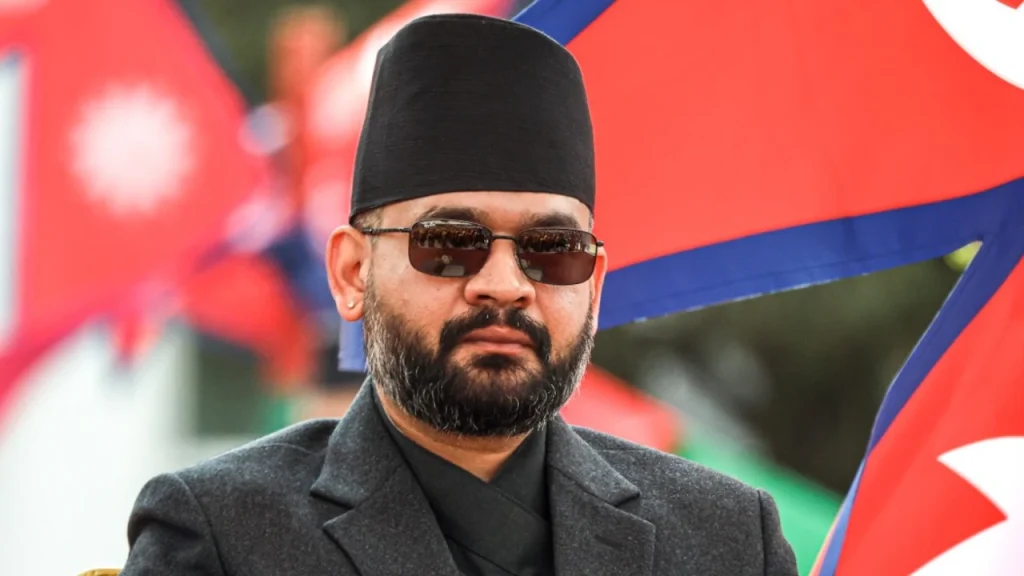
At the center of this transformation is Balen Shah, a dynamic and unconventional political figure who has inspired a wave of youth participation in governance. As Nepal experiments with this new model, observers across the region are closely watching how a younger leadership cohort navigates the complexities of politics, development, and public expectations.
The Rise of Young Leadership
For decades, Nepal’s political sphere was dominated by veteran leaders with decades of experience. However, in recent years, a noticeable change has taken place. The statement Nepal has a Gen Z government captures this shift perfectly, as younger politicians—many under the age of 40—are now occupying key roles.
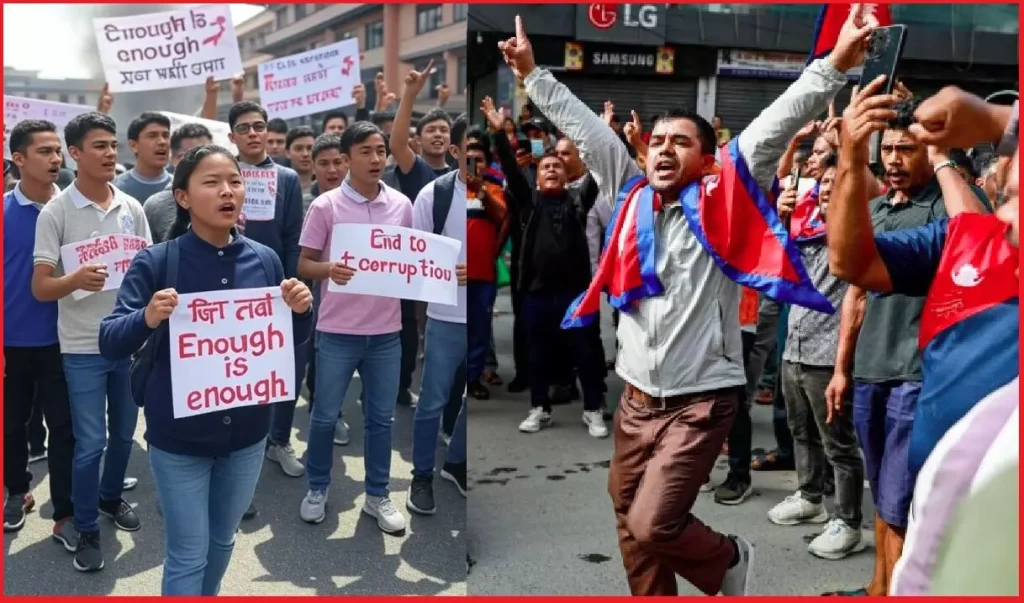
This change did not happen overnight. It is the result of growing dissatisfaction among the youth with traditional politics, coupled with a desire for transparency, innovation, and faster decision-making. The emergence of young leaders signals a break from the past and a move toward a more dynamic political culture.
Who Is Driving This Change?
One of the most prominent faces associated with this transformation is Balen Shah. Known for his background in engineering and music, Shah represents a new breed of politician—one who connects with the youth and leverages modern tools to communicate and govern.
The idea that Nepal has a Gen Z government is closely linked to leaders like him, who are redefining political norms. His approach to governance emphasizes accountability, digital engagement, and practical solutions to urban challenges.
But Shah is not alone. Across Nepal, several young ministers and political figures are stepping up, bringing fresh perspectives and energy to governance.
What Does Gen Z Government Mean?
When people say Nepal has a Gen Z government, they are referring to more than just age. It signifies a shift in mindset, priorities, and methods of governance.
Gen Z leaders are often characterized by:
- A strong focus on technology and digital governance
- Greater emphasis on transparency and accountability
- Willingness to challenge traditional hierarchies
- Direct engagement with citizens through social media
This new style of leadership is reshaping how policies are designed and implemented.
Youth Representation in Cabinet Roles
One of the most striking aspects of the current political scenario is the age profile of ministers. Many of them are under 40, which is relatively rare in South Asian politics.
This is why the statement Nepal has a Gen Z government resonates so strongly. It reflects a tangible change in who holds power and how decisions are made.
Young ministers are being entrusted with significant responsibilities, from infrastructure development to digital transformation. This trust in youth leadership is both an opportunity and a challenge.
A Shift in Political Culture
The idea that Nepal has a Gen Z government also points to a broader cultural transformation. Traditional politics in Nepal was often characterized by lengthy deliberations and slow decision-making.
In contrast, younger leaders are pushing for efficiency and results. They are more open to experimenting with new ideas and adopting global best practices.
This shift is helping to create a more responsive and citizen-centric governance model.
The Role of Technology
Technology plays a crucial role in the functioning of this new government. The claim that Nepal has a Gen Z government is closely tied to the increasing use of digital platforms in governance.
From online service delivery to real-time communication with citizens, technology is enabling faster and more transparent administration.
Young leaders are leveraging social media not just for campaigning, but also for governance—sharing updates, addressing grievances, and building trust.
Challenges Facing Young Leaders
While the idea that Nepal has a Gen Z government is exciting, it also comes with challenges.
Young leaders often face:
- Resistance from established political figures
- High public expectations
- Limited experience in handling complex bureaucratic systems
Balancing innovation with practicality is a key challenge for this new generation.
Public Expectations and Pressure
The statement Nepal has a Gen Z government has raised expectations among citizens. People expect faster results, better services, and greater transparency.
While enthusiasm for young leadership is high, it also means that any shortcomings are quickly noticed and criticized.
Managing these expectations is crucial for the long-term success of this political experiment.
Impact on Policy Making
One of the most significant implications of the fact that Nepal has a Gen Z government is its impact on policy making.
Young leaders tend to prioritize:
- Employment generation
- Education reforms
- Digital infrastructure
- Environmental sustainability
These priorities reflect the concerns of a younger population and aim to prepare the country for the future.
Regional and Global Attention
The development that Nepal has a Gen Z government has attracted attention beyond its borders. Countries across South Asia and even globally are observing this shift.
It raises important questions:
- Can youth leadership drive meaningful change?
- Will this model be replicated in other countries?
- How sustainable is this approach?
Nepal’s experience could serve as a case study for political transformation.
Breaking Traditional Barriers
Another important aspect of the statement Nepal has a Gen Z government is the breaking of traditional barriers.
Young leaders are challenging long-standing norms related to hierarchy, decision-making, and political communication.
This is helping to create a more inclusive and dynamic political environment.
The Role of Urban Governance
Urban centers, especially Kathmandu, are at the forefront of this transformation.
Cities often serve as testing grounds for new ideas, and young leaders are using them to implement innovative policies.
The fact that Nepal has a Gen Z government is particularly evident in urban governance, where changes are more visible and impactful.
A New Political Narrative
The narrative that Nepal has a Gen Z government is also shaping public discourse.
It is inspiring young people to take an interest in politics and consider leadership roles.
This shift in narrative is crucial for building a more participatory democracy.
Sustainability of the Model
While the idea that Nepal has a Gen Z government is promising, its sustainability remains a key question.
Will young leaders be able to maintain momentum?
Can they navigate political challenges effectively?
The answers to these questions will determine the long-term impact of this shift.
Lessons for Other Countries
Nepal’s experience offers valuable lessons for other nations. The fact that Nepal has a Gen Z government demonstrates that political systems can evolve and adapt.
Encouraging youth participation, embracing technology, and prioritizing transparency are lessons that can be applied elsewhere.
Conclusion: A Transformational Moment
In conclusion, the statement Nepal has a Gen Z government captures a transformative moment in the country’s political history.
It represents:
- A shift in leadership
- A change in governance style
- A new set of priorities
While challenges remain, the rise of young leaders offers hope for a more dynamic and responsive political system.
As Nepal continues on this path, the world will be watching closely. Whether this experiment succeeds or faces setbacks, one thing is certain—the era where Nepal has a Gen Z government marks a bold step into the future.
Final Reflection
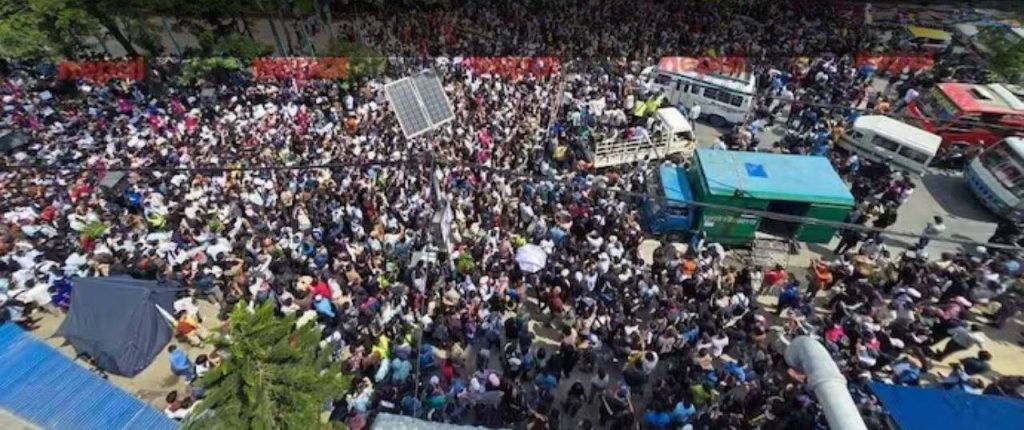
The emergence of a youth-driven leadership model is not just a political change—it is a societal shift. The repeated assertion that Nepal has a Gen Z government reflects a deeper desire for progress, innovation, and inclusivity.
If managed effectively, this could redefine not just Nepal’s future, but also inspire a new generation of leaders across the globe.
read more latest news

