
Government May Bring Relief Package to Save Exporters from ‘Trump Tariff’
Introduction
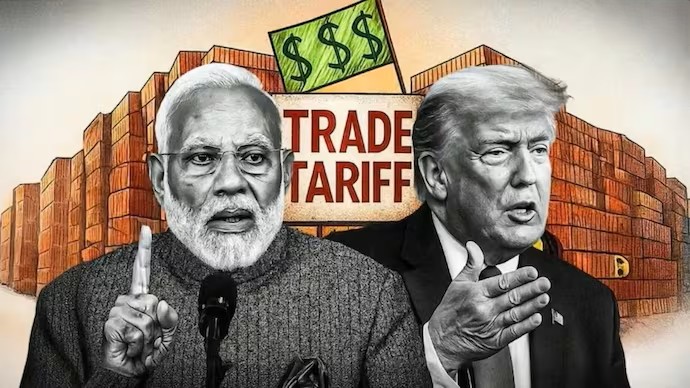
Trump Tariff Trade wars have become the defining feature of the global economy in the 21st century. At the center of these conflicts often stands the United States, whose leaders have used tariffs as a tool to protect domestic industries and pressure trading partners. Former US President Donald Trump, known for his aggressive “America First” policy, once again shook global markets with his decision to impose high tariffs—dubbed the “Trump Tariff”—on a range of imports, including goods from India.
For India, a nation that has emerged as a major player in global exports, Trump’s tariff bomb threatens to derail economic momentum. With exporters already battling global slowdown, supply chain disruptions, and rising costs, the new tariff poses serious risks.
Amid these challenges, reports suggest that the Indian government is preparing a relief package to shield exporters from the impact of the Trump Tariff. This move could provide much-needed breathing space to industries ranging from textiles and leather to pharmaceuticals and IT services.
This blog explores the background of Trump’s tariff policy, its impact on Indian exporters, the contours of a possible relief package, and the broader implications for India’s trade policy and global diplomacy.
The ‘Trump Tariff’: What Happened?
Donald Trump has long positioned himself as a crusader against what he calls “unfair trade practices.” His presidency from 2016 to 2020 saw waves of tariffs against China, the European Union, Mexico, and India. Even after leaving office, his influence on US trade politics remains strong.
Recently, Trump’s renewed tariff announcement—reportedly as high as 25% to 50% on certain imports—has been framed as a way to boost American manufacturing and reduce dependence on foreign goods. India, with its rapidly growing export base, has found itself caught in the crosshairs.
Goods most affected by the tariff include:
- Textiles and apparel
- Pharmaceutical intermediates
- Auto parts
- IT hardware
- Leather products
- Agricultural exports like rice and spices
For Indian exporters, this tariff threatens not just margins but also market share in the lucrative US market.
Why Indian Exporters Are Worried
1. Heavy Dependence on US Market
The US is India’s largest trading partner, accounting for nearly 18% of total exports. A tariff hike directly hits revenue streams for countless Indian firms, especially SMEs (Small and Medium Enterprises).
2. Price Competitiveness Lost
With tariffs in place, Indian products automatically become more expensive in the US. This allows competitors—such as Vietnam, Bangladesh, and Mexico—to grab market share.
3. Ripple Effect on Jobs
Export-driven sectors like textiles and leather employ millions, especially in states like Uttar Pradesh, Tamil Nadu, and Gujarat. A slowdown in exports could mean large-scale layoffs.
4. Weakening Rupee, Rising Costs
Indian exporters are already grappling with a weaker rupee and high input costs. Tariffs add another layer of pressure, making profitability a challenge.
Government’s Possible Relief Package
Recognizing the gravity of the situation, the Indian government is reportedly drafting a comprehensive relief package. While official details are awaited, insiders suggest the package may include:
- Subsidized Export Credit
- Low-interest loans for exporters to manage working capital.
- Expansion of the Export Credit Guarantee Corporation (ECGC) coverage.
- Rebates and Tax Relief
- Increased duty drawback rates.
- Enhanced rebates under the RoDTEP (Remission of Duties and Taxes on Export Products) scheme.
- Support for MSMEs
- Direct financial assistance for small exporters hit hardest.
- Subsidies for technological upgradation to make products more competitive.
- Market Diversification Assistance
- Incentives to explore alternative markets in Europe, Africa, and Latin America.
- Strengthened Free Trade Agreements (FTAs) with partner nations.
- Logistics and Infrastructure Boost
- Faster customs clearances.
- Reduced port charges and freight subsidies.
Economic Rationale Behind the Package
Critics argue that relief packages burden taxpayers, but in this case, the rationale is strong:
- Protecting Jobs: Export sectors employ millions directly and indirectly. Safeguarding them ensures economic stability.
- Preventing Trade Deficit Spike: If exports decline sharply, India’s trade deficit will widen, weakening the rupee further.
- Maintaining Global Competitiveness: Short-term support allows exporters to adjust, innovate, and find new markets.
- Political Considerations: With upcoming elections, the government cannot afford widespread discontent among exporters and workers.
Lessons from the Past: Trump’s First Tariff War
This is not India’s first brush with Trump tariffs. In 2018–19, the US ended India’s GSP (Generalized System of Preferences) status, impacting $6 billion worth of exports. India responded with counter-tariffs and policy adjustments.
Eventually, both countries moved toward dialogue, though tensions never fully disappeared. The lesson: India must prepare for long-term unpredictability in US trade policy.
Voices from the Ground: Exporters Speak Out
- Textile Exporter, Tiruppur (Tamil Nadu): “We were already struggling with high cotton prices. Now, with tariffs, our American buyers are reconsidering contracts.”
- Pharmaceutical Firm, Hyderabad: “Margins in generics are razor-thin. Even a small tariff makes us uncompetitive against China.”
- Leather Goods Manufacturer, Kanpur: “Our workers depend on US orders. If tariffs stay, layoffs will be inevitable.”
Such voices underline the urgency of government intervention.
Political Reactions in India
The tariff shock has triggered sharp political debates.
- Ruling BJP: Defended the government’s proactive stance, promising a strong relief package and diplomatic pushback.
- Congress and Opposition Parties: Accused the government of failing to anticipate Trump’s move and not diversifying markets enough.
- Regional Leaders: States with export hubs, like Tamil Nadu and Gujarat, demanded special financial support.
The consensus, however, is clear: exporters need urgent relief.

Diplomacy at Play
Beyond economics, this issue is deeply political. India has consistently sought to deepen its partnership with the US, especially in defense and technology. However, trade friction remains the weakest link.
The Modi government is likely to adopt a dual strategy:
- Immediate Relief at home through subsidies and credit support.
- Diplomatic Engagement with the US to negotiate tariff rollbacks or sectoral exemptions.
Already, reports suggest that India’s Ministry of Commerce is preparing a delegation to Washington for talks.
Global Reactions and Comparisons
India is not alone in facing Trump’s tariffs. Nations like China, Mexico, and the EU have all been targeted at various times. However, India’s case is unique because:
- India is a growing strategic ally of the US.
- The Indian diaspora in America has political influence.
- India’s exports are critical for its domestic employment.
Comparisons with China also highlight India’s relatively limited bargaining power, making relief packages all the more important.
Public Sentiment in India
Social media has been buzzing with reactions to the Trump tariff. While some users criticized the US for being “unfair to allies,” others demanded the Indian government hit back with countermeasures.
Trending hashtags include #TrumpTariff, #SaveIndianExporters, and #IndiaStrong. Many netizens also urged diversification of export markets, calling it a wake-up call for Indian policymakers.
Broader Implications for India’s Trade Policy
The Trump tariff episode has forced India to rethink its trade strategies:
- Market Diversification: Too much dependence on the US makes India vulnerable.
- Strengthening Regional Trade: Pacts with ASEAN, Africa, and Latin America must be prioritized.
- Boosting Domestic Competitiveness: Long-term reforms in logistics, infrastructure, and technology are essential.
- Strategic Autonomy: India must balance relations with the US while safeguarding national economic interests.
Challenges in Implementing the Relief Package
While the intent is clear, implementation will not be easy:
- Budgetary Constraints: With multiple welfare schemes already in play, fiscal space is tight.
- Targeting Assistance: Ensuring that relief reaches the most affected exporters and not just big firms.
- Avoiding WTO Violations: Subsidy structures must comply with global trade rules.
- Corruption Risks: Transparent and digital disbursement systems are essential.
Looking Ahead: The Road to Resilience
The Trump tariff crisis is a reminder of global economic volatility. India must build resilience by:
- Investing in value-added exports rather than raw goods.
- Strengthening manufacturing under ‘Make in India’.
- Creating an Exporters’ Safety Net Fund for future shocks.
- Building global alliances to resist unilateral tariff regimes.
Conclusion
Donald Trump’s tariffs may have shaken Indian exporters, but they also present an opportunity for introspection and reform. By preparing a relief package, the Indian government is signaling its commitment to protecting exporters and jobs.
This policy is not just about short-term relief—it is about reinforcing India’s image as a resilient, responsive economy. Exporters, workers, and policymakers must now work together to turn this crisis into an opportunity for diversification, innovation, and strength.
In the long run, the real solution lies not in relief packages alone, but in making Indian exports globally competitive and less dependent on one market. Until then, government support remains the lifeline.
Read More latest news

