

China Launches Major Military Exercise Around Taiwan After US $11.1 Billion Arms Deal: A Full Geopolitical Update.
China Launches Major Military Exercise Around Taiwan, The already fragile balance in the Taiwan Strait has entered a new phase of tension after the United States approved a massive US $11.1 billion arms package to Taiwan. In response, China launched a military exercise involving live-fire drills, missile launches, and large-scale naval and air force movements around Taiwan. This escalation has intensified fears of a potential conflict between China and Taiwan, with global implications.
The People’s Liberation Army (PLA) has described the military exercise as a “necessary countermeasure” to what Beijing calls external interference and separatist tendencies within Taiwan. Meanwhile, Washington insists the arms deal is defensive in nature and essential to maintaining peace and stability in the Indo-Pacific region.
This blog provides a detailed geopolitical update, analyzing the reasons behind the military exercise, its military dimensions, regional consequences, and what it means for global security.
Background: Why the US Approved the $11.1 Billion Arms Package
The US arms package to Taiwan includes advanced missile systems, air defense equipment, radar technology, and logistical support designed to strengthen Taiwan’s self-defense capabilities. According to US officials, the deal aligns with the Taiwan Relations Act, which commits Washington to helping Taiwan maintain sufficient defensive capacity.
China, however, views the arms package as a violation of its sovereignty. Beijing considers Taiwan a breakaway province and has repeatedly warned against foreign military support to the island. The announcement of the deal was quickly followed by the PLA announcing a military exercise around Taiwan, signaling China’s strong opposition.
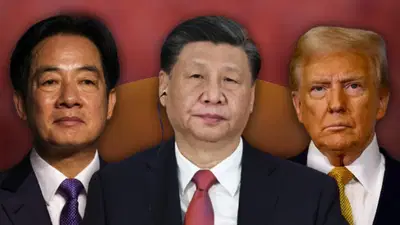
China’s Immediate Response: Launch of a Major Military Exercise
Within days of the arms deal announcement, China initiated a major military exercise involving multiple branches of the PLA. The drills included:
- Live-fire artillery exercises
- Missile launch simulations
- Naval blockades and amphibious assault rehearsals
- Fighter jet and bomber patrols crossing the median line
Chinese state media emphasized that the military exercise was aimed at testing combat readiness and sending a warning to “separatist forces” and their supporters.
The scale and intensity of this major military exercise were significantly larger than previous drills, raising alarms across the region.
Strategic Objectives Behind the Major Military Exercise
Military analysts believe the major military exercise serves multiple strategic purposes for China:
- Deterrence: To discourage Taiwan from pursuing independence
- Message to the US: To warn Washington against further military involvement
- Domestic Signaling: To show strength to the Chinese public
- Operational Readiness: To test joint operations and command coordination
By conducting a major military exercise so close to Taiwan, China aims to normalize high-pressure military activities in the region.
Taiwan Reaction to the Escalation
Taiwan’s Ministry of National Defense closely monitored the military exercise, scrambling fighter jets and deploying naval assets to ensure territorial security. Taiwanese officials condemned China’s actions as destabilizing and accused Beijing of using military intimidation to undermine regional peace.
Despite the aggressive nature of the military exercise, Taiwan refrained from provocative actions, choosing instead to rely on diplomatic channels and international support.
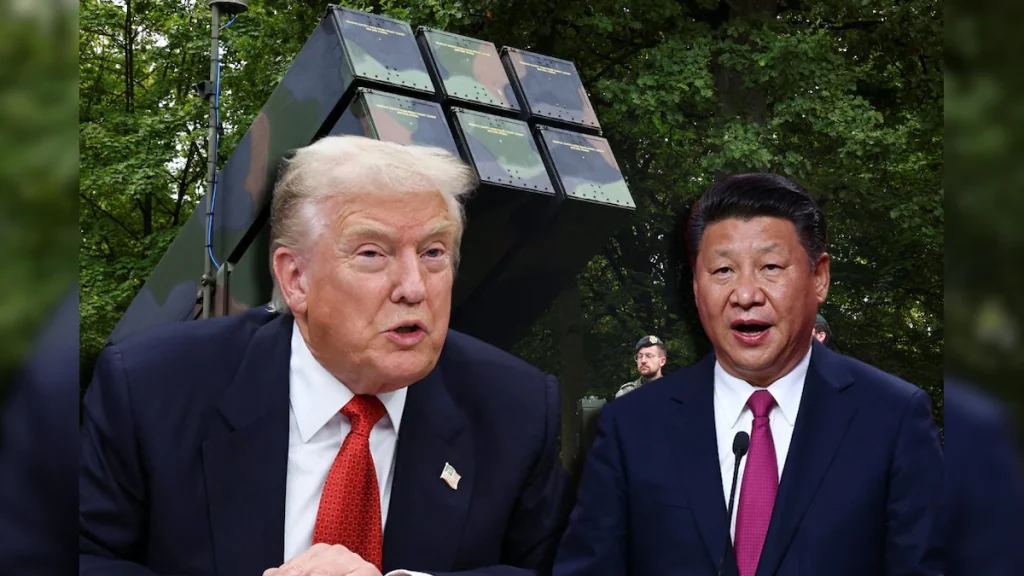
Role of the People’s Liberation Army (PLA)
The PLA played a central role in executing the military exercise, showcasing its growing capabilities. The drills demonstrated improved coordination between:
- The PLA Navy
- The PLA Air Force
- The Rocket Force
- Strategic Support Units
China’s ability to conduct a complex military exercise highlights the rapid modernization of its armed forces and its preparedness for potential contingencies involving Taiwan.
Impact on China Taiwan Relations
Relations between China and Taiwan were already strained, but the major military exercise has pushed tensions to new highs. Cross-strait dialogue remains frozen, and trust between the two sides is at a historic low.
Taiwanese political leaders argue that the major military exercise proves China’s unwillingness to resolve disputes peacefully, while Beijing insists that its actions are purely defensive.
United States Response to the Military Drills
The US criticized the military exercise, calling it an unnecessary escalation that threatens regional stability. American naval vessels continued freedom-of-navigation operations in nearby waters, reinforcing Washington’s commitment to the Indo-Pacific.
US officials reiterated that the arms deal was not intended to provoke China but to deter aggression. However, the military exercise has complicated diplomatic efforts and increased the risk of miscalculation.
Regional Reactions: Japan, South Korea, and ASEAN
China’s major military exercise has also alarmed neighboring countries:
- Japan raised concerns about missile trajectories landing near its exclusive economic zone
- South Korea called for restraint from all sides
- ASEAN nations urged dialogue and de-escalation
The major military exercise has reinforced fears that any conflict in the Taiwan Strait would have widespread regional consequences.
Economic Implications of Rising Tensions
Taiwan is a critical hub for global semiconductor production. The military exercise disrupted shipping routes and raised insurance costs for commercial vessels passing through the Taiwan Strait.
Markets reacted nervously, with investors closely watching how long the major military exercise would continue and whether it could escalate into a real conflict.
Military Signaling and Psychological Pressure
Beyond physical drills, the major military exercise also serves as psychological warfare. Constant PLA aircraft incursions and naval patrols are designed to exhaust Taiwan’s defenses and test response times.
Experts argue that the major military exercise is part of a broader “gray-zone” strategy, falling short of war but applying sustained pressure.
International Law and Sovereignty Debate
China maintains that the major military exercise is conducted within its sovereign territory, while Taiwan and its allies dispute this claim. The legal ambiguity surrounding Taiwan’s status complicates international responses.
The major military exercise has reignited debates at the United Nations about sovereignty, self-determination, and the use of force.

Historical Context: Lessons From Past Crises
The Taiwan Strait has witnessed crises before, but the current major military exercise is unprecedented in scale and sophistication. Compared to earlier standoffs, today’s drills involve more advanced weapons and tighter coordination.
This evolution suggests that future major military exercise scenarios could become even more complex and dangerous.
Media and Information Warfare
Chinese state media portrayed the major military exercise as a justified response to provocation, while Taiwanese and Western media highlighted the risks of escalation.
Social media platforms became battlegrounds for competing narratives, with the major military exercise dominating global headlines.
Risk of Accidental Conflict
One of the biggest dangers of a prolonged major military exercise is the possibility of accidents. Close encounters between aircraft and ships increase the risk of miscalculations that could spiral into conflict.
Military experts warn that without effective communication channels, the major military exercise could unintentionally trigger a crisis.
Diplomatic Efforts to Reduce Tensions
Despite the aggressive tone of the major military exercise, diplomatic efforts continue behind the scenes. Several countries have offered to mediate, emphasizing the need for restraint.
However, as long as the major military exercise continues, meaningful dialogue remains difficult.
Long-Term Strategic Implications
The major military exercise signals a shift in China’s approach toward Taiwan, moving from symbolic demonstrations to sustained operational pressure. This change could redefine security dynamics in East Asia.
For the US and its allies, the major military exercise underscores the urgency of strengthening regional partnerships.
What This Means for Global Security
The Taiwan Strait is one of the world’s most strategically important waterways. Any conflict triggered by a major military exercise would disrupt global trade, supply chains, and geopolitical stability.
The situation highlights how regional disputes can quickly escalate into global crises.
Conclusion: A Dangerous Moment in the Taiwan Strait
The US $11.1 billion arms package to Taiwan has triggered a powerful response from China in the form of a major military exercise that has intensified China–Taiwan tensions. With live-fire drills, missile tests, and naval maneuvers, the PLA has demonstrated its readiness and resolve.
At the same time, the major military exercise has raised serious concerns about regional stability and the risk of conflict. As all sides navigate this dangerous moment, diplomacy, restraint, and clear communication will be essential to prevent escalation.
The world is watching closely, knowing that the outcome of this standoff could shape the future of the Indo-Pacific and global security for years to come.
Read More Latest news

