
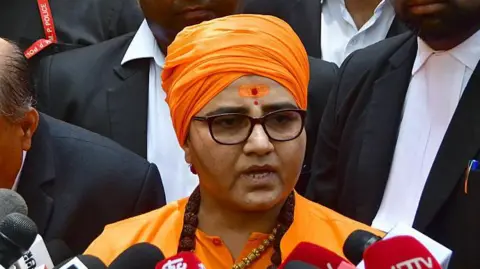
After Acquittal in Malegaon Blast Case, Sadhvi Pragya Singh Thakur Levels Explosive Allegations Against Investigating Officers
Introduction
Sadhvi Pragya Singh Thakur The Malegaon blast case, one of India’s most politically and communally sensitive terror cases, took a dramatic turn following the acquittal of BJP MP Sadhvi Pragya Singh Thakur. A prominent face of Hindutva politics and a controversial figure since her arrest in 2008, Sadhvi Pragya has now come forward with explosive claims against the officers who investigated the case.
In a fiery public statement, she accused former ATS and NIA officers of “fabricating evidence,” “physically torturing” her, and “conspiring under political pressure” to frame her in the Malegaon terror conspiracy. These allegations have reignited debates around “Hindutva terror,” state machinery accountability, the misuse of anti-terror laws, and the politicization of investigative agencies.
This blog delves into the Malegaon blast case background, the political and judicial journey of Sadhvi Pragya, the details of her recent allegations, the response from agencies and political circles, and the broader implications of this unprecedented development.
1. The Malegaon Blast Case: A Quick Recap
On September 29, 2008, a powerful bomb exploded near Bhikku Chowk in Malegaon, a communally sensitive town in Maharashtra, killing six people and injuring over 100 others. The use of a two-wheeler as the explosive carrier initially led investigators to believe it was the work of Islamist terror groups.
However, a shocking twist came when the Maharashtra Anti-Terrorism Squad (ATS) arrested Sadhvi Pragya Singh Thakur, a Hindu ascetic associated with right-wing groups, along with Lt. Col. Prasad Purohit and others. It was among the first cases to be labeled as “Hindu terror” or “Saffron terror” by sections of the media and political class.
2. Sadhvi Pragya’s Arrest and Incarceration
Sadhvi Pragya was arrested in October 2008 and charged under several sections of the Unlawful Activities (Prevention) Act (UAPA), Indian Penal Code (IPC), and the Arms Act. She remained in jail for nearly nine years, during which she consistently claimed innocence and alleged custodial abuse.
Her case became a flashpoint in national politics. While the UPA government backed the ATS’s investigations, the NDA and BJP leaders termed it a “conspiracy to malign Hindu organizations.” In 2017, she was granted bail by the Bombay High Court on medical grounds.
3. Acquittal and the Fallout
In 2025, the NIA court in Mumbai acquitted Sadhvi Pragya Singh Thakur, citing “lack of admissible evidence” and inconsistencies in witness testimonies. The verdict was hailed by the BJP and Hindutva groups as a “historic correction,” while human rights groups expressed concern over the collapse of terror cases due to “political influence and witness intimidation.”
4. The Allegations Post-Acquittal: A Political Earthquake
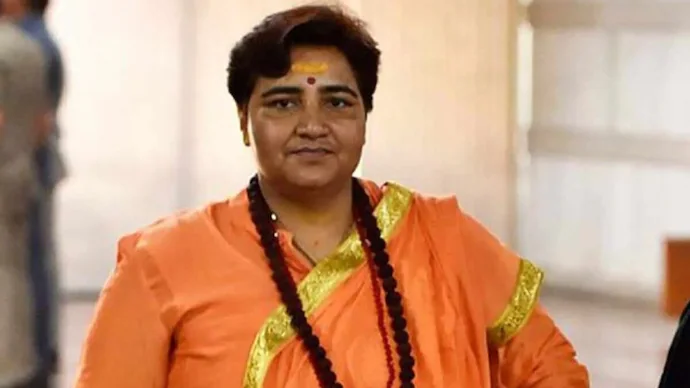
After the court verdict, Sadhvi Pragya held a press conference and gave interviews in which she named specific officers, including former ATS Chief Hemant Karkare and other senior NIA officials.
She accused them of the following:
- Torture in custody: She claimed she was beaten, deprived of food, forced to stand for hours, and subjected to degrading behavior.
- Fabricated evidence: She alleged that her motorcycle, which was used in the blast, had been stolen months earlier and she had no control over it.
- Political pressure: According to her, the probe was directed by the UPA government to create the narrative of “Hindu terror.”
- Misuse of law: She said draconian provisions of UAPA were invoked without proper investigation.
Her allegations were not just emotional — she demanded a judicial inquiry into the conduct of ATS and NIA officers, claiming that if India was a true democracy, such a miscarriage of justice should not go unpunished.
5. Naming Hemant Karkare: Revival of Old Controversy
Sadhvi Pragya reignited an earlier controversy by again targeting Hemant Karkare, the former ATS Chief who was martyred during the 26/11 Mumbai terror attacks.
“He died not because of terrorists. He died because he harassed a saint. It was his karma,” she had said in 2019 during the Lok Sabha campaign — a remark that caused nationwide outrage.
Now, after her acquittal, she reiterated her stand: “He was part of a larger conspiracy against Sanatan Dharma.”
This has sharply polarized public opinion. While some BJP supporters hailed her for speaking the “truth”, others, including families of 26/11 victims and police unions, condemned her statements as “insensitive” and “blasphemous against a martyr.”
6. Legal Experts React: Can Officers Be Investigated Now?
Legal minds are split on whether these allegations, coming after the acquittal, warrant a fresh probe. According to constitutional expert Indira Jaising:
“An acquittal does not automatically imply a conspiracy by investigators. The burden of proof now lies on Sadhvi Pragya to present evidence of custodial abuse.”
Others argue that since her case involved extraordinary delay and prolonged incarceration, there should be a Truth and Reconciliation Commission to examine politically influenced cases from the past.
7. NIA and ATS Respond: “We Stand by Our Investigation”
Both the National Investigation Agency (NIA) and the Maharashtra ATS issued brief statements defending their actions. A retired ATS officer said:
“We operated under immense pressure, but followed every legal procedure. There was no vendetta.”
However, neither agency directly addressed the specific allegations raised by Sadhvi Pragya. The NIA has maintained that some key witnesses turned hostile, and that hampered their case.
8. Political Reactions: BJP Defends, Opposition Divided
The ruling BJP has rallied behind Sadhvi Pragya, calling her acquittal a “victory of truth over conspiracy.” Home Minister Amit Shah remarked that “innocent people were deliberately framed to further a fake narrative of Hindu terror.”
Opposition parties have responded in a mixed manner:
- Congress urged caution, saying the judiciary had spoken but the public must not forget the blast’s victims.
- Shiv Sena (UBT) and TMC demanded that the government should not allow the defaming of martyred officers.
- AIMIM’s Asaduddin Owaisi said, “Acquittal does not mean innocence. Justice must be for the victims, not just the accused.”
9. Victims’ Families Speak Out
The families of the Malegaon blast victims expressed dismay at the political nature of the aftermath. In a moving statement, a father who lost his teenage son said:
“We wanted justice, not a political circus. The accused are free, but we lost our children forever.”
The polarizing media coverage and political grandstanding have left them disillusioned about India’s justice system.
10. Media and Social Media: A War of Narratives
The acquittal and Sadhvi Pragya’s accusations have set off a media firestorm:
- Right-leaning media outlets ran prime-time specials with titles like “Innocent Sadhvi vs Corrupt System.”
- Left-leaning commentators called it the death of secular justice, highlighting how many terror cases collapse when the accused are from the majority community.
- On X (formerly Twitter), hashtags like #SadhviPragya, #MalegaonBlast, #HinduTerror, and #JusticeForVictims trended for days.
Social media, predictably, mirrored India’s political divide.
11. The Role of UAPA and Draconian Laws
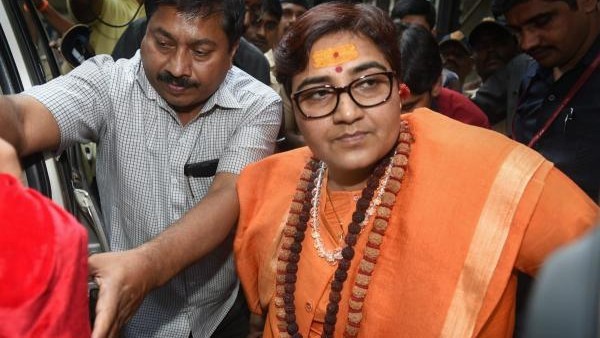
Sadhvi Pragya’s case has once again raised serious concerns about the Unlawful Activities (Prevention) Act, under which thousands of Indians — including students, activists, and minorities — remain imprisoned without trial.
Her acquittal, after over 15 years, has spotlighted:
- The misuse of UAPA
- Lack of accountability for wrongful arrest and prolonged detention
- No compensation or apology from the state
12. Implications for Indian Democracy and Judiciary
The Malegaon blast case, Sadhvi Pragya’s arrest, and now her post-acquittal allegations represent a microcosm of larger issues:
- The erosion of institutional trust
- Communal polarization in investigative processes
- Politicians using court verdicts as tools of vindication or victimization
For a healthy democracy, it is imperative that investigative agencies remain independent, and that truth is not sacrificed at the altar of political expediency.
Conclusion: A Case That Refuses to Fade
Even after more than 15 years, the Malegaon blast case continues to haunt India’s justice system, communal harmony, and political discourse. Sadhvi Pragya Singh Thakur’s explosive allegations — whether they are validated or not — have ensured that this case remains alive in the public conscience.
As India debates whether she was a victim of a political conspiracy or a beneficiary of it, the real test lies in whether the institutions of law, order, and justice can rebuild the credibility they have lost in the eyes of the common citizen.
read more latest news


https://shorturl.fm/jlbe1