
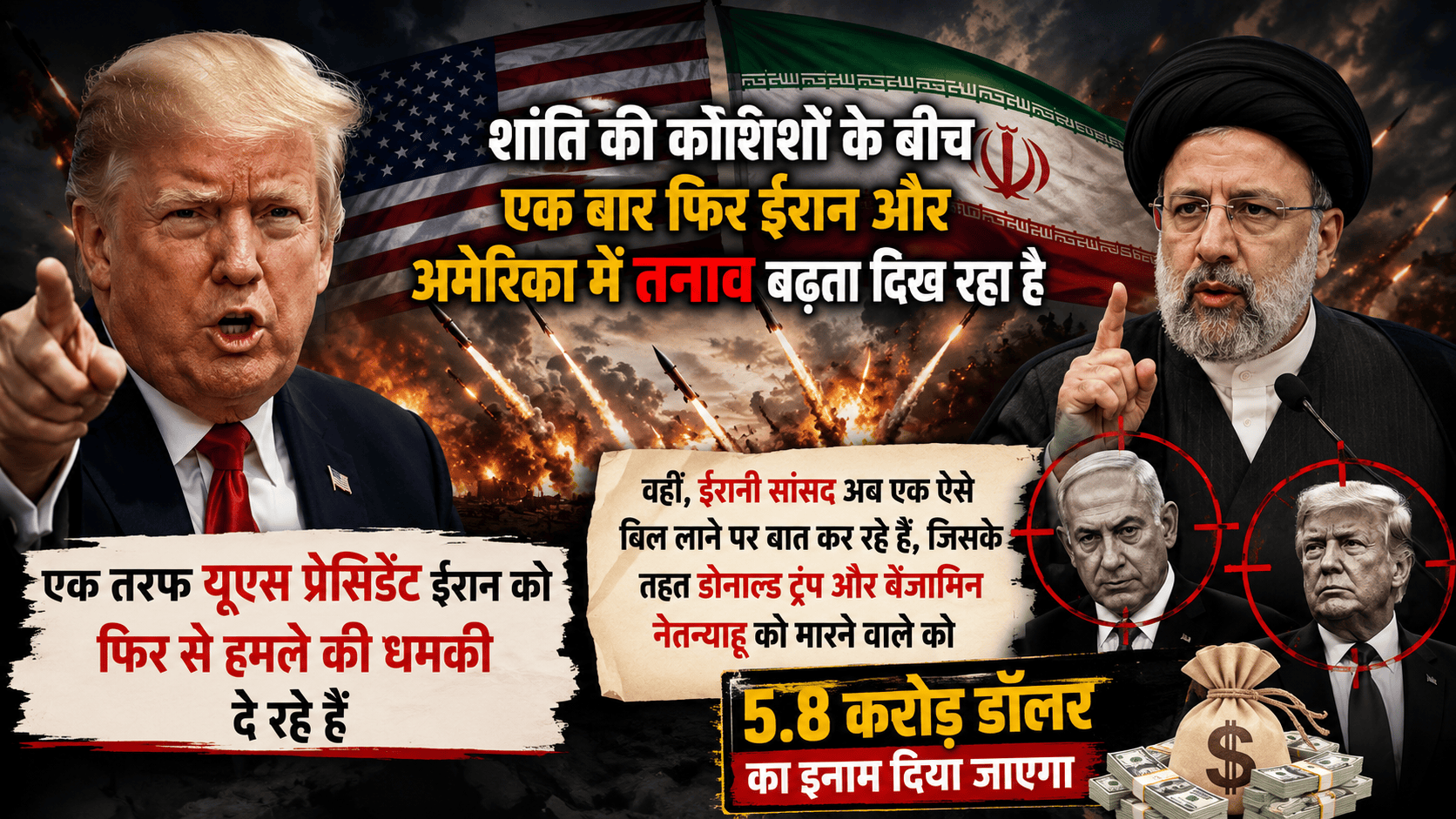
Tensions Between Iran and the US Escalate Again Amid Threats, Retaliation Warnings, and Global Concern.
The geopolitical situation in the Middle East is once again becoming increasingly dangerous as Tensions between Iran and the US continue to intensify. Fresh warnings from the United States, strong rhetoric from Iran, and shocking reports of a proposed bounty targeting former US President Donald Trump and Israeli Prime Minister Benjamin Netanyahu have pushed the region closer to another major confrontation.
According to recent reports, Iranian lawmakers are discussing a controversial bill that would reportedly offer nearly $58 million to anyone who assassinates Donald Trump and Benjamin Netanyahu. At the same time, Trump has warned that the United States could launch another strike against Iran if negotiations fail.
The developments have alarmed governments, analysts, and international observers worldwide. Many fear that Tensions between Iran and the US could spiral into a larger military conflict with devastating consequences for the Middle East and the global economy.
The Latest Flashpoint in US-Iran Relations
For decades, relations between the United States and Iran have remained deeply hostile. However, recent events suggest that Tensions between Iran and the US have entered one of their most volatile phases in years.
Reports indicate that Iranian parliamentarians are preparing legislation titled “Reciprocal Action by Military and Security Forces of the Islamic Republic,” which allegedly includes a €50 million reward for anyone responsible for killing Donald Trump and Benjamin Netanyahu.
Iranian officials reportedly blame Trump and Netanyahu for military actions conducted earlier this year that targeted senior Iranian leadership. The proposal has drawn sharp criticism internationally and further increased fears of retaliation and escalation.
At the same time, Trump recently declared that the United States could resume military strikes on Iran if diplomatic talks collapse.
These developments clearly demonstrate how rapidly Tensions between Iran and the US are worsening.
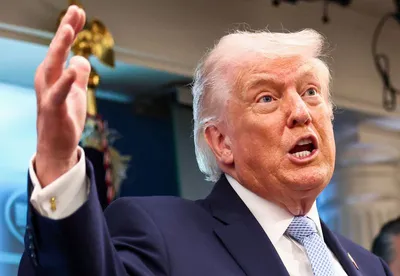
Donald Trump Warning to Iran
Former US President Donald Trump has adopted an aggressive stance toward Iran in recent statements. Trump reportedly said that military action remains possible and warned of a “big hit” if Tehran fails to cooperate in negotiations.
According to reports, Trump revealed that the United States had been very close to launching another military operation against Iran before temporarily stepping back due to diplomatic discussions.
These remarks have added fuel to already growing fears that Tensions between Iran and the US may soon move beyond political threats into direct confrontation.
Trump’s supporters argue that strong military pressure is necessary to prevent Iran from advancing its nuclear ambitions and regional influence. Critics, however, warn that another war in the Middle East could destabilize the entire region.
Iran’s Angry Response
Iranian leaders and lawmakers have responded with intense anger. Reports suggest that several officials are openly calling for retaliation against American and Israeli leaders.
The proposed bounty legislation has shocked much of the international community. Although it remains unclear whether such a bill will actually become law, the discussions themselves show how severe Tensions between Iran and the US have become.
Iranian lawmakers reportedly view recent US-Israeli military operations as acts of aggression requiring “reciprocal action.” Iranian political rhetoric has grown increasingly hostile, with hardline factions demanding stronger responses against Washington and Tel Aviv.
The Iranian government also continues to accuse the United States of interfering in regional affairs and attempting to weaken Iran’s sovereignty.
The Netanyahu Factor
Israeli Prime Minister Benjamin Netanyahu plays a central role in the growing crisis. Israel has long viewed Iran as its biggest security threat, especially regarding Tehran’s nuclear program and support for armed groups in the region.
Several reports claim Netanyahu has strongly supported military pressure on Iran and advocated for tougher action.
As a result, Tensions between Iran and the US are now closely linked to the broader Iran-Israel conflict. Analysts warn that any direct confrontation involving Israel could rapidly pull the United States deeper into regional warfare.
Iranian hardliners accuse Netanyahu of pushing Washington toward military escalation, while Israeli officials insist that Iran remains a major threat to regional stability.
Global Oil Markets React
One of the biggest concerns surrounding Tensions between Iran and the US is the impact on global oil markets.
Oil prices have already shown signs of volatility following Trump’s comments about potential strikes against Iran.
Iran occupies a strategically critical position near the Strait of Hormuz, one of the world’s most important oil shipping routes. Any military conflict in the region could disrupt energy supplies and send global oil prices sharply higher.
Economists warn that rising oil prices could increase inflation worldwide, hurt global trade, and create economic uncertainty for both developed and developing nations.
Countries heavily dependent on imported oil, including India, would likely face serious economic consequences if Tensions between Iran and the US continue escalating.
International Community Calls for Restraint
Several countries and international organizations are urging both sides to avoid further escalation. Diplomats fear that the Middle East cannot afford another large-scale conflict.
Pakistan, Gulf nations, and European countries are reportedly attempting to mediate between Washington and Tehran.
The United Nations has repeatedly emphasized the importance of dialogue and diplomacy. However, the harsh rhetoric coming from both sides suggests that negotiations remain extremely fragile.
The international community understands that Tensions between Iran and the US have implications far beyond the Middle East. A wider conflict could affect global security, trade routes, refugee flows, and financial markets.
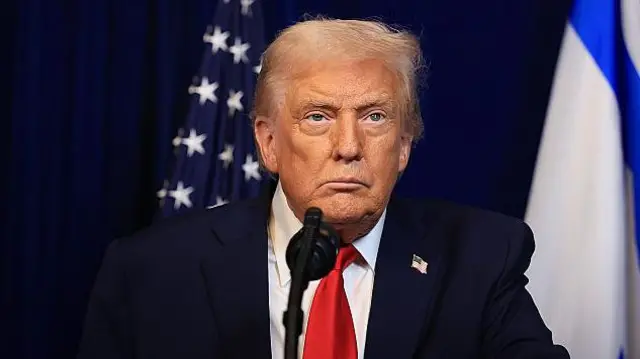
The Nuclear Issue Remains Central
Iran’s nuclear program continues to be one of the primary reasons behind Tensions between Iran and the US.
The United States and Israel accuse Iran of pursuing nuclear weapons capabilities, while Tehran insists its nuclear activities are intended for peaceful purposes.
Trump has repeatedly stated that Iran must never be allowed to obtain nuclear weapons. His administration has supported sanctions, military pressure, and strict monitoring measures.
Iran, meanwhile, argues that Western powers are unfairly targeting the country and violating its rights under international agreements.
The collapse of trust between both nations has made diplomatic progress extremely difficult.
Fear of Regional War
Military experts warn that if Tensions between Iran and the US continue rising, the conflict could spread across the Middle East.
Iran has strong relationships with armed groups and allied organizations in countries such as Lebanon, Syria, Iraq, and Yemen. Any direct attack on Iran could trigger retaliatory actions across multiple fronts.
The United States also maintains military bases and alliances throughout the region, increasing the risk of broader military involvement.
A regional war could lead to massive civilian casualties, economic destruction, and long-term instability.
Social Media and Public Reaction
Social media platforms have exploded with discussions about Tensions between Iran and the US. The alleged bounty proposal, Trump’s warnings, and fears of another war have dominated global headlines.
Some users support stronger military action against Iran, arguing that Tehran poses a threat to international security. Others believe diplomacy is the only way to avoid catastrophic conflict.
The reports regarding assassination bounties have especially shocked audiences worldwide. Many analysts warn that such rhetoric could encourage extremism and further destabilize already fragile diplomatic relations.
Public opinion remains sharply divided depending on political views, national interests, and perceptions of Middle Eastern geopolitics.
US Domestic Political Pressure
The issue is also becoming politically significant inside the United States.
Some American lawmakers are questioning whether military action against Iran should require congressional approval. Reports indicate that the US Senate recently advanced a war powers resolution aimed at limiting unilateral military action.
Critics argue that another Middle Eastern conflict could become financially and politically costly for Washington. Supporters of aggressive policies, however, believe strong action is necessary to deter Iran.
As election politics intensify, Tensions between Iran and the US may increasingly influence domestic debates about foreign policy and national security.
Impact on Ordinary Citizens
Although geopolitical conflicts are often discussed at the government level, ordinary people ultimately suffer the consequences.
If Tensions between Iran and the US continue escalating, citizens across the Middle East could face rising insecurity, economic hardship, and humanitarian crises.
Higher oil prices may increase fuel costs, transportation expenses, and inflation globally. Businesses, workers, and families worldwide could feel the economic impact of prolonged instability.
People living in conflict-prone regions would face the greatest risks, including displacement, violence, and infrastructure destruction.
Diplomatic Solutions Still Possible
Despite the hostile rhetoric, many experts believe diplomacy remains possible.
Negotiations over sanctions, nuclear restrictions, military de-escalation, and regional security arrangements could still reduce Tensions between Iran and the US.
However, successful diplomacy would require compromise, trust-building, and sustained international mediation.
At present, the situation remains highly unpredictable.
Conclusion
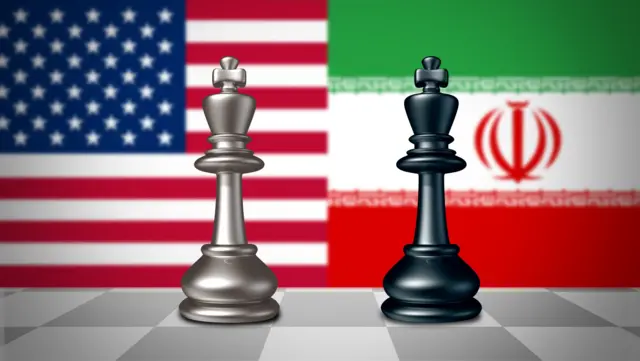
The latest developments surrounding Iran, the United States, and Israel have once again pushed the Middle East toward dangerous uncertainty. Reports of a proposed $58 million bounty targeting Donald Trump and Benjamin Netanyahu, combined with fresh American military threats, have significantly intensified Tensions between Iran and the US.
As both sides continue exchanging warnings and accusations, fears of another regional conflict are growing rapidly. The world is watching closely, hoping diplomacy can prevent further escalation.
Whether through negotiations or confrontation, the coming months could shape the future of Middle Eastern geopolitics for years to come.
Read more latest news

