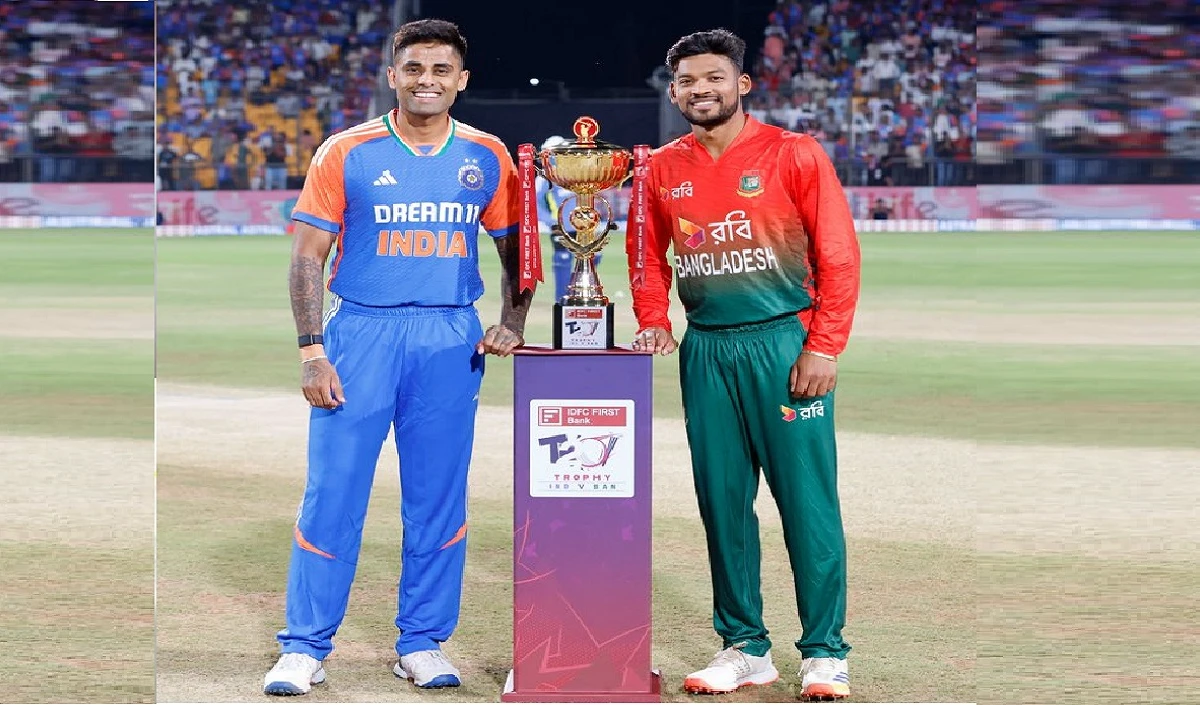
Bangladesh–India Cricket Tensions Escalate: From Mustafizur Rahman’s IPL Exit to World Cup Boycott Threat.
T20 World Cup scheduled Cricket diplomacy in South Asia has once again come under strain after a series of developments involving Bangladesh and India. What happened in Bangladesh was wrong, and if they do not want to come to India, the responsibility of handling the fallout lies not only with cricket boards but also with broader diplomatic channels. The ongoing conflict between the Bangladesh Cricket Board (BCB) and Indian cricket has grabbed headlines, especially with rising uncertainty over the T20 World Cup scheduled to be held in India.
Cricket has always been more than just a sport in the subcontinent. It is tied to national pride, political signaling, and public sentiment. When emotions run high, even a single administrative decision can snowball into a full-blown controversy, as seen in the current situation.
Background of Bangladesh India Cricket Relations
Bangladesh and India share a long and complex cricketing relationship. Over the years, India has played a significant role in supporting Bangladesh cricket through tours, infrastructure exposure, and competitive opportunities. However, tensions have surfaced periodically, often triggered by political developments or controversial on-field incidents.
The latest episode is different because it directly threatens the T20 World Cup scheduled in India, a global event watched by millions. Any hint of a boycott carries serious implications not just for bilateral relations but for international cricket as a whole.
What Happened in Bangladesh and Why It Matters
The statement “What happened in Bangladesh was wrong” reflects widespread criticism of recent developments that escalated tensions. Incidents involving public sentiment, administrative decisions, and political undertones have created an uncomfortable environment for sporting cooperation.
Such incidents inevitably spill into cricket, especially when a high-profile event like the T20 World Cup scheduled in India is approaching. The perception of hostility—real or exaggerated—has intensified mistrust between the two cricketing nations.
Bangladesh Cricket Board’s Position
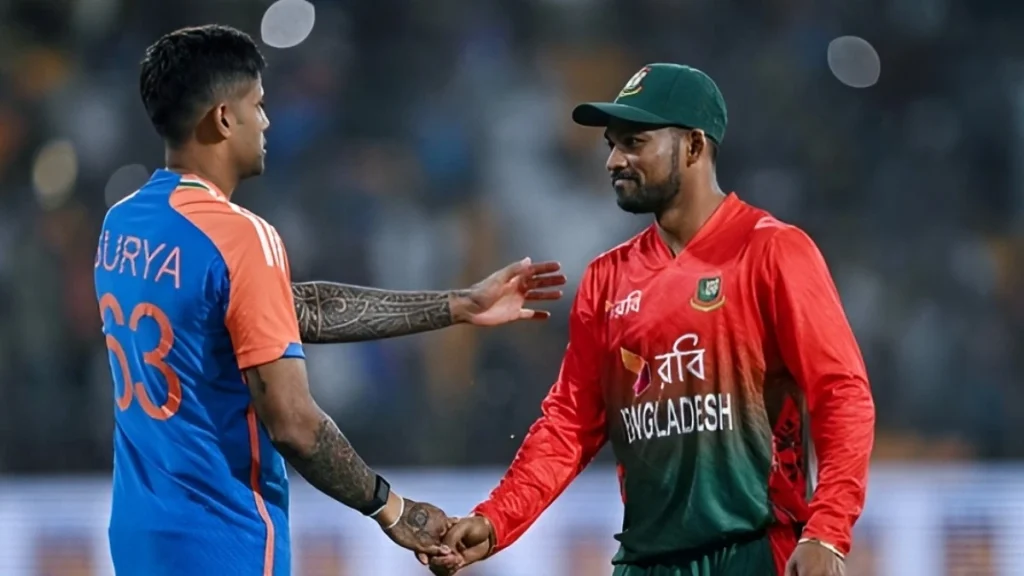
The Bangladesh Cricket Board has found itself under pressure from multiple sides. On one hand, it must safeguard the interests of its players and fans. On the other, it must respond to domestic political sentiment that often influences sports decisions.
BCB officials have expressed dissatisfaction over recent developments, linking them indirectly to concerns about participation in the T20 World Cup scheduled in India. While no formal boycott has been announced, the warning itself has been enough to cause alarm.
India’s Stand and BCCI’s Silence
The Board of Control for Cricket in India (BCCI) has largely maintained silence, choosing diplomacy over confrontation. Indian cricket administrators understand that public statements could further inflame tensions ahead of the T20 World Cup scheduled on home soil.
India, as the host nation, is keen to project stability, security, and inclusiveness—key factors that the ICC closely monitors when awarding hosting rights.
Mustafizur Rahman’s IPL Release: The Trigger Point
The controversy deepened significantly after Mustafizur Rahman was released from the IPL. While IPL franchises routinely make strategic decisions based on performance and team balance, this particular move was viewed in Bangladesh as politically motivated.
The timing of the release, so close to the T20 World Cup scheduled, added fuel to the fire. Social media outrage and emotional reactions transformed a cricketing decision into a national issue.
Impact on Players Caught in the Middle
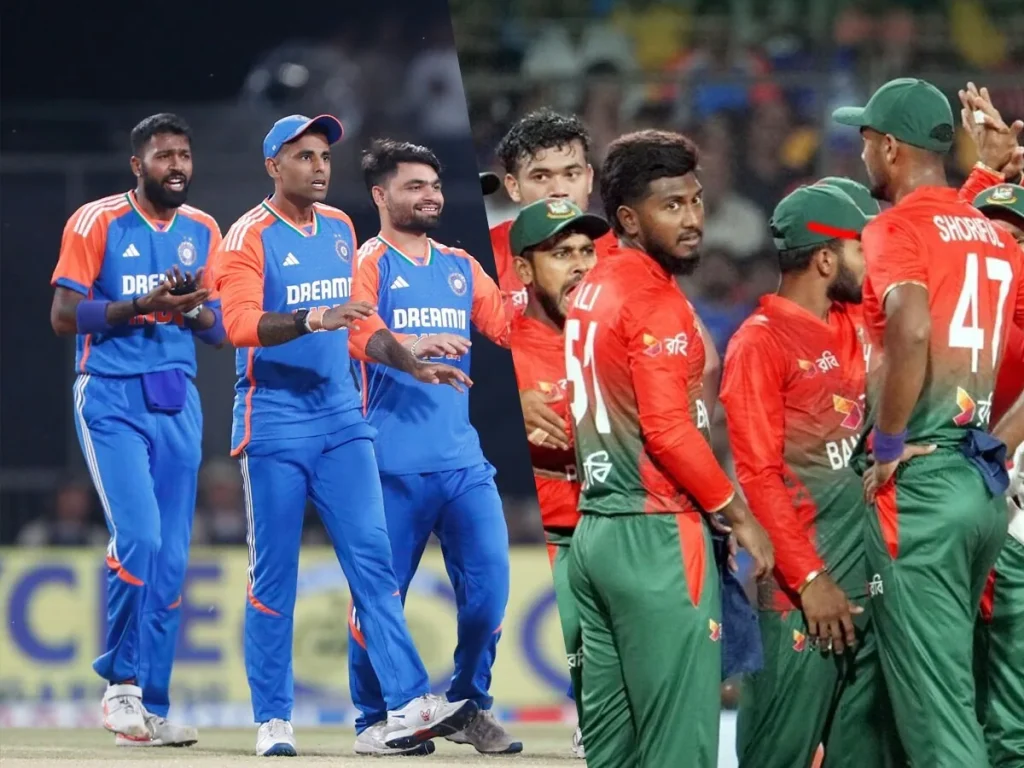
Players often become unintended victims of geopolitical tensions. Mustafizur Rahman, one of Bangladesh’s most prominent cricketers, suddenly found himself at the center of a controversy unrelated to his on-field performance.
Such situations can affect player morale, preparation, and focus—especially with the T20 World Cup scheduled as the biggest global stage for T20 cricketers.
When Politics Enters the Playing Field
Cricket and politics have long shared an uneasy relationship in South Asia. From tour cancellations to visa delays, political tensions often dictate sporting engagements.
The current standoff once again highlights how fragile sporting cooperation can be, particularly when an event as massive as the T20 World Cup scheduled is involved.
Bangladesh Boycott Threat Explained
The threat to boycott the tournament is not just symbolic. It is a strategic move aimed at pressuring cricketing authorities and drawing global attention to Bangladesh’s grievances.
However, pulling out of the T20 World Cup scheduled would have serious consequences for Bangladesh cricket, including financial losses, ICC penalties, and reputational damage.
ICC’s Role as Mediator
The International Cricket Council (ICC) now finds itself in a delicate position. As the governing body, it must ensure smooth conduct of the T20 World Cup scheduled while addressing concerns raised by member boards.
Historically, the ICC has preferred quiet diplomacy, and similar behind-the-scenes efforts are expected in this case as well.
India as Host Nation: Responsibilities and Challenges
Hosting a global event comes with immense responsibility. India has successfully organized multiple ICC tournaments in the past, proving its logistical and security capabilities.
Any controversy linked to the T20 World Cup scheduled could undermine years of planning and investment, making resolution a top priority for all stakeholders.
Security and Safety Concerns
One of the underlying issues often raised during such disputes is player safety. Although India has a strong record of hosting international teams, perception plays a crucial role.
Ensuring confidence among participating nations is essential for the success of the T20 World Cup scheduled, and this requires coordinated communication efforts.
Fan Reactions on Both Sides
Cricket fans in both countries have reacted passionately. While some voices call for calm and dialogue, others demand strong action from their respective boards.
Social media debates around the T20 World Cup scheduled reflect how deeply cricket emotions are intertwined with national identity.
Media’s Role in Escalating or Easing Tensions
Media narratives can either bridge gaps or widen divides. Sensational headlines and speculative reports have added to the tension surrounding the T20 World Cup scheduled.
Responsible reporting could play a key role in cooling tempers and focusing attention back on the sport itself.
Economic Implications of a Boycott
A boycott would not only hurt Bangladesh cricket but also impact sponsors, broadcasters, and advertisers associated with the T20 World Cup scheduled.
Global tournaments operate on massive commercial frameworks, and any disruption can lead to cascading financial consequences.
Diplomatic Channels Beyond Cricket
Given the seriousness of the situation, diplomatic engagement beyond cricket boards may become necessary. Sports diplomacy has often served as a bridge during tense political times.
Stability around the T20 World Cup scheduled may ultimately depend on broader India–Bangladesh diplomatic understanding.
Historical Precedents in World Cricket
Cricket history has witnessed boycotts and withdrawals before, often driven by political reasons. However, such decisions rarely benefit the withdrawing nation in the long run.
The lessons from past incidents serve as a reminder of what is at stake with the T20 World Cup scheduled.
Possible Paths to Resolution
Dialogue remains the most effective solution. Clear communication between BCB, BCCI, and ICC could defuse tensions and refocus attention on cricket.
A mutually respectful approach would ensure smooth participation in the T20 World Cup scheduled without setting damaging precedents.
What Lies Ahead for Bangladesh Cricket
Bangladesh cricket has grown significantly over the past two decades. Participation in global tournaments is crucial for sustaining this growth.
With the T20 World Cup scheduled approaching fast, pragmatic decision-making will be essential to protect long-term interests.
Conclusion: Cricket Must Rise Above Conflict
The ongoing Bangladesh–India cricket controversy highlights how quickly sports can become entangled in politics. While emotions are understandable, threatening a boycott of the T20 World Cup scheduled risks harming players, fans, and the game itself.
Ultimately, cricket must prevail over conflict. Dialogue, diplomacy, and mutual respect remain the only sustainable path forward—for Bangladesh, for India, and for the future of international cricket.
Read More latest sport news