
Russia’s Support in Sudarshan Chakra Project: Babushkin Says – “Shri Ganesh Will Do It”
Introduction
Russia Backs India’s Sudarshan Chakra Project India’s pursuit of advanced defense technology has always been a matter of national pride and strategic necessity. Among its most ambitious initiatives is the Sudarshan Chakra Project, a futuristic defense and aerospace program aimed at strengthening India’s capabilities in high-precision weaponry and strategic deterrence.
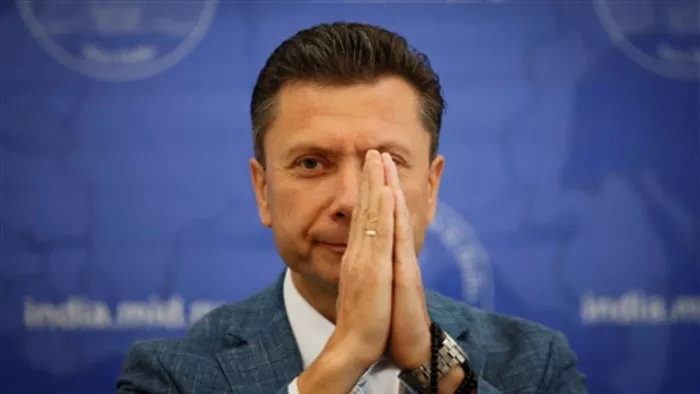
In a recent development, Russia has extended its support for the project, marking a significant milestone in India-Russia defense collaboration. Dmitry Babushkin, a key figure in the Russian delegation, confidently stated, “Shri Ganesh will do it”, signaling faith in India’s indigenous technological capability and determination.
This announcement has stirred interest across political, scientific, and defense circles. Not only does it underscore bilateral cooperation, but it also highlights India’s emerging role as a global defense innovator.
In this blog, we will explore the Sudarshan Chakra Project in depth, Russia’s involvement, Babushkin’s statement, and the broader implications for India’s defense strategy and global standing.
Background of the Sudarshan Chakra Project
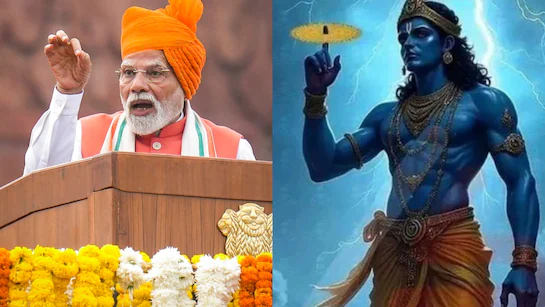
The Sudarshan Chakra Project derives its name from the legendary weapon of Lord Krishna, symbolizing precision, power, and invincibility. Conceptually, the project focuses on developing:
- Advanced missile defense systems
- High-precision guidance and targeting technology
- Autonomous aerial defense platforms
- Integration with India’s existing defense infrastructure
Initiated under the aegis of DRDO (Defence Research and Development Organisation), the project aims to bridge gaps in India’s current strategic capabilities, especially in missile defense and rapid response systems.
The project has been under development for several years and involves cutting-edge technologies such as AI-based targeting, hypersonic propulsion, and smart guidance systems.
India-Russia Defense Collaboration
India and Russia have shared a long-standing defense partnership, dating back to the Cold War era. Some key highlights include:
- Co-development of fighter jets and helicopters
- Joint research on missile technology
- Collaboration in space and satellite systems
- Technical support for naval and submarine programs
Russia’s support in the Sudarshan Chakra Project continues this legacy, providing India with both technical expertise and strategic confidence in advancing indigenous capabilities.
Babushkin’s Statement: “Shri Ganesh Will Do It”
Dmitry Babushkin’s statement carries both symbolic and practical significance.
- Symbolic Meaning:
- Shri Ganesh is considered the remover of obstacles in Hindu mythology. Babushkin’s remark signifies confidence that India will overcome all technical and operational challenges in the project.
- Technical Confidence:
- Russia recognizes India’s scientific talent pool, engineering capabilities, and innovative approach to complex defense projects.
- This statement reflects faith in India’s ability to execute the Sudarshan Chakra Project successfully, despite hurdles.
- Strengthening Bilateral Ties:
- Public affirmations like Babushkin’s enhance trust and collaboration between Indian and Russian defense establishments.
- It also sends a positive signal to global stakeholders about India’s growing technological self-reliance.
Key Components of the Sudarshan Chakra Project
1. Hypersonic Missile Systems
The Sudarshan Chakra Project aims to develop hypersonic missiles capable of speeds exceeding Mach 5, ensuring rapid response and minimal interception chances.
2. Advanced Guidance Technology
AI-driven navigation and targeting systems are integral, allowing missiles to adapt mid-flight and strike moving targets with high precision.
3. Autonomous Defense Platforms
The project also focuses on unmanned aerial and ground-based defense platforms, capable of independent decision-making during combat scenarios.
4. Integration with Existing Arsenal
The Sudarshan Chakra system will integrate seamlessly with India’s existing Agni, Prithvi, and BrahMos missile systems, providing a layered defense mechanism.
Russia’s Role in the Project
Russia’s involvement is multi-faceted:
- Technical Assistance: Sharing advanced missile and propulsion technology.
- Collaborative R&D: Joint research programs for guidance systems and hypersonic development.
- Training and Skill Development: Russian experts mentoring Indian scientists and engineers.
- Testing Support: Providing access to Russian testing facilities and simulation technologies.
This partnership ensures that India not only learns from established expertise but also strengthens its own research ecosystem for future defense projects.
Strategic Importance for India
1. Enhanced Deterrence
The Sudarshan Chakra Project strengthens India’s strategic deterrence, especially against regional threats. It adds another layer to India’s nuclear triad, making the country’s defense posture more robust.

2. Technological Self-Reliance
By leading such ambitious projects domestically, India reduces dependence on imported technology, moving closer to Atmanirbhar Bharat (self-reliant India) in defense.
3. Geopolitical Significance
Advanced missile and defense systems bolster India’s global standing, sending a message that the country is capable of defending its interests independently while maintaining strategic partnerships like the one with Russia.
4. Future Combat Readiness
With autonomous platforms and AI-driven systems, India is preparing for next-generation warfare, ensuring preparedness for high-tech conflicts in the future.
Challenges Ahead
Despite Russia’s support and India’s scientific expertise, the Sudarshan Chakra Project faces several challenges:
- Technical Complexity: Hypersonic speeds, AI guidance, and autonomous platforms require cutting-edge research and extensive testing.
- Budget Constraints: Advanced projects demand significant funding, and cost overruns are possible.
- Global Competition: Other nations, including China and the US, are also advancing in similar technologies, raising the stakes.
- Integration Challenges: Ensuring seamless coordination with existing missile and defense systems is a complex task.
Expert Opinions
- DRDO Scientists: Highlight the importance of collaboration with Russia for knowledge transfer and advanced testing methodologies.
- Defense Analysts: Stress that the project is a game-changer for India’s missile defense strategy, potentially altering regional security dynamics.
- Geopolitical Experts: Suggest that Russia’s support strengthens India’s negotiating position in global defense and strategic forums.
Historical Milestones
- Phase 1: Conceptualization and feasibility studies of Sudarshan Chakra.
- Phase 2: Indigenous design and prototyping of missile systems.
- Phase 3: Joint collaboration with Russia for advanced guidance and propulsion systems.
- Phase 4: Testing and integration with existing missile infrastructure.
- Phase 5: Operational deployment and readiness for strategic deterrence.
Implications for India-Russia Relations
The Sudarshan Chakra Project reinforces the long-standing defense partnership between India and Russia:
- Enhances trust and mutual dependence in strategic projects.
- Paves the way for future collaborations in space, aerospace, and defense.
- Strengthens India’s confidence to undertake ambitious indigenous defense initiatives.
Public and Political Reactions
The announcement has triggered excitement among citizens and policymakers:
- National Pride: Indians feel proud of the nation’s technological achievements.
- Political Discourse: Leaders across parties have applauded India-Russia cooperation.
- Social Media Buzz: Hashtags like #SudarshanChakra, #IndiaDefense, #RussiaSupport are trending online.
The Broader Defense Context
India is investing heavily in modernizing its defense forces:
- Upgrading Agni and BrahMos missiles
- Enhancing cyber and AI warfare capabilities
- Building advanced naval and air defense systems
The Sudarshan Chakra Project fits into this larger vision, ensuring India is prepared for future defense challenges.
Lessons for the Global Defense Community
- Collaboration is Key: Strategic partnerships accelerate technological advancements.
- Indigenous Capability Matters: Nations benefit from developing homegrown technologies.
- Symbolism Inspires Confidence: Babushkin’s reference to Shri Ganesh emphasizes faith and motivation in high-stakes projects.
- Innovation Drives Strategy: AI, hypersonics, and autonomous systems are shaping the future of warfare.
Conclusion
Russia’s support for India’s Sudarshan Chakra Project and Babushkin’s confident statement, “Shri Ganesh will do it”, represents more than just a diplomatic gesture. It symbolizes trust in India’s vision, scientific expertise, and determination.
The project is poised to transform India’s strategic defense capabilities, strengthen bilateral ties with Russia, and assert India’s role as a technological and strategic power on the global stage.
While challenges remain, India’s commitment to self-reliance, innovation, and strategic foresight ensures that the Sudarshan Chakra Project will not only meet its objectives but also inspire a new era of defense excellence.
With Shri Ganesh as a symbolic guiding force and Russia as a collaborative partner, India is set to achieve breakthroughs that redefine its defense narrative, making the Sudarshan Chakra Project a milestone in modern military history.
Read More latest news

