
food
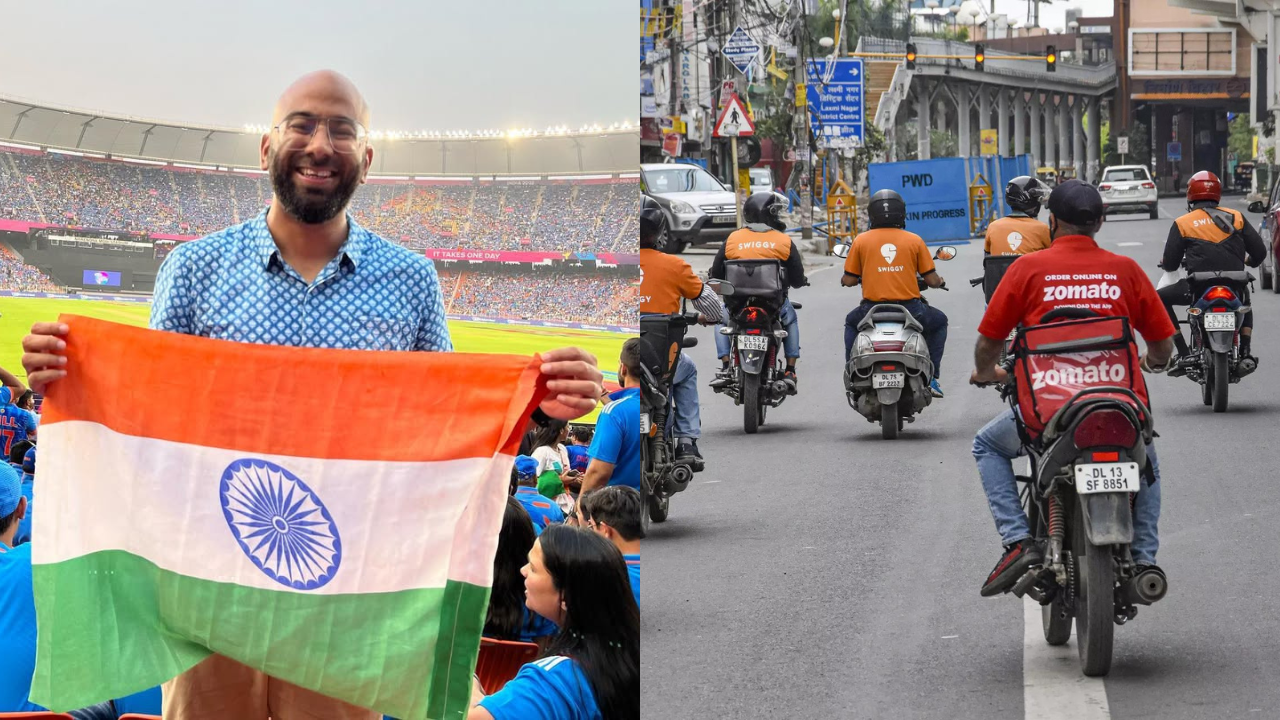
India’s food delivery industry has witnessed unprecedented growth over the last decade, with platforms like Zomato, Swiggy, and Zepto reshaping how millions of Indians access meals. However, this rapid evolution has raised concerns about the health implications of fast fod’s culture and ultra-quick delivery services. Shantanu Deshpande, CEO of Bombay Shaving Company, recently sparked a critical discussion on this topic, urging these platforms to prioritize health over speed and convenience.
The Rising Popularity of Fod’s Delivery Services
The Indian fod’s delivery market is projected to grow exponentially, driven by changing consumer lifestyles, urbanization, and increasing smartphone penetration. Zomato and Swiggy, the industry’s leading players, have introduced services like 10-minute fod’s delivery to meet the growing demand for convenience. Zepto, primarily known for grocery delivery, has also entered the hyper-fast delivery segment.
While these innovations cater to a fast-paced urban lifestyle, they come with unintended consequences. Deshpande’s critique has brought to light the health risks associated with the consumption of fast food and the operational practices of the industry.

Deshpande’s Concerns About Fast Delivery
In a strongly worded LinkedIn post, Deshpande criticized the preparation and nutritional quality of meals delivered under ultra-fast timelines. He highlighted how such meals are often prepared using frozen purees, reheated curries, and low-quality ingredients to ensure quick delivery. “Frozen purees and curries and old vegetables heated and garnished with dhaniya to look fresh and slammed in some 2-wheeler who rides like Mad Max to your door in 10 min,” he remarked.
Deshpande also warned of India’s growing reliance on processed and junk, likening the situation to public health crises seen in countries like the United States and China. However, unlike these nations, India lacks the economic resources to manage the long-term consequences of poor nutrition and lifestyle diseases.
The Health Risks of Ultra-Fast Fod’s Delivery
- Nutritional Deficiencies: Fast fod’s delivery services often prioritize speed and cost-efficiency over nutritional value. Meals prepared under stringent time constraints are likely to rely on preservatives, artificial flavors, and low-quality oils, contributing to dietary imbalances.
- Increased Risk of Lifestyle Diseases: A diet dominated by processed and fast fod’s is linked to obesity, diabetes, and cardiovascular diseases. With the rise of ultra-fast delivery options, unhealthy eating habits are becoming more prevalent among urban populations.
- Environmental Impact: The logistics of rapid fod’s delivery also pose environmental concerns. The use of single-use plastics for packaging and the carbon footprint of frequent delivery trips add to the industry’s ecological burden.
The Role of Food Delivery Platforms
Platforms like Zomato, Swiggy, and Zepto have a significant role in shaping consumer behavior and fod’s consumption patterns. Deshpande’s critique is a call to action for these companies to reconsider their priorities and adopt practices that promote healthier living.
- Promoting Nutritious Choices: Delivery platforms can collaborate with restaurants to include more balanced and nutritious meals on their menus. Highlighting healthy options through dedicated sections or filters can encourage better choices among consumers.
- Encouraging Fresh Preparation: Reducing reliance on pre-prepared ingredients and frozen is crucial. Platforms can incentivize restaurants to prioritize freshly cooked meals over processed alternatives.
- Transparency in Quality: Providing detailed nutritional information for menu items can empower consumers to make informed decisions. Platforms can also introduce ratings for quality, focusing on freshness and healthiness.
Consumer Responsibility and the Importance of Home-Cooked Meals
Deshpande’s message also urged consumers to rethink their eating habits. He emphasized the benefits of home-cooked meals, which are typically more nutritious, cost-effective, and environmentally sustainable compared to restaurant-delivered.
While delivery services offer unparalleled convenience, relying on them for daily sustenance can have long-term health implications. Simple changes, such as cooking more meals at home and reserving delivery for occasional indulgences, can contribute to better health outcomes.
Industry Responses and Public Reactions
Deshpande’s critique has garnered mixed reactions from the public and industry stakeholders. While many applauded his candid assessment, others argued that the responsibility for healthy eating ultimately lies with consumers.
Some delivery platforms have acknowledged the need for improvement. Swiggy, for instance, has previously introduced health-focused initiatives like calorie-labeled meals and curated collections of healthy restaurants. Zomato has also expanded its offerings to include dietary filters, catering to vegan, keto, and other specialized diets.
However, critics argue that these efforts are overshadowed by the aggressive promotion of fast and discounts, which drive consumer behavior towards less healthy choices.
Potential Solutions for a Healthier Delivery Ecosystem
- Regulatory Oversight: Government bodies can play a pivotal role in ensuring food quality and safety in the delivery industry. Setting standards for nutritional content, ingredient transparency, and food preparation practices can encourage healthier offerings.
- Corporate Social Responsibility (CSR): Delivery platforms can integrate health and sustainability goals into their CSR strategies. Supporting campaigns that raise awareness about healthy eating and offering subsidies for nutritious meals are potential avenues.
- Leveraging Technology: Artificial intelligence and data analytics can help platforms identify consumer trends and preferences. By understanding demand for healthier options, companies can tailor their offerings to align with health-conscious values.
- Empowering Local Businesses: Supporting small and medium-sized enterprises (SMEs) that prioritize fresh, organic, and local ingredients can foster a more sustainable food ecosystem.
The Future of Food Delivery in India
As India’s food delivery market continues to grow, striking a balance between convenience, affordability, and health will be critical. Platforms like Zomato, Swiggy, and Zepto have the opportunity to lead this transformation by adopting practices that prioritize consumer well-being over short-term gains.
Shantanu Deshpande’s critique serves as a timely reminder of the industry’s responsibility to promote healthier lifestyles. By addressing the challenges outlined and embracing innovative solutions, India’s food delivery ecosystem can evolve into a model that supports both convenience and public health.
Conclusion
The rise of ultra-fast food delivery services has revolutionized the way Indians access meals, but it has also brought significant health and environmental challenges. Shantanu Deshpande’s call for change is a wake-up call for both industry players and consumers to rethink their priorities.
By fostering a culture of mindful eating, supporting healthier choices, and addressing the systemic issues in food preparation and delivery, India’s food delivery industry can pave the way for a healthier, more sustainable future. The onus lies not just on platforms like Zomato, Swiggy, and Zepto but also on consumers and policymakers to drive this transformation.
to know more latest news

