
Mohan Bhagwat in London: RSS Says Love, Not Hatred, Is the Foundation of Its Work
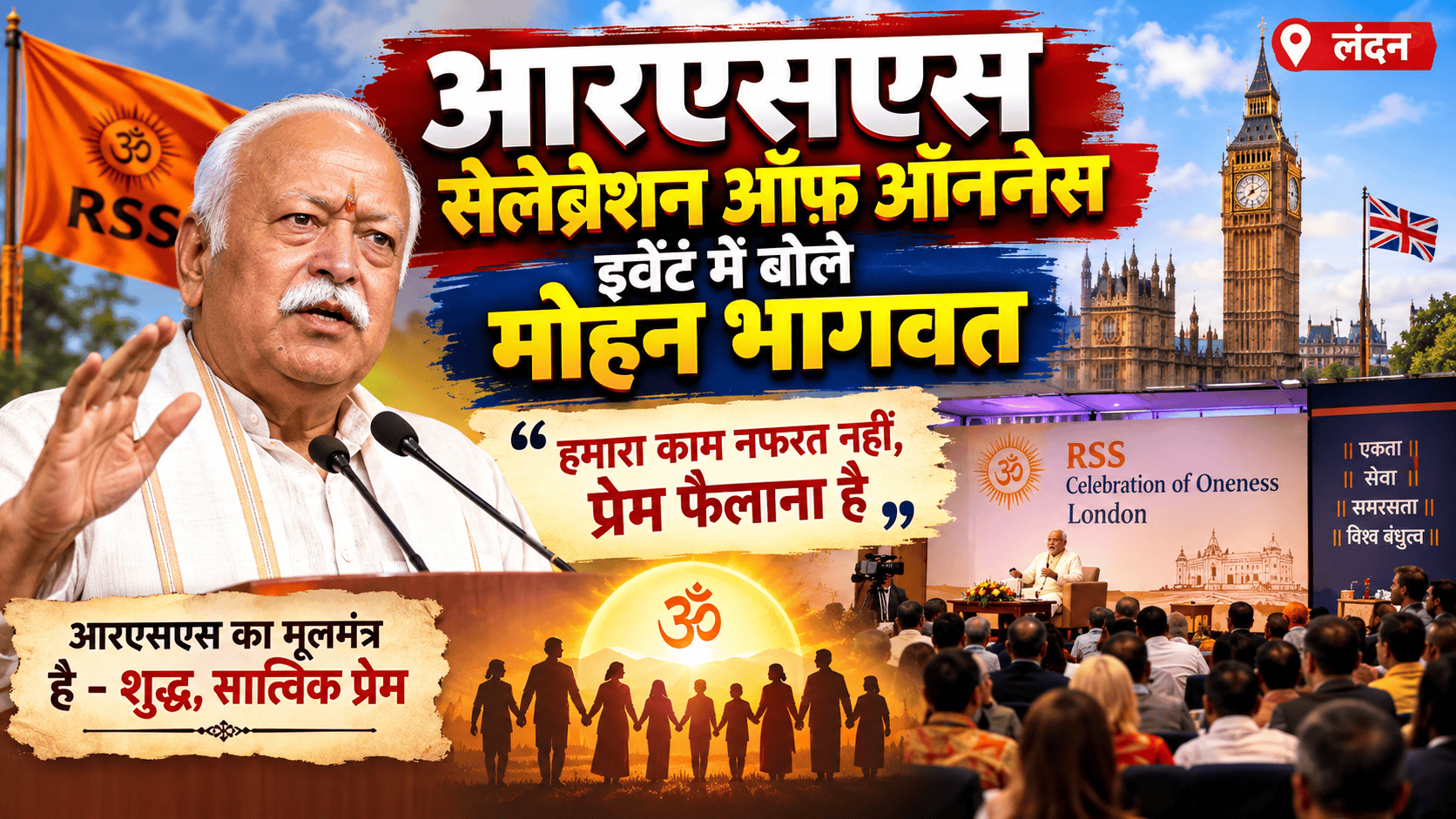
The RSS Celebration of Oneness event in London has drawn attention to a message from Rashtriya Swayamsevak Sangh chief Mohan Bhagwat about the organisation’s philosophy, public image and approach to social harmony. Speaking on September 6, with reports published on September 7, Bhagwat participated in an interactive dialogue with members of the Indian-origin and wider Hindu community in Britain. During the RSS Celebration of Oneness event, he responded to a question about the Sangh’s modus operandi and rejected the perception that hatred forms the foundation of its work.
According to the RSS account, Bhagwat identified “Apnapan,” or a sense of belonging, as a central principle and described it as “shuddha sattvik prem,” meaning pure, selfless and noble love. His comments at the RSS Celebration of Oneness event came during the organisation’s centenary outreach programme and placed the idea of social unity at the centre of his message. The RSS is marking its centenary, while Bhagwat’s overseas engagements in the United States, Canada and Britain have focused on civilisational dialogue, service and social harmony.
Bhagwat’s Message on Love and the RSS
At the RSS Celebration of Oneness event, Bhagwat said he had heard people describe the RSS’s work as being based on intense hatred. He argued that the reality was the opposite, saying that pure and virtuous love is the foundation of the organisation’s work. He linked this idea with the concept of apnapan, suggesting that belonging should extend beyond an individual to family, community, society and humanity.
The statement at the RSS Celebration of Oneness event is significant because the RSS has often been the subject of public debate about its ideology and social role. Bhagwat’s response therefore sought to explain the organisation’s philosophy in terms of service, belonging and unity rather than confrontation.
The RSS Celebration of Oneness event also provided Bhagwat an opportunity to explain how Hindu thought views diversity. He argued that differences among people and communities are natural and should be accepted and respected. At the same time, he said society should focus more strongly on the underlying unity that connects people.
Unity in Diversity as a Central Theme
One of the key messages from the RSS Celebration of Oneness event was that diversity should not automatically be treated as a source of division. Bhagwat said existence is fundamentally one even though it appears diverse. From this perspective, differences can be understood as different expressions of a larger unity.
This argument was also reflected in the broader theme of the RSS Celebration of Oneness event. The programme brought together community representatives and organisations from across the United Kingdom. According to the RSS, more than 310 community organisations and associations participated, while the gathering included Members of the House of Lords, MPs, mayors, councillors and Indian diplomatic representatives.
The RSS Celebration of Oneness event was organised and initiated by Hindu Swayamsevak Sangh UK, with support from the wider UK community engagement programme. The RSS said around 600 people representing 326 organisations attended. The programme began with a moment of silence for people affected by the Nepal floods, while Seva UK was reported to have raised £100,000 for relief efforts.
Service and Social Responsibility
Another important dimension of the RSS Celebration of Oneness event was the discussion of seva, or selfless service. Bhagwat described service not simply as an act of charity or an opportunity to help someone considered less fortunate. Instead, he presented seva as a way for an individual to develop humility and a deeper connection with society.
The RSS Celebration of Oneness event therefore connected love with practical social responsibility. If love is understood as belonging and interconnectedness, service becomes a natural expression of that relationship. Bhagwat said RSS volunteers are active across virtually every sphere of human life and pointed to service activities as an important part of the organisation’s work.
He also emphasised that service should not be performed with an attitude of superiority. Bhagwat suggested that the person receiving service also gives the volunteer an opportunity to contribute and grow. This interpretation places seva at the heart of his broader message about social connection.
Message for the Younger Generation
The RSS Celebration of Oneness event also included discussion about the future of the organisation and the role of young people. Bhagwat said the Sangh should continue its work while giving younger generations the knowledge and experience they need to find their own methods of achieving broader goals.
His comments reflected a generational transition within an organisation marking a century of existence. Rather than prescribing every method for the future, he suggested that younger people should be given a purpose and the freedom to develop appropriate approaches.
The RSS Celebration of Oneness event thus became more than a discussion about the organisation’s past. It also served as a platform to talk about future generations, social responsibility and the changing challenges faced by society.
Message to British Hindus
A further issue discussed at the RSS Celebration of Oneness event was the question of loyalty among British Hindus. Bhagwat said there should be no inherent conflict between being connected to Bharat and being loyal to Britain, where many members of the diaspora live and work.
He described the country where a person lives and fulfils responsibilities as the karmabhoomi, or land of duty. According to his remarks, if a genuine conflict arose between Britain’s interests and those of Bharat, British Hindus should naturally stand with Britain as their country of residence and responsibility.
This part of the RSS Celebration of Oneness event was particularly relevant to diaspora audiences because questions of cultural identity and civic responsibility often arise in discussions involving immigrant communities. Bhagwat’s comments attempted to frame these identities as compatible when understood through values, duty and service.
A Wider Civilisational Dialogue
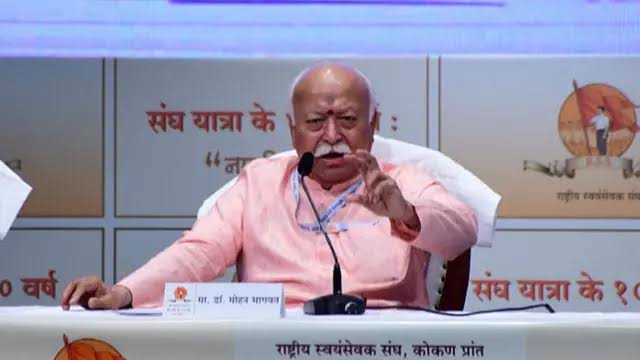
The RSS Celebration of Oneness event formed the London leg of Bhagwat’s wider centenary outreach. Before arriving in Britain, he addressed gatherings in New York and Toronto. The RSS has described the overseas programme as an effort to engage communities on service, social harmony, shared values and the idea of Vasudhaiva Kutumbakam, commonly translated as “the world is one family.”
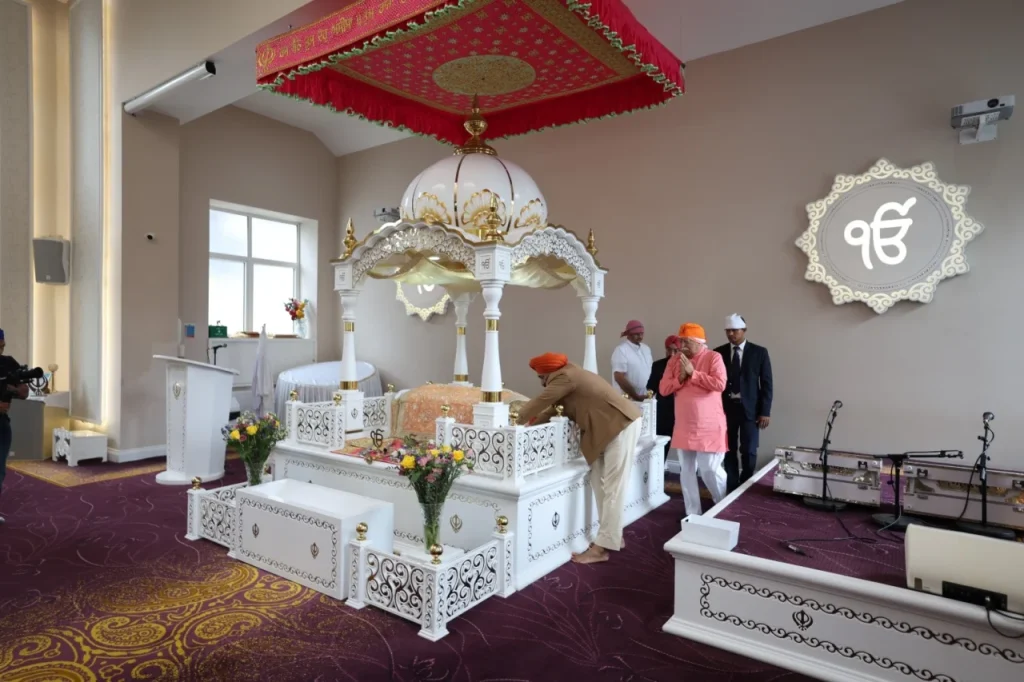
The RSS Celebration of Oneness event also followed Bhagwat’s meetings with faith leaders, academics, researchers and public figures in London. His visit included engagements with religious institutions, including a Swaminarayan temple and a Sikh gurdwara, reinforcing the emphasis placed by organisers on interfaith dialogue.
Conclusion
The RSS Celebration of Oneness event has placed Mohan Bhagwat’s comments on love, belonging and unity at the centre of attention on September 7. His statement that pure, sattvik love rather than hatred is the foundation of RSS work was clearly intended to explain the organisation’s self-described philosophy to an international audience.
The RSS Celebration of Oneness event also demonstrated the organisation’s effort to use its centenary year for overseas engagement and dialogue. Whether discussing diversity, seva, young people, diaspora responsibilities or Hindu thought, Bhagwat repeatedly returned to the idea that society becomes stronger when people recognise what connects them.
For supporters, the RSS Celebration of Oneness event offered a reaffirmation of the organisation’s stated commitment to service and social harmony. For observers and critics, his remarks provide an important articulation of how the RSS leadership describes its own mission. In either case, the event has become a significant part of the RSS’s centenary outreach and its attempt to communicate its ideas to Hindu communities and wider audiences outside India.
Read more latest news

