
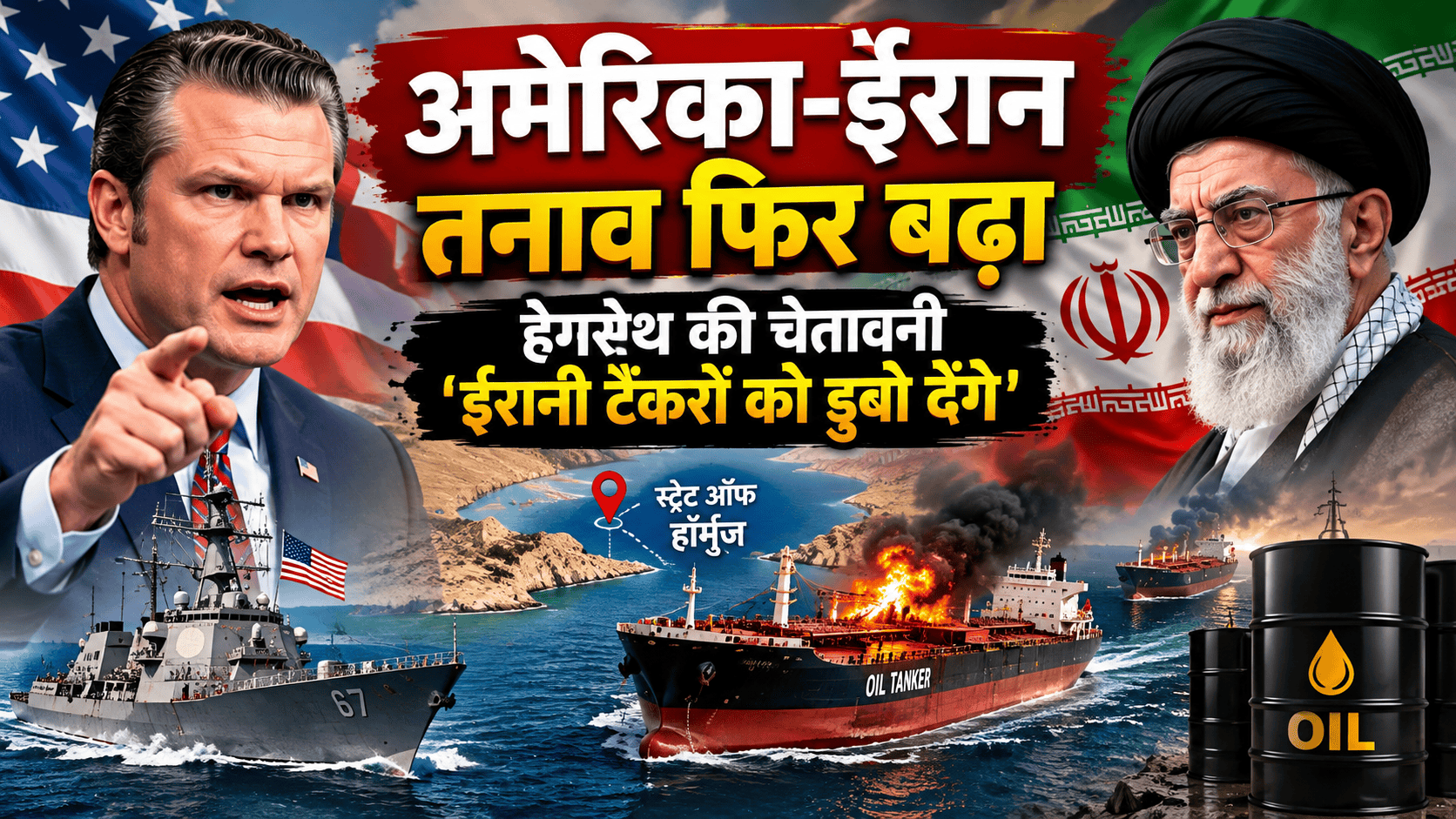
Tensions Between the US and Iran Escalate as Hegseth Warns of Tanker Strikes
Tensions between the US and Iran have once again reached a dangerous level, with the confrontation increasingly shifting toward the waters around the Strait of Hormuz. The latest escalation came after reported Iranian missile attacks targeting US Navy vessels, followed by American strikes against Iranian oil tankers. US Defense Secretary Pete Hegseth has now issued an unusually direct warning that Washington could destroy and sink Iranian oil tankers if American naval ships are attacked again.
The latest developments demonstrate how Tensions between the US and Iran are no longer limited to diplomatic statements, sanctions, or conventional military operations on land. Commercial shipping, oil exports and maritime routes have become central elements of the confrontation. The Strait of Hormuz, one of the world’s most important energy corridors, is now at the heart of the crisis.
Hegseth Issues a Direct Warning to Iran
US Defense Secretary Pete Hegseth delivered a blunt message through a post on X. He warned that if Iran attacks US ships, American forces will respond by destroying and sinking Iranian oil tankers. His statement followed reported attacks by Iran’s Islamic Revolutionary Guard Corps (IRGC) against two US Navy vessels operating in the region.
The warning marks a significant escalation because it directly links attacks on American military assets with potential attacks on Iran’s commercial oil fleet. Hegseth also argued that Iran’s tanker fleet is vulnerable to American aircraft, ships and submarines.
This latest statement shows why Tensions between the US and Iran are being closely watched by governments, investors and energy markets around the world.
US Strikes Iranian Oil Tankers
The rhetoric was followed by military action. According to US Central Command, American forces struck three Iranian crude oil tankers on September 5. Two vessels were reportedly disabled, while another was destroyed in the Gulf of Oman. The US said the operation came in response to missile attacks directed at American warships.
US officials described the strikes as a response designed to impose a significant economic cost on Tehran. CENTCOM commander Admiral Brad Cooper said that if Iran attacks two American ships, the United States could impose an even greater cost by targeting three Iranian vessels.
The development makes Tensions between the US and Iran particularly concerning because oil tankers are commercial assets with international economic importance. Further attacks could affect not only Iran but also global shipping companies, insurance markets and energy consumers.
Why the Strait of Hormuz Matters
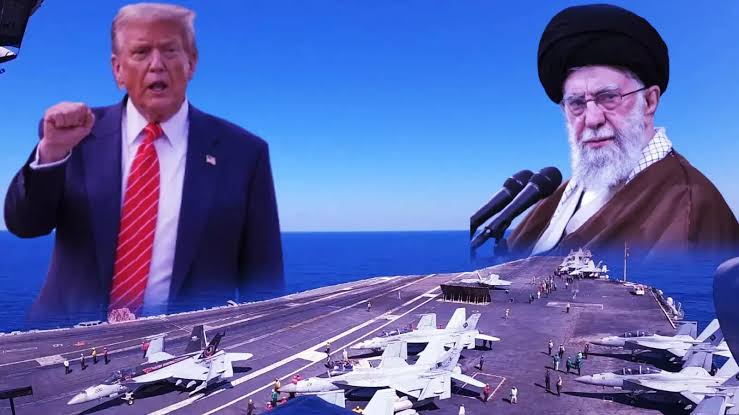
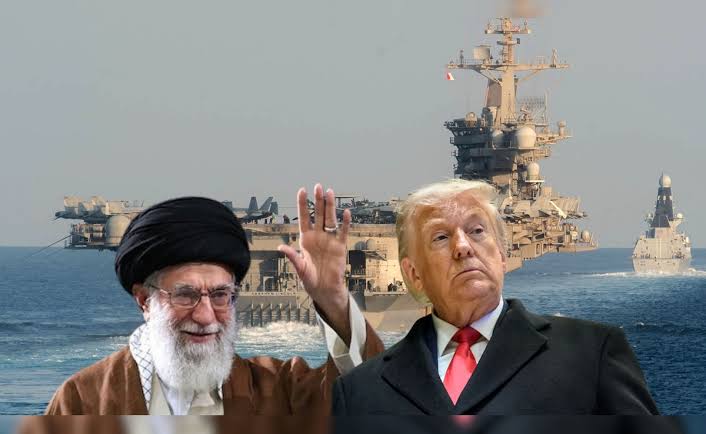
The Strait of Hormuz is one of the world’s most strategically important waterways. A large share of global oil and gas shipments traditionally passes through the narrow waterway connecting the Persian Gulf with the Gulf of Oman.
Any prolonged military confrontation in the area could therefore create major consequences for global energy markets. Reuters reported on September 7 that Brent crude had risen to around $96.80 per barrel while US West Texas Intermediate reached approximately $92.14 amid concerns over supply disruptions.
This is one reason Tensions between the US and Iran have consequences far beyond Washington and Tehran. Countries in Asia, Europe and other regions depend heavily on stable energy supplies from the Middle East.
Iran’s Response
Iran has strongly opposed the American military actions and has warned that continued attacks and what it describes as a naval blockade could result in a stronger response.
Iranian forces have also claimed attacks against vessels operating in or around the Strait of Hormuz. Some of these claims have not been independently verified, highlighting the uncertainty surrounding the rapidly developing maritime confrontation.
For Tehran, the Strait of Hormuz represents both an economic lifeline and a strategic source of leverage. For Washington, maintaining freedom of navigation and protecting American military personnel and commercial shipping remain key priorities.
The possibility of repeated attacks means Tensions between the US and Iran could quickly evolve into a broader maritime conflict.
Impact on Global Oil Markets
Perhaps the biggest immediate concern is the effect on oil prices. Markets react strongly whenever there is a possibility that shipments through the Strait of Hormuz could be disrupted.
Reuters reported that shipping activity through the waterway has fallen significantly, while energy prices have climbed amid concerns about prolonged disruptions. The possibility of a sustained confrontation could keep oil prices elevated and increase transportation and manufacturing costs worldwide.
If tanker attacks continue, shipping companies may face higher insurance premiums and may choose to avoid certain routes. Such decisions could further reduce the flow of commodities and increase costs for consumers.
Thus, Tensions between the US and Iran could eventually become an international economic issue rather than simply a regional military confrontation.
A Dangerous Cycle of Retaliation
The most worrying element of the current crisis is the possibility of a cycle of retaliation. One military strike can trigger another, followed by additional counterattacks.
The United States has already demonstrated that it is willing to target Iranian oil transportation infrastructure following attacks on its naval forces. Iran, meanwhile, has warned that further American actions could provoke a stronger response.
This creates a situation in which a relatively limited maritime incident could potentially develop into a much wider military confrontation.
The latest Tensions between the US and Iran therefore represent a serious challenge for regional stability and international diplomacy.
What Could Happen Next?
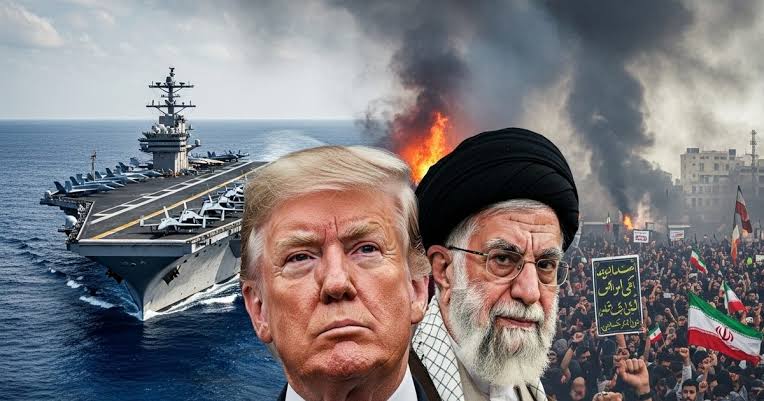
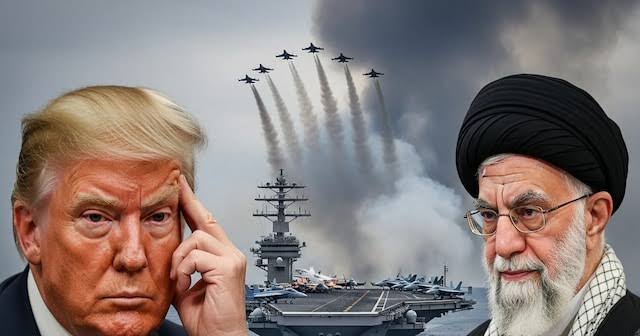
Several scenarios remain possible. The first is diplomatic de-escalation, in which both sides use intermediaries to establish limits on military activity around the Strait of Hormuz.
The second possibility is continued tit-for-tat attacks involving military ships and commercial tankers. Such a scenario could have serious consequences for energy markets and international shipping.
The third and most dangerous possibility is a broader regional conflict involving additional military assets and countries.
For now, Tensions between the US and Iran remain highly unpredictable. The United States has demonstrated its willingness to defend its naval forces and impose economic costs on Iran, while Tehran continues to signal that it will resist American pressure.
Conclusion
The latest Tensions between the US and Iran show how quickly a regional confrontation can threaten global economic stability. Pete Hegseth’s warning that Iranian oil tankers could be destroyed if US Navy vessels are attacked represents a major escalation in rhetoric and strategy. The subsequent US strikes on three Iranian tankers have made the threat even more consequential.
The central concern now is whether both sides can prevent further escalation. With the Strait of Hormuz serving as a critical artery for global energy supplies, continued military action could push oil prices higher, disrupt international shipping and create new economic pressures.
Ultimately, Tensions between the US and Iran have moved into a particularly dangerous phase. The coming days will be crucial in determining whether the current confrontation remains limited to maritime exchanges or develops into a much larger regional crisis.
Read more latest news

