
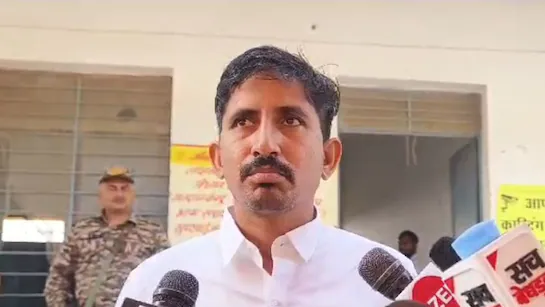
Rajkumar Roat Raises Tough Questions in Lok Sabha: A Deep Dive Into the Demand for a Ban on Tobacco Promotions by Bollywood Actors
The discussion on health awareness, youth influence, and celebrity responsibility took center stage in the Lok Sabha when MP Rajkumar Roat raised serious objections to Bollywood actors promoting tobacco products. This intervention opened a new chapter in India’s long-standing debate on tobacco usage, advertising ethics, and public health. Through his passionate speech, Rajkumar Roat shed light on a matter that has concerned activists and health experts for decades: the dangerous impact of tobacco promotion on India’s young population.
Rajkumar Roat’s Parliamentary Intervention: A Bold Move
During the Lok Sabha proceedings, Rajkumar Roat took a firm stand against Bollywood celebrities endorsing tobacco products, including gutkha, pan masala, and related brands. His speech was not just a casual comment; it was a call for accountability. He argued that celebrities hold massive influence over millions, especially children and teenagers, and therefore must act responsibly.
This was the first time Rajkumar Roat raised the matter with such clarity and force in the Parliament. His words reflected growing public frustration over misleading celebrity advertisements disguised as “mouth freshener” promotions.
According to Rajkumar-Roat, these ads are indirect tactics used by companies to bypass existing advertising restrictions. He demanded a direct and nationwide ban on such promotions to safeguard public health.
Why Rajkumar Roat’s Concern Matters
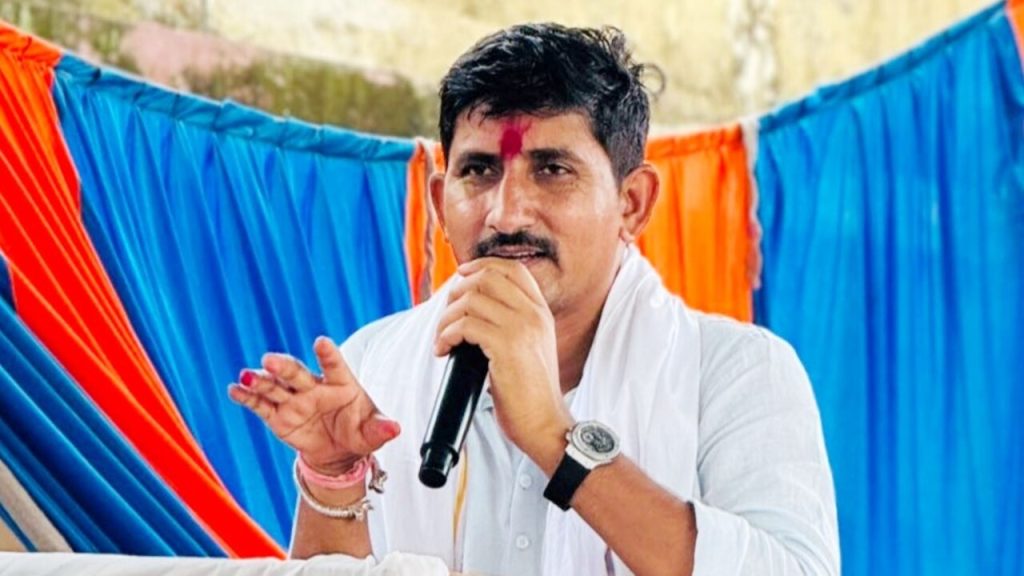
The speech by Rajkumar Roat is significant because it highlights an often-overlooked issue: the psychological impact of celebrity-driven advertising on young viewers. Many teenagers idolize Bollywood stars and aspire to emulate their behavior.
When superstars appear in glossy commercials for pan masala or similar products, viewers—especially minors—associate these harmful substances with success, charm, and glamor. This subtle brainwashing normalizes the consumption of products that are proven to be carcinogenic.
By bringing this concern into the Lok Sabha, Rajkumar-Roat has forced a national-level conversation around the ethics of such promotions.
The Influence of Bollywood on Youth Behavior
India is the world’s largest film-producing nation, and Bollywood actors enjoy massive popularity across age groups. Their endorsements shape consumer preferences. Rajkumar-Roat addressed this influence directly, stating that Bollywood actors are role models, willingly or unwillingly.
Here’s why his point is crucial:
- Fans imitate celebrity behavior
- Advertisements create aspirational value
- Children lack the maturity to distinguish ads from reality
- Celebrities often overshadow statutory warnings
In essence, Rajkumar Roat argued that when powerful public figures promote unhealthy products, it multiplies the risk of public health disaster.
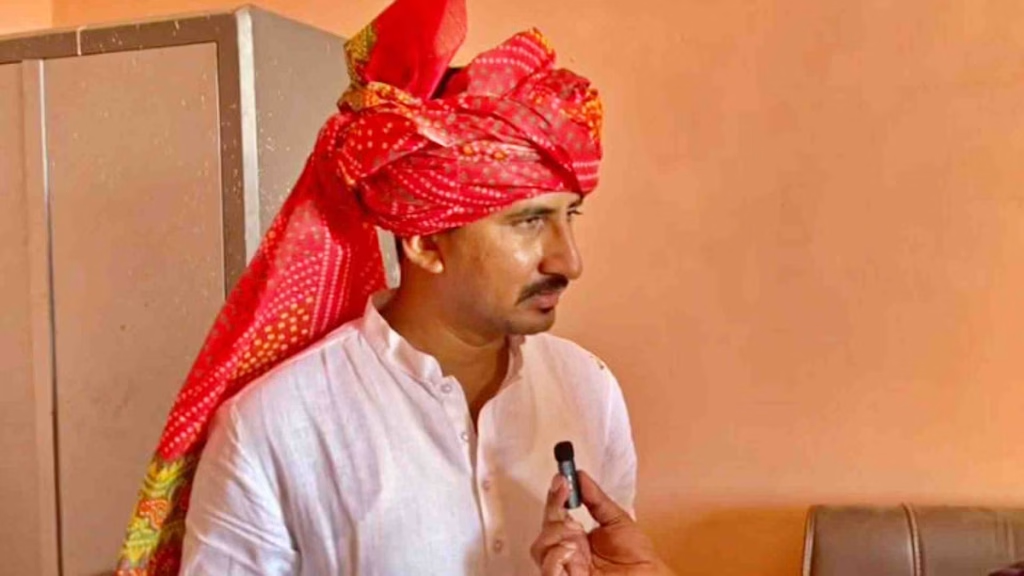
The Health Impact: Why Rajkumar Roat Is Absolutely Right
According to medical studies, tobacco use—smoking or smokeless—is responsible for:
- Oral cancer
- Throat cancer
- Lung infections
- Heart diseases
- High mortality rates
By linking these products to celebrities, the public is misled into thinking that consumption is harmless. Rajkumar-Roat stressed that India already battles massive health challenges, and irresponsible marketing only aggravates the situation.
Rajkumar Roat’s Demand for a Complete Ban
During his speech, Rajkumar Roat made a clear demand: the government must implement an absolute ban on Bollywood actors promoting any tobacco-related products. His argument rests on three pillars:
- Public Safety
According to Rajkumar-Roat, the youth must be protected from misleading advertising. - Ethical Advertising
He emphasized that celebrities must stop lending their face to harmful brands. - Legal Accountability
Rajkumar Roat pushed for stricter laws and penalties for violations.
His speech has revived discussions around whether the surrogate advertising loophole should be eliminated entirely.
Support from Health Experts and Social Activists
Public health experts have strongly supported the stand taken by Rajkumar-Roat. Many NGOs working on de-addiction and cancer prevention echoed his concerns. Their arguments include:
- Surrogate ads are deceptive
- Teenagers are the most vulnerable
- Government must prioritize health over corporate profits
Activists are now urging political leaders across parties to support the cause championed by Rajkumar Roat.
Bollywood’s Responsibility: A Debate Rekindled
The remarks of Rajkumar-Roat reignited debate around Bollywood celebrities participating in such endorsements. Several questions arose:
- Should celebrities endorse products that can harm health?
- Should there be strict guidelines for public personalities?
- Should fans boycott actors promoting harmful substances?
Some actors argue they do it for monetary reasons, while others claim the ads are harmless. Rajkumar Roat, however, rejected these excuses in Parliament, saying fame must come with responsibility.
The Legal Angle: What Needs to Change?
India already has laws restricting direct tobacco advertising. But companies use loopholes like “elaichi,” “mouth freshener,” or “cardamom” branding to promote the same harmful products. Rajkumar-Roat highlighted this misuse.
He urged the government to:
- Close loopholes in advertising guidelines
- Introduce penalties for surrogate branding
- Regulate celebrity endorsements more strictly
- Mandate digital platforms to remove such ads
By drawing attention to these gaps, Rajkumar Roat has triggered a legal review among policymakers.
Impact on Future Generations
One of the most powerful arguments made by Rajkumar Roat is the impact on children. Kids exposed to such ads develop:
- Curiosity
- Misconceptions
- Early addiction tendencies
Research shows a direct connection between early exposure to tobacco ads and eventual tobacco use. Rajkumar Roat wants this cycle broken permanently.
Social Media Reaction: Support for Rajkumar Roat
After the Lok Sabha session, clips of Rajkumar Roat’s speech went viral. On Twitter, Instagram, and YouTube, thousands of users expressed support.
Many praised him for:
- Speaking boldly
- Challenging Bollywood’s influence
- Protecting youth
- Pushing for responsible advertising
Celebrities, too, were not spared in public discussions, with many questioning why they accept such endorsements.
Possible Government Response
Given the seriousness of Rajkumar Roat’s points, government ministries may:
- Examine advertising loopholes
- Hold consultations with legal experts
- Strengthen the Cigarettes and Other Tobacco Products Act (COTPA)
- Bring guidelines for social media advertising
His intervention may push the government toward concrete reforms.
A Turning Point in Advertising Ethics?
The speech by Rajkumar Roat may become a pivotal moment in India’s advertising regulation history. If his recommendations are implemented, India could:
- Reduce tobacco consumption
- Protect the younger generation
- Improve national health indicators
- Send a global message of responsible governance
Public health advocates believe this moment should not be wasted.
What Bollywood Should Learn from Rajkumar Roat
Bollywood needs introspection. Rajkumar Roat didn’t attack the industry but emphasized responsibility. Celebrities must:
- Refuse harmful endorsements
- Promote social awareness
- Understand their influence
- Prioritize health over profit
A shift in mindset is essential.
Conclusion: Rajkumar Roat Has Started a Much-Needed Conversation
The issue raised by Rajkumar Roat is not minor—it affects millions. His powerful speech in Lok Sabha has:
- Questioned unethical advertising
- Highlighted youth vulnerability
- Called out Bollywood’s irresponsibility
- Demanded legislative action
If taken seriously, his plea can transform India’s approach to public health and celebrity accountability. Rajkumar Roat has lit the torch; now the nation must follow through.
Read More latest news

