
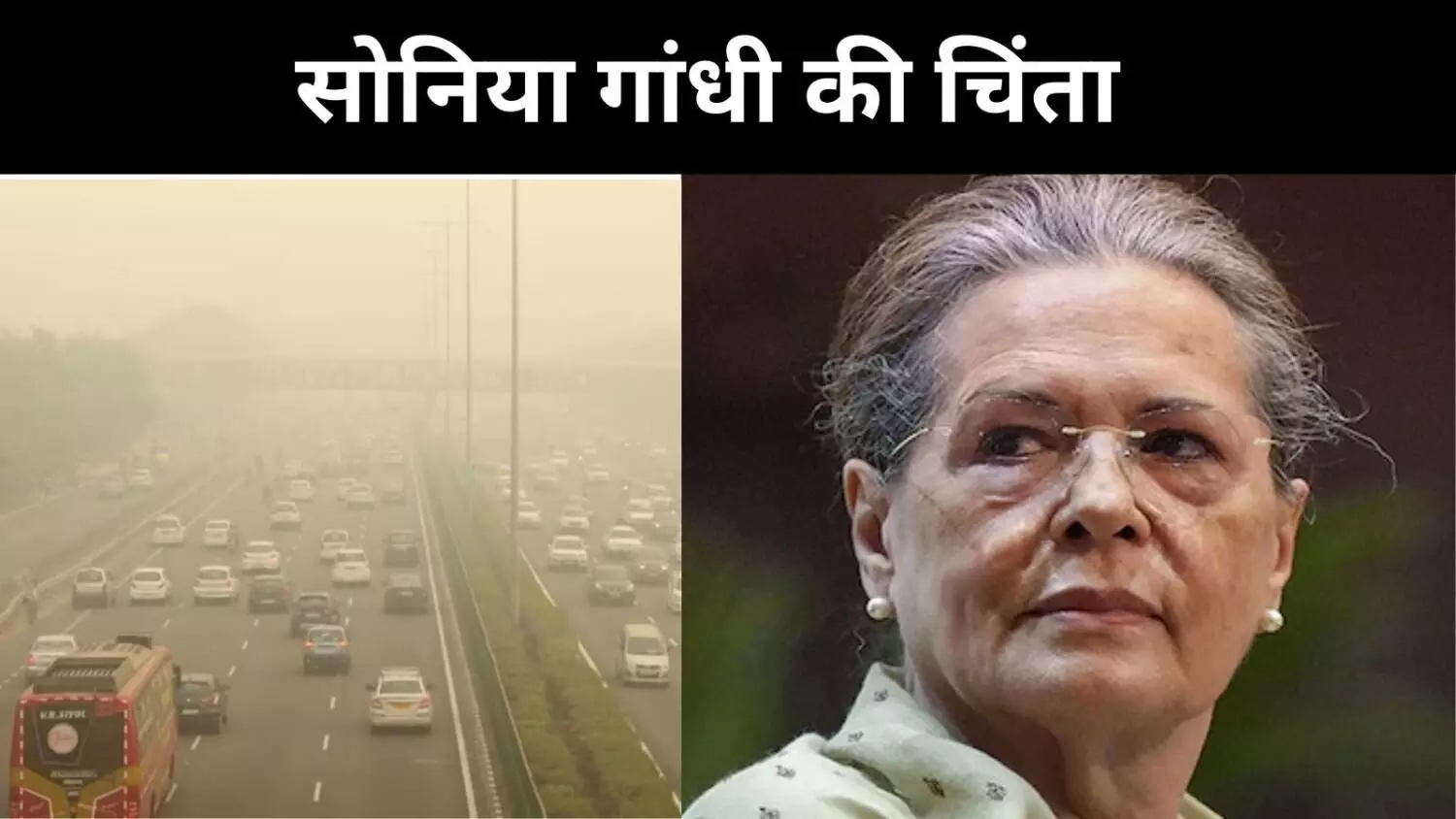
Sonia Gandhi Raises Concern Over Pollution: A Deep Dive Into India’s Growing Environmental Crisis
In recent days, the discussion on the pollution issue has intensified across political platforms, public forums, and media channels. The concern gained further prominence when Lok Sabha MP Sonia Gandhi openly expressed her dissatisfaction with the deteriorating air quality and the government’s approach towards solving the pollution issue. Her remarks have sparked a nationwide debate, forcing policymakers, environmentalists, and citizens to reflect on the gravity of the situation.
Sonia Gandhi’s statement, highlighting the plight of “small children, elderly people, and people like me,” not only mirrors the daily struggles faced by millions but also underscores how this pollution issue has become a threat to public health and overall quality of life. In this blog, we present an in-depth analysis of her statement, the current environmental condition, reasons behind the pollution-issue, and potential solutions to overcome it.
Sonia Gandhi’s Statement: A Voice Echoing the Public’s Pain
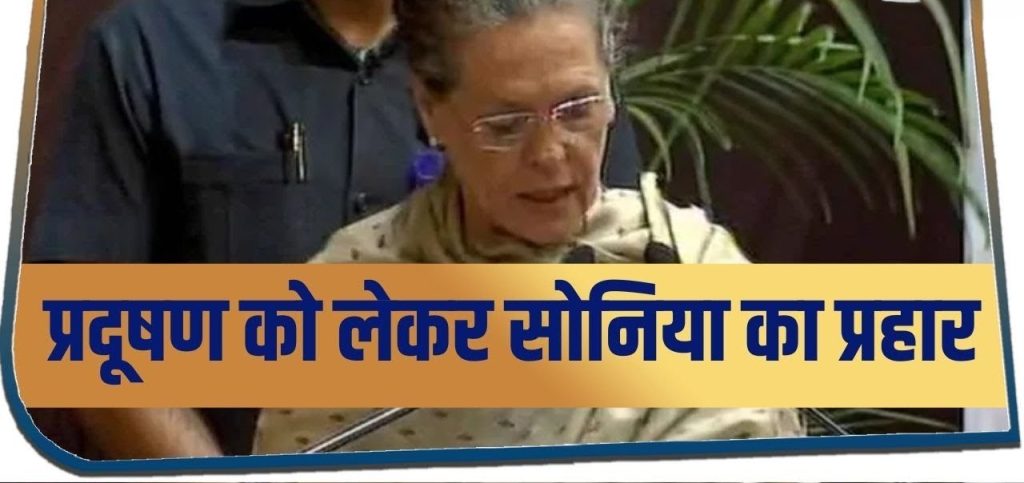
During a parliamentary session, Sonia Gandhi expressed strong dissatisfaction over the worsening environmental conditions. She emphasized that the government needs to take strict and immediate steps to address the pollution issue. Her remarks were direct, emotional, and reflective of the suffering experienced by vulnerable groups—especially children, senior citizens, and individuals with respiratory ailments.
Her words, “the government should do something, there are small children, elderly people, and people like me who are facing problems,” resonated deeply across the nation. For many, it was a reminder that the pollution issue is not merely an environmental challenge but a humanitarian crisis.
This public intervention by a senior political leader showcases how the pollution issue has penetrated every layer of society. When someone of her stature raises this concern, it amplifies the urgency for the government and agencies to respond swiftly and effectively.
Why Sonia Gandhi’s Concern Matters
The influence of political leaders is undeniable. When Sonia Gandhi highlights a pollution-issue, it garners nationwide attention. Her statements often shape political discourse, attract media coverage, and motivate administrative responses.
Moreover, she emphasizes the vulnerability of children and senior citizens—two demographics most severely impacted by the pollution issue.
- Children, whose lungs are still developing, are more likely to experience long-term respiratory challenges.
- Elderly people, often with pre-existing health conditions, face increased risks of heart attacks, asthma attacks, and poor immunity.
By bringing attention to these groups, Sonia Gandhi has given a human face to the pollution issue, urging policymakers to adopt empathetic and scientifically driven approaches.
The Current Air Quality Scenario in India
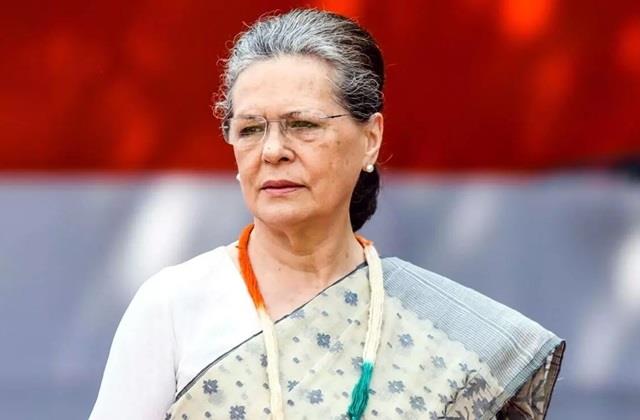
India has consistently ranked among the countries with the poorest air quality globally. Cities like Delhi, Gurugram, Kanpur, Lucknow, and Patna frequently report alarming AQI levels. Every winter, due to stubble burning, vehicle emissions, industrial smoke, and unfavorable weather conditions, the pollution issue worsens drastically.
Primary Reasons Behind the Pollution Issue
- Vehicular Emissions – Increasing urbanization and rising income levels have multiplied private vehicle usage.
- Industrial Pollution – Factories operating without sufficient pollution control mechanisms contribute heavily to the pollution issue.
- Construction Dust – Rapid development has increased dust particles in the air.
- Agricultural Burning – Stubble burning continues in northern states despite awareness campaigns.
- Waste Burning – Improper waste management leads to roadside burning of garbage, exacerbating the pollution issue.
Collectively, these factors contribute to toxic air that affects millions daily.
How the Pollution Issue Impacts Common Citizens
The pollution-issue has consequences far beyond inconvenience. Medical reports clearly state that prolonged exposure to polluted air leads to:
- Respiratory diseases like asthma and bronchitis
- Heart complications
- Lower immunity
- Increased cases of lung infections
- Developmental problems in children
Even those with no pre-existing health problems report eye irritation, coughing, fatigue, and low stamina due to the pollution-issue. Everyday life—from morning walks to outdoor work—becomes extremely difficult.
People working outdoors, such as traffic police, street vendors, laborers, and delivery personnel, suffer the most. For them, the pollution-issue is not seasonal—it affects their livelihood and long-term health.
Economic Impact of the Pollution Issue
While Sonia Gandhi highlighted health concerns, the pollution issue also causes massive economic losses. Several reports estimate that India loses billions in GDP due to:
- Reduced worker productivity
- Increased healthcare costs
- School closures
- Decreased tourism
The World Bank and WHO have often indicated that the pollution-issue can destabilize economic growth if left unaddressed.
Political Reactions & Public Sentiment
Sonia Gandhi’s remarks have sparked reactions from across the political spectrum. While some leaders have supported her concern, others have accused her of politicizing the pollution-issue. However, the public sentiment largely agrees with her: the pollution crisis is real, severe, and demands immediate government intervention.
Environmental activists and NGOs have praised her stand, saying that having a national-level leader speak strongly about the pollution-issue makes environmental protection a mainstream political agenda.
Social media platforms saw a surge of discussions. Hashtags like #StopPollution, #CleanAirNow, and #SoniaGandhi trended as people shared their daily struggles with the pollution-issue.
Government Measures: Are They Enough?
While the government has introduced several policies—including the Graded Response Action Plan (GRAP), Odd-Even scheme, and restrictions on industrial emissions—the results remain limited. During extreme pollution days, schools are forced to shut down, and flight operations get disrupted.
Many argue that the government’s steps are reactive rather than preventive. Sonia Gandhi’s remarks reflect this sentiment, demanding a long-term, scientific, and holistic approach to the pollution issue.
What More Should the Government Do?
Experts recommend the following:
- Encourage large-scale electric mobility
- Strict enforcement of industrial pollution norms
- Develop alternatives to stubble burning
- Construct smog towers in major cities
- Promote public transport
- Implement city-wide dust control systems
Until such measures are consistently enforced, the pollution issue will continue to worsen.
Why the Pollution Issue Must Be Tackled Urgently
The longer the government delays action, the harder it will be to reverse the damage. The pollution issue is directly connected to:
- India’s future economic growth
- Citizens’ health and productivity
- International image
- Environmental sustainability
If immediate steps are not taken, the pollution issue could become an irreversible national emergency.
Public Responsibility: Citizens Must Also Act
While government actions are critical, citizens themselves play a major role in controlling the pollution issue. Simple steps like:
- Avoiding unnecessary car use
- Planting trees
- Segregating waste
- Not burning garbage
- Conserving electricity
- Using public transport
…can collectively reduce pollution levels.
A change in public behavior is essential to address the pollution issue comprehensively.
Environmental Experts Support Sonia Gandhi’s Stand
Environmental organizations, research think tanks, and green activists have supported Sonia Gandhi’s statement, saying that it captures the emotional and physical struggles faced by millions. Experts believe her voice can push the government to treat the pollution issue as seriously as economic or national security issues.
Many experts have also warned that climate change and the pollution issue are interconnected. Rising temperatures trap pollutants closer to the ground, creating toxic smog layers. Therefore, reducing emissions is not optional—it is necessary.
A National Movement for Clean Air: The Need of the Hour
Sonia Gandhi’s remarks could spark a larger national movement against the pollution issue. Environmental campaigns in India have historically succeeded when backed by political will and public support.
A Clean Air Movement could include:
- Nationwide awareness campaigns
- School-level environmental education
- Corporate responsibility programs
- Mass plantation drives
- Strict industrial monitoring
The pollution issue requires a collective national effort involving government, industry, and citizens.
Conclusion: Time to Prioritize Public Health Over Politics
Sonia Gandhi’s strong stand on the pollution issue has exposed a reality that people live every day. Her appeal is not a political attack—it is a humanitarian message urging the government to protect the health of millions.
The pollution issue threatens India’s future generations, economic stability, and global standing. This is no longer just an environmental matter—it is a crisis demanding immediate national attention.
Read More latest News

