
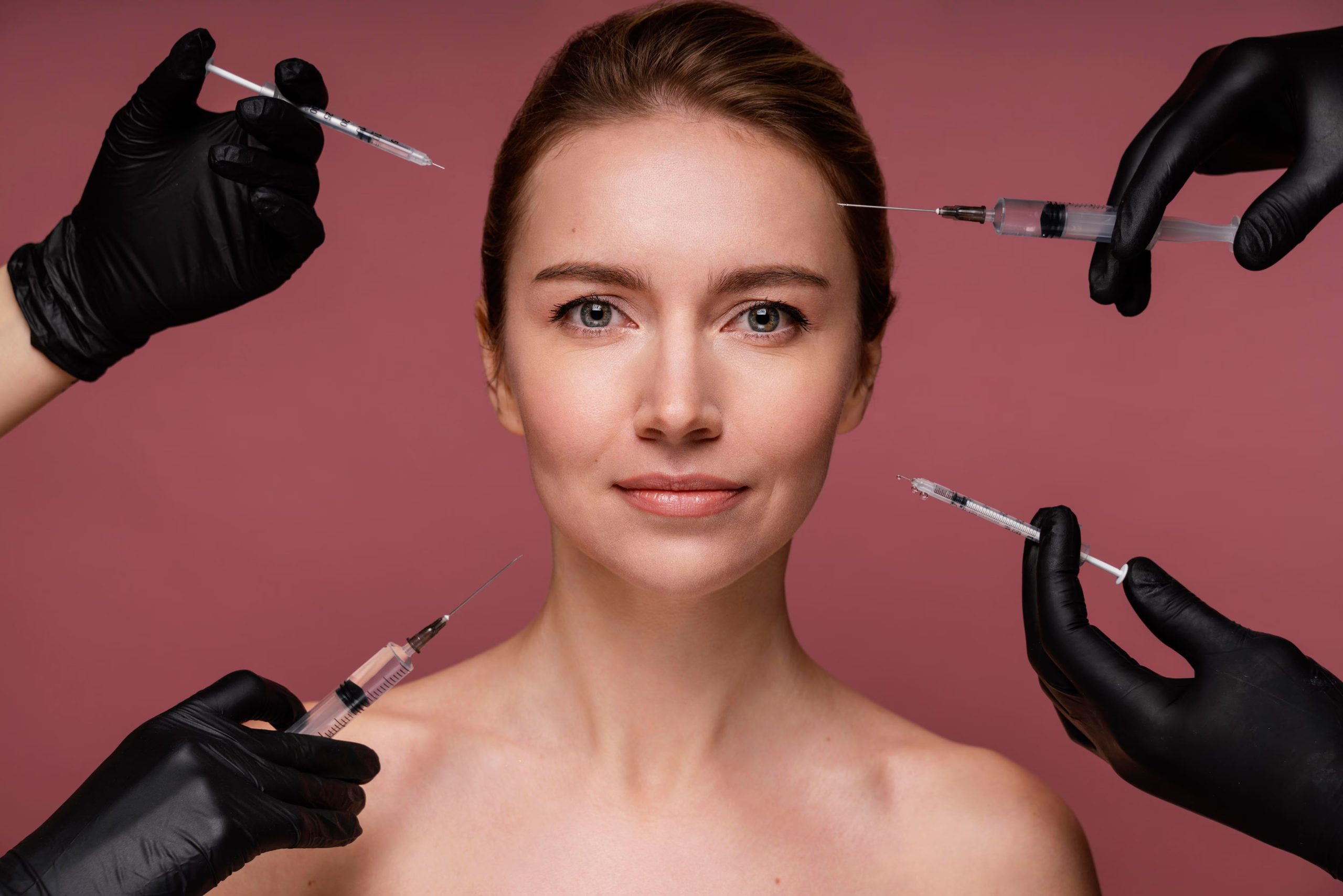
Glutathione Injections Under Scrutiny After Shefali Jariwala’s Death: Are They Really Safe?
Glutathione The tragic and unexpected death of actress and model Shefali Jariwala has left the entertainment world in shock. Known widely as the “Kaanta Laga girl”, Shefali was a vibrant and beloved figure in Indian pop culture. But in the aftermath of her sudden demise, the spotlight has turned toward a controversial beauty trend she was allegedly involved in — glutathione injections.
Once hailed as a miracle solution for skin lightening and detoxification, glutathi one injections are now being questioned for their safety, side effects, and long-term impact on health. In this blog, we dive deep into what glutathione is, why it became a popular cosmetic trend, and what three reputed doctors have to say about its usage and risks.
Who Was Shefali Jariwala?
Shefali Jariwala rose to fame in the early 2000s with the iconic music video “Kaanta Laga”, becoming a household name. Over the years, she remained in the public eye through reality shows like Bigg Boss, and was admired for her fitness, glowing skin, and youthful appearance.
But recently, rumors surfaced about her use of skin-lightening treatments, particularly glutathione injections — an allegation that has fueled massive public discourse after her untimely death.
While her exact cause of death is still under investigation, her connection to glutathione therapy has raised eyebrows — and legitimate health concerns.
What is Glutathione?
Glutathione is a natural antioxidant found in the body. It’s made up of three amino acids: cysteine, glutamine, and glycine. Its main roles include:
- Neutralizing free radicals
- Supporting immune function
- Detoxifying the liver
- Repairing cells and tissues
- Reducing oxidative stress
Naturally produced by the liver, glutathione levels drop with age, stress, illness, and exposure to toxins — which is why some people seek supplements or injections to boost its levels.
Why Is Glutathione Popular in the Beauty Industry?
In the beauty and cosmetic world, glutathione injections are marketed for one primary purpose: skin lightening.
Here’s how it allegedly works:
- Glutathione suppresses the enzyme tyrosinase, which is involved in melanin production.
- By reducing melanin synthesis, the skin appears lighter, brighter, and more even-toned over time.
As a result, many celebrities and influencers — especially in Asia — have opted for IV glutathione treatments to enhance their skin complexion. These are often paired with vitamin C to “enhance” the skin-lightening effect.
But is it all safe? Or is it a ticking time bomb?

What the Experts Say: 3 Doctors Break It Down
We spoke with three leading medical experts — a dermatologist, a toxicologist, and a plastic surgeon — to understand the science and the risks involved.
🩺 Dr. Priya Khurana – Dermatologist (Mumbai)
“Glutathione is a powerful antioxidant and has some real therapeutic potential, but its use for skin lightening is not FDA-approved and remains highly controversial.”
Her concerns include:
- No standardized dosage in beauty clinics
- Long-term safety unknown
- Risk of allergic reactions and liver toxicity
Dr. Khurana adds that topical treatments and oral antioxidants are safer alternatives if one is looking for skin improvement.
🧪 Dr. Anand Deshmukh – Toxicologist (AIIMS, Delhi)
“Anything that alters melanin production systemically should be handled with utmost caution. Melanin is not a flaw — it’s your body’s natural protection against UV rays.”
His warnings:
- Glutathione injections can cause kidney and liver damage over time.
- Some unregulated vials may contain impurities or steroids.
- Potential to mask serious conditions like lupus or vitiligo.
He stresses that the obsession with fairness is a social problem, not a medical one.
🩻 Dr. Sana Qureshi – Aesthetic & Cosmetic Surgeon (Hyderabad)
“Most clients come in asking for ‘brightening’ or ‘glow’ — but they have no idea what they’re injecting. The demand for glutathione is consumer-driven, not medically recommended.”
Dr. Qureshi also shares real-life cases of patients:
- Developing rashes and skin peeling
- Experiencing hormonal imbalances
- Needing hospitalization due to injection site infections
What Are the Known Side Effects of Glutathione Injections?
While some people report smoother, clearer skin, the possible side effects include:
| Short-Term Effects | Long-Term Effects |
|---|---|
| Nausea | Liver damage |
| Headaches | Kidney failure |
| Skin rashes | Hormonal disruption |
| Abdominal cramps | Loss of skin pigment |
| Allergic reactions | Dependency |
Legal and Regulatory Status Around the World
- India: No specific regulation by CDSCO for glutathione injections as of now, but many clinics still offer it under “wellness therapy.”
- USA: The FDA has not approved glutathione for skin lightening.
- Philippines & Thailand: Extremely popular, but increasingly under government watch.
- Europe: Highly restricted or banned in many countries due to lack of data.
Social Media’s Role in Promoting Glutathione
Instagram, TikTok, and YouTube have played a huge part in glamorizing glutathione as a shortcut to “glow-up.” Influencers post before-after transformations with hashtags like:
- #SkinWhitening
- #GlutathioneGlow
- #IVBeautyBoost
But very few discuss the side effects or risks — leading to misinformation and unrealistic expectations, especially among young users.
The Obsession with Fairness: A Dangerous Trend
The Shefali Jariwala case, if linked to glutathione, is not just about a celebrity’s personal choice — it is a reflection of societal pressure. In many parts of India, fair skin is still equated with beauty, success, and acceptance.
This outdated mindset:
- Drives people to take unnecessary health risks
- Fuels an unregulated beauty industry
- Undermines body positivity and self-worth

What Should You Do Instead?
If you’re concerned about your skin health or complexion, here are safe and dermatologist-approved alternatives:
✅ Maintain a consistent skincare routine
✅ Use broad-spectrum sunscreen daily
✅ Include antioxidant-rich foods (like berries, green tea, and citrus)
✅ Stay hydrated and sleep well
✅ Consider topical products with niacinamide, kojic acid, and vitamin C
For those facing skin conditions like melasma or hyperpigmentation, it’s best to consult a qualified dermatologist rather than opting for risky injections.
Conclusion: Is It Worth the Risk?
The tragic death of Shefali Jariwala has reignited a vital conversation around the safety of glutathione injections. While no official link has been confirmed yet, her passing serves as a cautionary tale for those chasing quick-fix beauty solutions.
As our experts pointed out — glutathione may have medical uses, but its promotion as a cosmetic miracle is unregulated, untested, and potentially unsafe.
Beauty should never come at the cost of life.
Final Word
If you’re considering glutathione therapy, ask yourself:
- Is it medically necessary?
- Is the clinic certified and the product safe?
- Am I fully informed of the risks?
Let Shefali’s story — whether directly linked or not — be a wake-up call to choose health and safety over cosmetic quick fixes.

