
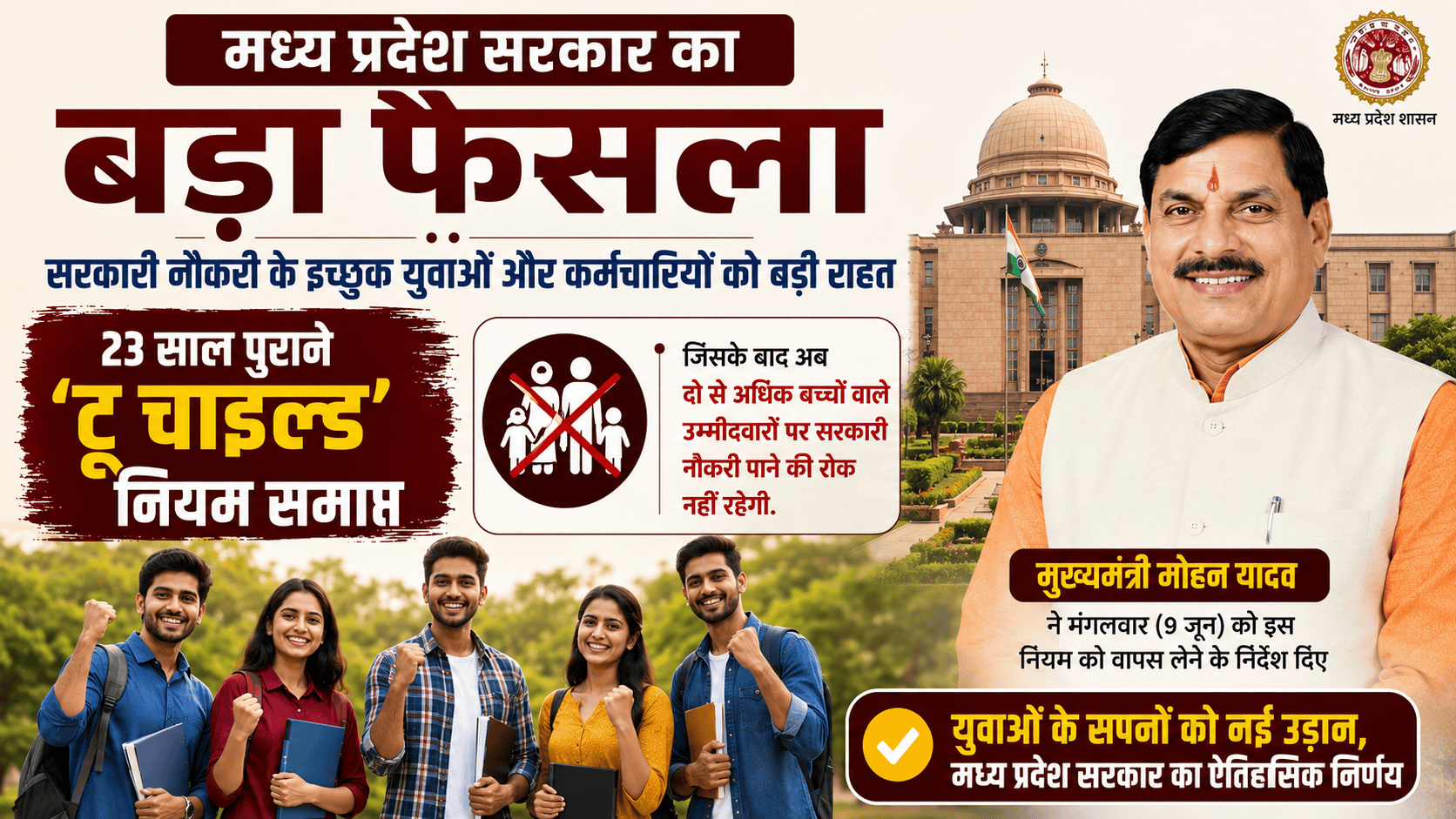
MP Government Scraps 23-Year-Old Two-Child Rule: Major Relief for Government Job Aspirants and Employees
MP Government Removes Two-Child Rule After 23 Years
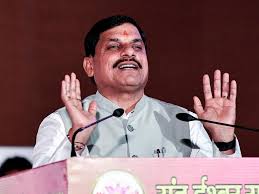
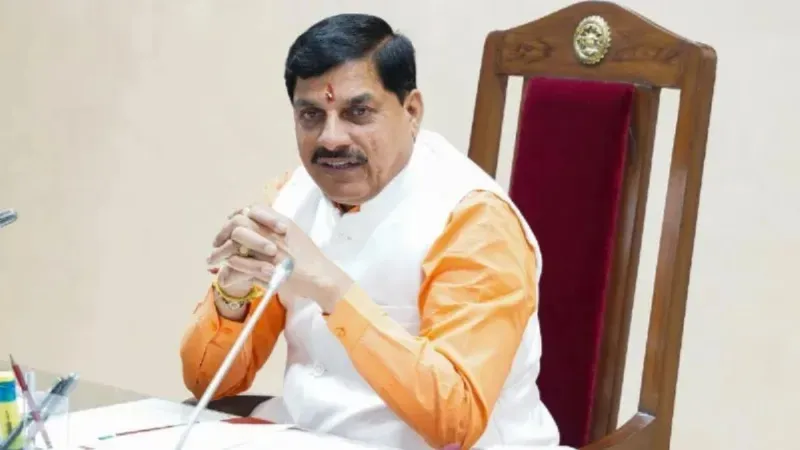
In a landmark decision that has brought happiness to thousands of families across the state, the Madhya Pradesh government has abolished the controversial two-child rule that had been in place for nearly 23 years. The decision was announced under the leadership of Chief Minister Mohan Yadav, who directed officials on June 9 to withdraw the policy that prevented individuals with more than two children from obtaining government jobs.
The move has been widely welcomed by government employees, job seekers, social organizations, and political observers. Many believe that MP Gov give a relief to a large section of society that had long demanded the removal of the rule.
The decision marks a significant shift in the state’s recruitment and employment policies and is expected to positively impact thousands of aspiring candidates preparing for various government examinations.
What Was the Two-Child Rule?
The two-child norm was introduced in Madhya Pradesh around 2003 with the objective of encouraging population control. Under this policy, individuals who had more than two children after a specified date were considered ineligible for certain government jobs and public positions.
The rule applied to candidates seeking recruitment in various government departments and also affected eligibility for some elected positions. Authorities believed the policy would encourage smaller families and contribute to population stabilization.
However, over the years, the rule became a subject of intense debate. Critics argued that it unfairly punished individuals for personal family decisions and restricted employment opportunities.
With the latest decision, MP Gov give a relief to candidates who were previously excluded from government recruitment due to family size.
Chief Minister Mohan Yadav’s Decision
Chief Minister Mohan Yadav has consistently emphasized youth welfare, employment generation, and administrative reforms. During a review of various state policies, the government decided that the two-child norm was no longer suitable in the present social and economic environment.
On June 9, the Chief Minister instructed officials to formally withdraw the rule, paving the way for candidates with more than two children to apply for government jobs without facing disqualification.
Political analysts say the decision reflects the government’s intention to create a more inclusive recruitment system. Supporters argue that MP Gov give a relief by removing a barrier that affected many deserving candidates.
Why Was the Rule Removed?
Several factors reportedly influenced the government’s decision:
1. Changing Social Realities
Family structures and social conditions have changed significantly over the last two decades. Policymakers felt that employment opportunities should not be denied based solely on the number of children in a family.
2. Equal Opportunity
Many legal experts argued that the rule restricted equal access to public employment. By abolishing the norm, the government aims to ensure a fair recruitment process.
3. Youth Employment
One of the biggest concerns in the state is employment generation. The government believes that more candidates should have the opportunity to compete for government jobs based on merit rather than family size.
This is another reason why many people feel that MP Gov give a relief to thousands of unemployed youth.
4. Administrative Simplicity
The rule often required verification processes and documentation that complicated recruitment procedures. Removing it is expected to simplify administration.
Impact on Government Job Aspirants
The biggest beneficiaries of the decision will undoubtedly be young people preparing for government jobs.
Every year, lakhs of candidates appear for examinations conducted by state agencies. Some candidates previously faced uncertainty because of the two-child criterion. With the rule abolished, these concerns have been eliminated.
For many families, MP Gov give a relief that restores hope and confidence among candidates who feared losing opportunities despite possessing the necessary qualifications and skills.
Recruitment experts believe the change will increase participation in competitive examinations and improve access to public employment.
Positive Reactions from Youth
Students and competitive exam aspirants have largely welcomed the announcement.
Many candidates stated that employment should depend on educational qualifications, merit, and performance rather than personal family circumstances.
Several coaching institutes across Madhya Pradesh reported enthusiastic reactions from students following the announcement. According to many aspirants, MP Gov give a relief that removes an unnecessary obstacle from their career path.
Social media platforms were also flooded with messages supporting the government’s decision.
Relief for Government Employees
The policy change is not only beneficial for future applicants but also provides reassurance to existing government employees.
Employees who were concerned about career implications related to family size have welcomed the move. Some employee organizations described the decision as progressive and practical.
Observers note that MP Gov give a relief to employees by eliminating fears associated with compliance and eligibility concerns under the old framework.
Legal and Constitutional Perspective
Legal experts have often debated the validity of population-based eligibility restrictions.
While courts in different cases have upheld certain population-control measures, many scholars argued that employment opportunities should primarily be based on competence and qualifications.
The removal of the rule aligns with the view that public employment should remain accessible to all eligible citizens. Consequently, many commentators believe MP Gov give a relief that supports principles of fairness and equal opportunity.
Political Significance of the Decision
The move also carries political significance.
Governments frequently introduce reforms aimed at addressing public concerns and improving governance. The decision to remove the two-child norm is likely to resonate with a broad segment of society.
Political analysts suggest that MP Gov give a relief that could strengthen public goodwill among families, youth, and government employees.
The announcement comes at a time when employment and welfare issues remain important priorities for voters.
Public Response Across Madhya Pradesh
Public reactions have generally been positive.
Many citizens believe the rule had become outdated and no longer reflected present-day realities. Families affected by the norm have expressed gratitude for the policy change.
Community leaders have also praised the government for listening to public concerns. According to many residents, MP Gov give a relief that demonstrates responsiveness to the needs of ordinary citizens.
The decision has sparked discussions across districts, educational institutions, and professional organizations.

Comparison with Other States
Different states in India have adopted varying approaches toward population-control policies.
Some states introduced restrictions related to local body elections or government benefits, while others avoided such measures altogether.
Madhya Pradesh’s decision to abolish the two-child rule may encourage fresh debates in other regions regarding the effectiveness and fairness of similar policies.
Supporters of the move argue that MP Gov give a relief that could serve as an example for states reviewing comparable regulations.
Employment Opportunities Expected to Increase
Recruitment specialists believe the policy change could increase the pool of eligible candidates for government positions.
A broader applicant base may lead to greater competition and improved talent selection. Government departments will be able to recruit candidates based purely on merit and performance.
For unemployed youth, MP Gov give a relief that expands access to career opportunities and reduces concerns about eligibility restrictions.
Social Impact of the Reform
Beyond employment, the decision may have wider social implications.
Many families previously felt stigmatized because of the rule. Removing it could help reduce social pressures and anxieties linked to government recruitment.
Social workers suggest that MP Gov give a relief that promotes inclusiveness and respects personal family choices.
The reform is being viewed as a step toward balancing public policy objectives with individual rights.
What Happens Next?
Following the Chief Minister’s directive, relevant government departments will update recruitment guidelines and administrative regulations.
Future recruitment notifications are expected to reflect the new policy. Candidates who were previously ineligible due to the two-child norm should now be able to participate in recruitment processes, subject to other eligibility requirements.
This transition phase will be closely monitored by applicants and officials alike.
Challenges and Criticism
Although the decision has received widespread support, some critics argue that population-control measures remain important.
They believe governments should continue promoting awareness about family planning and responsible population management. However, supporters counter that employment restrictions are not the most effective way to achieve these goals.
Despite differing opinions, many observers agree that MP Gov give a relief that addresses long-standing concerns among job aspirants.
Expert Opinions
Policy experts have offered mixed assessments.
Some consider the reform a positive step toward fairness and inclusivity. Others emphasize the importance of maintaining awareness campaigns related to population stabilization.
Nevertheless, most experts acknowledge that the decision will significantly affect government recruitment and employment opportunities.
Several analysts remarked that MP Gov give a relief that reflects changing priorities in governance and public administration.
A New Era for Recruitment Policy
The abolition of the two-child rule represents a major shift in Madhya Pradesh’s employment framework.
The state is moving toward a system where qualifications, talent, and performance become the primary factors in recruitment decisions.
This transformation is expected to benefit thousands of candidates across urban and rural regions.
As discussions continue, many citizens feel that MP Gov give a relief that strengthens confidence in government recruitment processes.
Conclusion
The Madhya Pradesh government’s decision to scrap the 23-year-old two-child rule marks a historic moment in the state’s administrative and employment policies. Under the leadership of Chief Minister Mohan Yadav, the government has removed a regulation that affected the career prospects of many citizens for more than two decades.
The reform is expected to open doors for thousands of aspiring government employees, simplify recruitment procedures, and promote equal opportunity. While debates regarding population-control strategies may continue, the overwhelming response from job seekers and employee groups has been positive.
For countless families across the state, the message is clear: MP Gov give a relief by ending a long-standing restriction and creating new possibilities for government employment. The decision reflects a broader commitment to fairness, inclusiveness, and youth empowerment.
As Madhya Pradesh moves forward with updated recruitment policies, the impact of this reform is likely to be felt for years to come. For aspiring candidates dreaming of a government career, the removal of the two-child norm represents a fresh beginning and renewed hope for the future.
Read more latest news

