
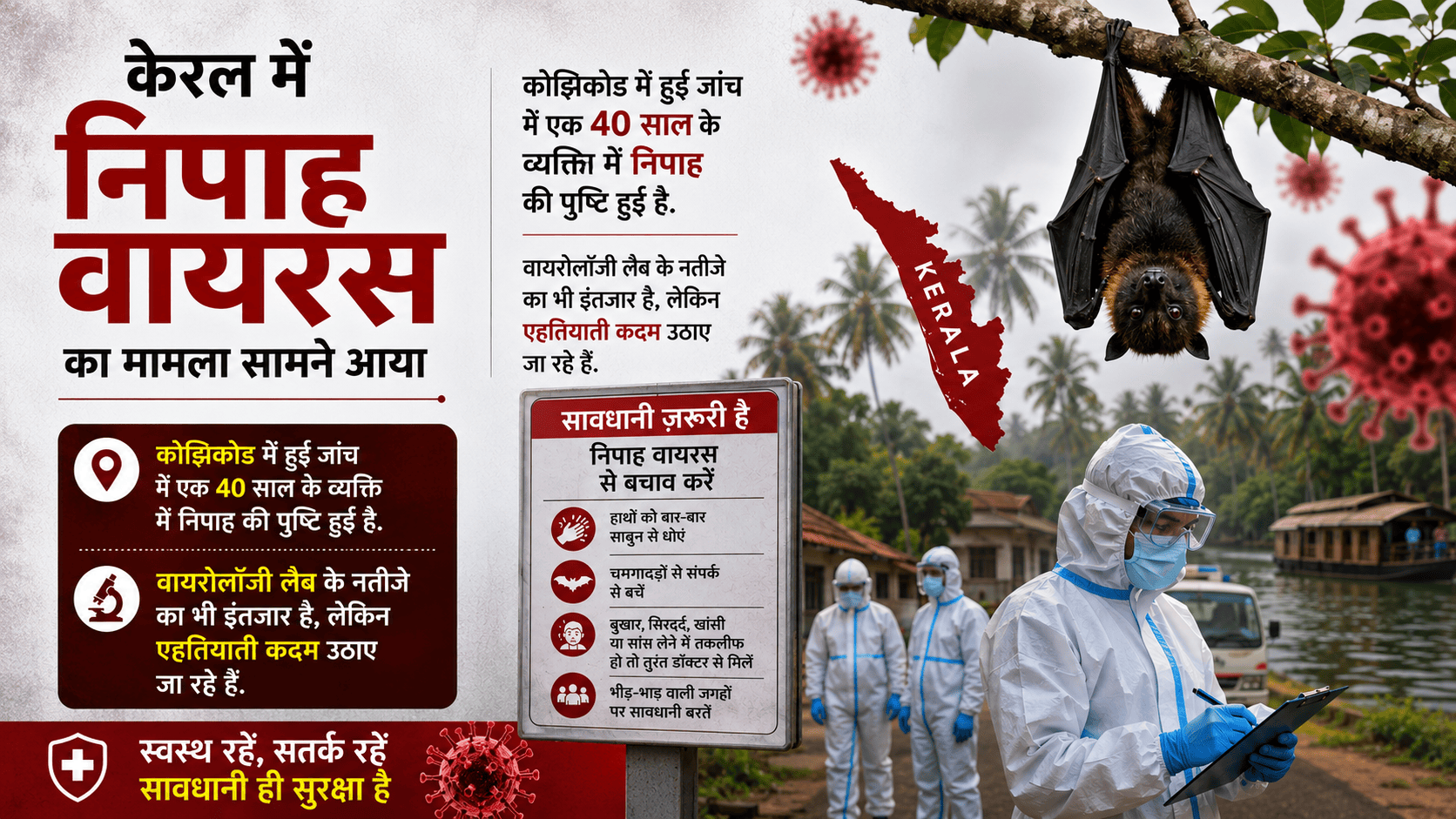
A case of the Nipah virus in kerala Confirmed: Kerala Intensifies Safety Measures
The confirmation that A case of the Nipah virus in kerala has emerged once again highlights the importance of rapid response systems and public awareness.
The confirmation of a Nipah virus infection in Kerala has once again raised concerns among health officials and the public. According to reports, tests conducted in Kozhikode have confirmed the infection in a 40-year-old man. Although final confirmation from the virology laboratory is still awaited, authorities have already begun implementing precautionary measures to prevent any possible spread of the deadly virus.
The development has attracted nationwide attention because Kerala has previously faced multiple Nipah virus outbreaks and has gained experience in handling such public health emergencies. Nevertheless, every new case demands immediate action, strict surveillance, and public cooperation.
A case of the Nipah virus in kerala Raises Fresh Concerns
Health officials confirmed that A case of the Nipah virus in kerala has been detected in Kozhikode district. The patient, a 40-year-old man, is currently under medical observation, and authorities are closely monitoring his condition.
The state health department has initiated contact tracing and surveillance activities in the surrounding areas. Medical teams are identifying individuals who may have come into contact with the infected person to ensure early detection of any potential infections.
What is Nipah Virus?
Nipah virus is a highly infectious zoonotic virus that can spread from animals to humans and, in some situations, from person to person. Fruit bats, particularly those belonging to the Pteropus species, are considered the natural hosts of the virus.
The infection can cause severe respiratory illness and encephalitis, which is inflammation of the brain. The mortality rate associated with Nipah virus is significantly higher than many other viral infections, making it a major public health concern.
Following reports that A case of the Nipah virus in kerala has been identified, experts have emphasized the need for caution and awareness rather than panic.
Symptoms of Nipah Virus Infection
The symptoms of Nipah virus infection may vary from mild to severe. Common symptoms include:
- Fever
- Headache
- Muscle pain
- Vomiting
- Sore throat
- Dizziness
- Respiratory difficulties
- Altered mental status
In severe cases, patients may develop encephalitis, seizures, and coma.
As health authorities investigate A case of the Nipah virus in kerala, hospitals have been advised to remain vigilant for patients showing similar symptoms.
How Does Nipah Virus Spread?
The virus can spread through several routes, including:
- Direct contact with infected animals.
- Consumption of contaminated fruits or fruit products.
- Exposure to bodily fluids of infected individuals.
- Close contact with infected patients in healthcare settings.
The detection of A case of the Nipah virus in kerala has prompted officials to review infection-control measures across healthcare facilities.

Kerala’s Experience in Handling Nipah Outbreaks
Kerala has dealt with Nipah virus outbreaks in the past and has earned recognition for its swift response and effective containment strategies. The state’s healthcare infrastructure has developed protocols specifically designed to manage such situations.
Whenever A case of the Nipah virus in kerala is reported, authorities quickly activate surveillance networks, isolation facilities, and emergency response teams.
Previous outbreaks demonstrated the importance of community cooperation, early diagnosis, and transparent communication.
Government Takes Immediate Precautionary Measures
After confirmation that A case of the Nipah virus in kerala had been detected, the health department immediately initiated preventive measures.
These include:
- Isolation of the patient.
- Identification and monitoring of contacts.
- Enhanced surveillance in nearby areas.
- Hospital preparedness measures.
- Public awareness campaigns.
Authorities are also coordinating with central health agencies to ensure that all necessary resources are available.
Contact Tracing Underway
Contact tracing is considered one of the most important tools in controlling infectious disease outbreaks. Since A case of the Nipah virus in kerala has been confirmed, teams are working to identify family members, friends, healthcare workers, and others who may have interacted with the patient.
Individuals identified as close contacts may be advised to undergo observation or testing depending on their exposure risk.
The objective is to detect any potential secondary infections at the earliest possible stage.
Importance of Public Awareness
Experts emphasize that awareness is critical whenever A case of the Nipah virus in kerala comes to light.
The public is advised to:
- Avoid consuming fruits that appear partially eaten by animals.
- Maintain proper hygiene practices.
- Report unusual symptoms promptly.
- Follow official health advisories.
- Avoid spreading rumors on social media.
Accurate information helps prevent panic while encouraging responsible behavior.
Hospitals on Alert
Healthcare facilities across the region have been instructed to strengthen infection-control practices following reports that A case of the Nipah virus in kerala has been detected.
Medical staff are being reminded about:
- Use of personal protective equipment.
- Isolation procedures.
- Safe handling of patient samples.
- Monitoring of suspected cases.
Preparedness at healthcare institutions is essential to minimize transmission risks.
Scientific Investigation Continues
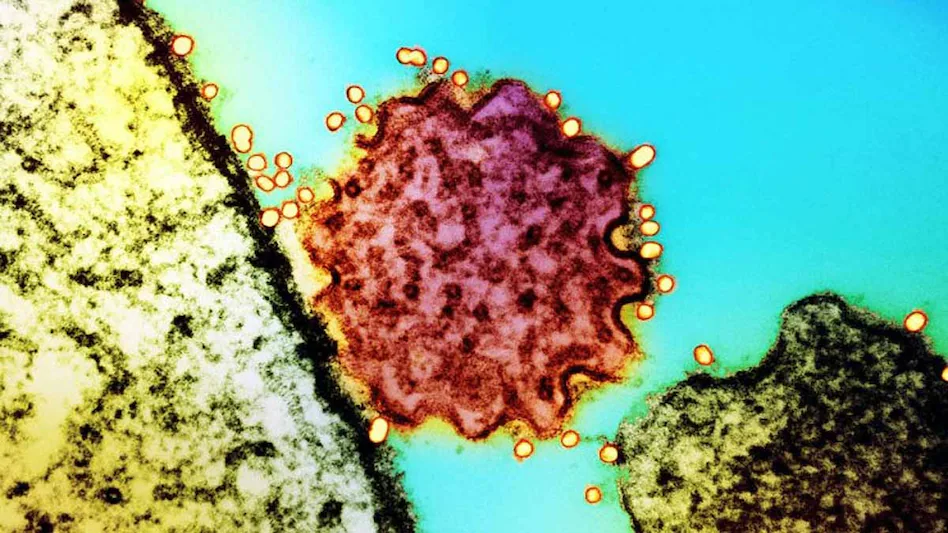
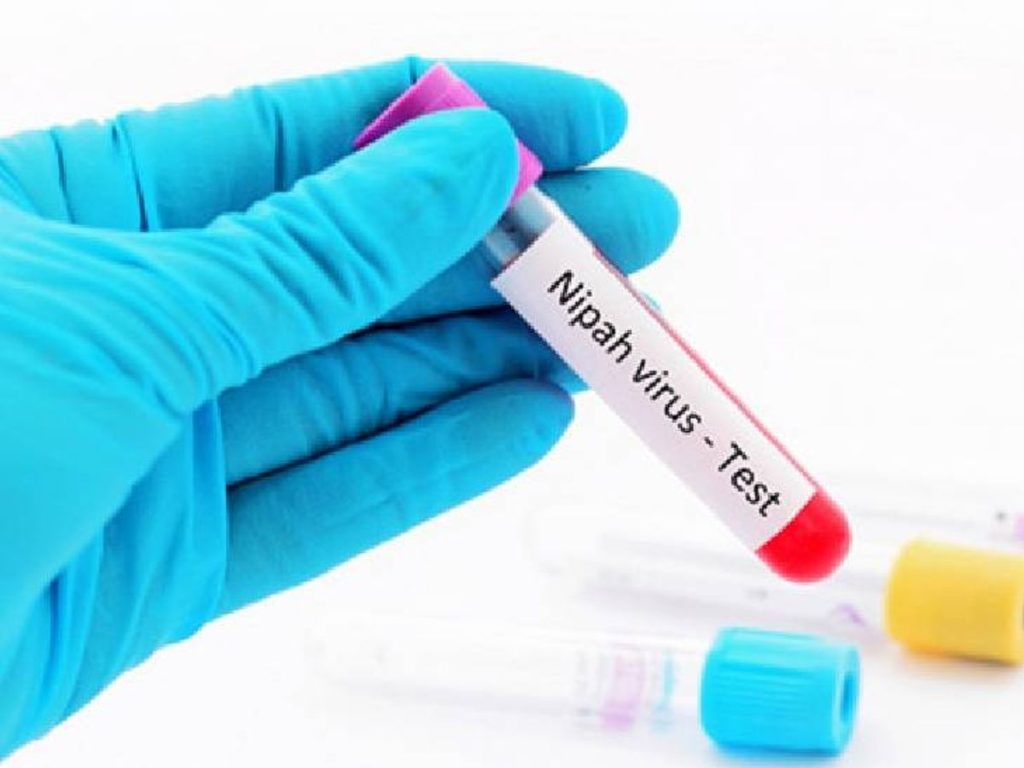
Although preliminary tests have indicated infection, additional laboratory analysis is still underway. Scientists are studying the patient’s samples to gather more information about the virus and its characteristics.
The confirmation that A case of the Nipah virus in kerala has emerged underscores the importance of continuous research and surveillance.
Researchers continue to investigate how outbreaks begin and how they can be prevented in the future.
Impact on Local Communities
News that A case of the Nipah virus in kerala has been identified has naturally generated concern among local residents.
However, public health experts stress that fear should not replace facts. Communities are encouraged to cooperate with health officials and comply with recommendations issued by authorities.
Community participation often plays a crucial role in outbreak containment.
Lessons Learned from Previous Outbreaks
Kerala’s past experiences provide valuable lessons for managing the current situation. Earlier outbreaks demonstrated that:
- Early detection saves lives.
- Contact tracing is critical.
- Isolation measures are effective.
- Public communication reduces misinformation.
- Healthcare preparedness improves outcomes.
These lessons are being applied once again after A case of the Nipah virus in kerala was reported.
National Attention on Kerala
The emergence of A case of the Nipah virus in kerala has drawn attention from health experts across India.
Central agencies are monitoring developments closely, while epidemiologists are assessing the situation to determine whether additional interventions may be necessary.
The goal remains to prevent further transmission and protect public health.
What Citizens Should Do
In light of reports that A case of the Nipah virus in kerala has been confirmed, citizens should remain alert but calm.
Key recommendations include:
- Follow updates from official health authorities.
- Maintain hand hygiene.
- Seek medical care if symptoms develop.
- Avoid unnecessary panic.
- Cooperate with surveillance teams if contacted.
Responsible behavior can significantly assist containment efforts.
Conclusion
The confirmation that A case of the Nipah virus in kerala has been detected in a 40-year-old man in Kozhikode serves as a reminder of the ongoing challenges posed by emerging infectious diseases. While laboratory investigations continue, authorities have already activated precautionary measures designed to prevent further spread.
Kerala’s experience in managing previous outbreaks, combined with rapid response mechanisms and public cooperation, provides confidence that the situation can be effectively monitored and controlled. Health officials continue to urge vigilance, awareness, and adherence to safety guidelines.
As more information becomes available, authorities will provide updates to ensure that citizens remain informed and protected. The current focus remains on patient care, contact tracing, surveillance, and preventing additional infections while maintaining public confidence and safety.
Read more latest news

