
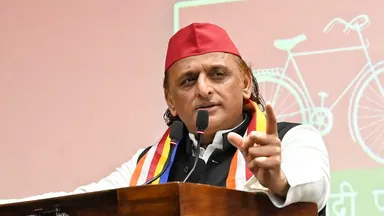
Press Conference in Kannauj: Akhilesh Yadav Targets BJP Over “Empty Cylinder” Promises
statement made by Akhilesh Yadav during a press conference in Kannauj. The political atmosphere in Uttar Pradesh has once again heated up after a sharp and symbolic, Known for his pointed remarks and ability to connect political messaging with everyday issues, the chief of the Samajwadi Party (SP) launched a direct attack on the ruling Bharatiya Janata Party (BJP), questioning the credibility of its election promises.
His statement—“These people can give empty cylinders but they won’t be able to give filled cylinders. Just like they stole from the fertilizer sack, if you get the cylinder measured, it will weigh less.”—quickly became the centerpiece of political discussions across the state. The metaphor, rooted in everyday life, struck a chord with many, especially in rural and semi-urban regions where issues like cooking gas prices and agricultural inputs directly affect livelihoods.
The Context Why Kannauj Matters
The choice of press conference in Kannauj for this press conference was not accidental. Kannauj has historically been a stronghold of the Samajwadi Party and holds symbolic importance for Akhilesh Yadav, both politically and emotionally. The district has seen intense political battles over the years, often reflecting the broader political mood of Uttar Pradesh.
By addressing the media in Kannauj, Akhilesh Yadav aimed to reinforce his party’s grassroots connection while also sending a message to voters ahead of upcoming elections. His remarks were crafted to resonate with the common man—particularly those struggling with rising costs of living.
The Empty Cylinder Remark A Political Metaphor
At the heart of the press conference in Kannauj was the now widely discussed “empty cylinder” analogy. Akhilesh Yadav used this metaphor to criticize the BJP’s welfare schemes, particularly those related to cooking gas distribution.
The reference clearly points toward schemes like LPG distribution initiatives, which have been promoted as major achievements by the Bharatiya Janata Party government. However, Akhilesh Yadav argued that while connections may be provided, the actual benefit—affordable refills—remains out of reach for many families.

His statement suggests a deeper critique: press conference in Kannauj
- Symbolic delivery vs real benefit
- Announcement vs implementation
- Visibility vs affordability
The idea of an “empty cylinder” captures a perceived gap between promise and reality.
Fertilizer Sack Allegation Expanding the Criticism
The second part of his statement—“Just like they stole from the fertilizer sack…”—brought farmers into the conversation. By invoking fertilizer shortages or alleged irregularities, Akhilesh Yadav expanded his critique beyond urban households to include rural voters.
Agriculture remains a central issue in Uttar Pradesh politics. By linking cooking gas issues with fertilizer concerns, the SP chief effectively targeted two key voter groups:
- Rural farmers
- Lower and middle-income households
This dual focus demonstrates a strategic political approach aimed at broadening appeal.
Political Strategy Behind the Statement
The press conference in Kannauj was not just about criticism—it was a carefully crafted political move. Akhilesh Yadav has consistently positioned himself as a leader who speaks for the common people, and this remark fits that narrative perfectly.
Key Elements of His Strategy:
1. Use of Simple Language
Instead of complex policy discussions, he used everyday examples—cylinders and fertilizer sacks—that people instantly understand.
2. Emotional Appeal
The statement evokes frustration and dissatisfaction, emotions that often influence voter behavior.
3. Direct Attack on Credibility
Rather than just opposing policies, he questioned the sincerity and effectiveness of BJP promises.
BJP’s Position and Counter-Narrative
While the Bharatiya Janata Party has not always directly responded to such remarks, its broader narrative emphasizes welfare delivery and development.
The BJP highlights:
- Expansion of LPG connections
- Infrastructure development
- Welfare schemes for the poor
From their perspective, schemes are transformative and have improved the quality of life for millions. However, opposition parties like the Samajwadi Party argue that these benefits are either incomplete or unsustainable.

Ground Reality: The LPG Debate
The “empty cylinder” comment taps into a real issue—affordability of LPG refills. While many households now have connections, the rising cost of refills has become a concern.
Key Issues:
- High refill prices
- Irregular usage due to cost
- Return to traditional fuels like wood or coal
By focusing on this issue during the press conference in Kannauj, Akhilesh Yadav highlighted a gap between policy intent and ground reality.
Farmers and Fertilizer Concerns
The fertilizer reference is equally significant. Farmers across Uttar Pradesh have occasionally raised concerns about:
- Availability of fertilizers
- Pricing
- Quality
By mentioning “fertilizer sack theft,” Akhilesh Yadav aimed to reinforce the perception of mismanagement and inefficiency.
Media and Public Reaction
The press conference in Kannauj quickly gained traction across media platforms. Political analysts noted that the statement was:
- Sharp and memorable
- Easily shareable on social media
- Likely to resonate with voters
Supporters of the Samajwadi Party praised the remark as bold and truthful, while BJP supporters dismissed it as political rhetoric.
The Role of Symbolism in Indian Politics
Indian politics has a long tradition of using symbolism to communicate complex ideas. Akhilesh Yadav’s “empty cylinder” remark fits into this tradition.
Similar examples in the past include:
- References to inflation using food items
- Metaphors involving daily household struggles
Such symbolism works because it:
- Simplifies political messaging
- Connects with everyday experiences
- Enhances recall among voters
Electoral Implications
The timing of the press conference in Kannauj suggests a clear electoral strategy. Uttar Pradesh remains one of the most politically significant states in India, and narratives built here often influence national politics.
Potential Impact:
- Strengthening SP’s base in rural areas
- Attracting economically stressed voters
- Challenging BJP’s welfare narrative
The effectiveness of this strategy will depend on how voters perceive their own experiences compared to political claims.
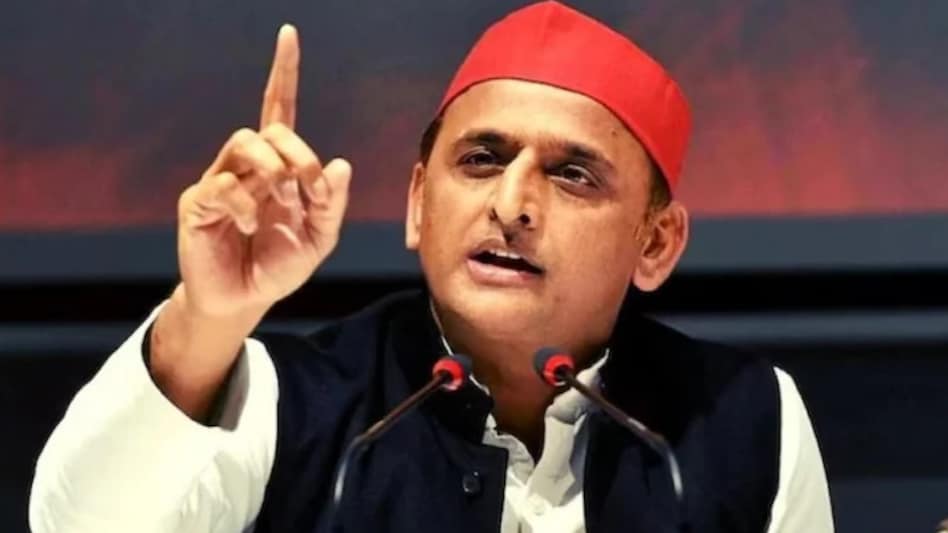
Akhilesh Yadav’s Leadership Style
The Kannauj press conference also reflects the evolving leadership style of Akhilesh Yadav. Over the years, he has shifted from a development-focused narrative to a more aggressive opposition stance.
Characteristics:
- Direct communication
- Focus on livelihood issues
- Use of relatable language
This approach aims to position him as a credible alternative to the BJP.
Broader Political Landscape
The exchange between the Samajwadi Party and the Bharatiya Janata Party reflects a larger trend in Indian politics—intense competition over welfare narratives.
Both parties are trying to:
- Claim credit for development
- Highlight failures of the opponent
- Connect with voters on economic issues
The press conference in Kannauj is a microcosm of this larger battle.
Public Perception and Reality Check
Ultimately, the success of such statements depends on public perception. Voters are increasingly aware and often evaluate claims based on their own experiences.
Questions that voters may consider:
- Are LPG refills affordable?
- Are fertilizers easily available?
- Have government schemes improved daily life?
The answers to these questions will shape electoral outcomes more than political rhetoric alone.
Social Media Amplification
In today’s digital age, statements like the one made during the press conference in Kannauj spread rapidly. Clips, quotes, and memes ensure that the message reaches a wide audience.
This amplification:
- Increases visibility
- Shapes public discourse
- Influences political narratives
Conclusion: A Statement That Resonates
The press conference in Kannauj by Akhilesh Yadav has once again highlighted the power of simple yet impactful political messaging. His “empty cylinder” remark is more than just a criticism—it is a reflection of broader concerns about affordability, implementation, and governance.
As Uttar Pradesh moves toward future elections, such statements will continue to shape the political narrative. Whether they translate into electoral gains will depend on how effectively they align with the lived experiences of voters.
One thing is certain: the press conference in Kannauj has added a new dimension to the ongoing political debate, ensuring that issues like LPG affordability and agricultural inputs remain at the forefront of public discussion.
Read more latest news

