
Jammu and Kashmir Police Crack Down on Terror Networks: Property of Pakistan-Based Terror Operative Attached Under UAPA.
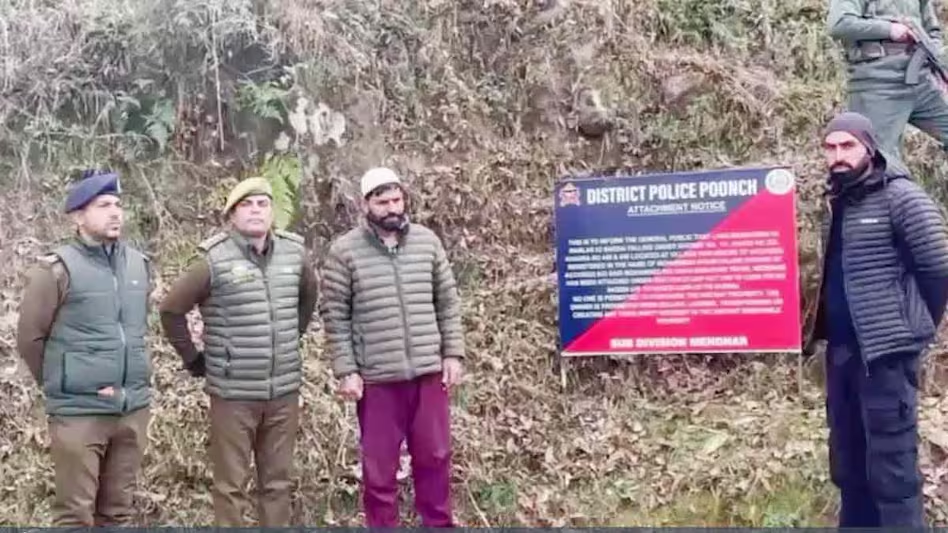
Pakistan commander Rafiq Nai, The fight against terrorism in Jammu and Kashmir has entered a decisive phase, with security agencies intensifying action not only on the battlefield but also on the financial and logistical backbone of terror networks. In a significant move, the Jammu and Kashmir Police have attached the immovable property of a Pakistan-based terrorist handler and launch commander under the Unlawful Activities (Prevention) Act (UAPA). The action took place in the Gursai police station area of Poonch district and is linked to FIR No. 194 of 2024.
The attached property, an agricultural land valued at approximately ₹10 lakh, belongs to Pakistan commander Rafiq Nai, also known by the alias Sultan. This step reflects a strategic shift in counterterrorism operations, focusing on dismantling the ecosystem that enables cross-border terrorism.
Rising Focus on Financial Disruption of Terrorism
In recent years, Indian security agencies have realized that neutralizing terrorists alone is not enough. Terror networks thrive on funding, property holdings, and local support systems. By attaching properties linked to terror operatives, authorities aim to send a strong message: anyone involved in terrorism will face consequences that extend beyond armed encounters.
The attachment of property belonging to Pakistan commander Rafiq Nai is part of this broader strategy. By invoking UAPA provisions, the Jammu and Kashmir Police have demonstrated their intent to choke terror financing channels and discourage local facilitation of cross-border terror activities.
Who Is Rafiq Nai Alias Sultan?
According to intelligence inputs and police records, Rafiq Nai, also known as Sultan, is a Pakistan-based terrorist handler and launch commander. His role involved coordinating infiltration attempts, guiding terrorists across the Line of Control (LoC), and providing logistical support to operatives active in Jammu and Kashmir.
Security agencies have long tracked Pakistan commander Rafiq Nai for his involvement in terror-related activities targeting Indian security forces and civilians. His name has surfaced repeatedly in investigations linked to infiltration routes and terror logistics in the Poonch-Rajouri belt.
Significance of FIR No. 194 of 2024
The action against Pakistan commander Rafiq Nai is linked to FIR No. 194 of 2024, registered under stringent sections of the UAPA. This FIR forms the legal backbone of the property attachment and highlights the seriousness of charges against the accused.
FIR No. 194 of 2024 reportedly includes evidence pointing to cross-border coordination, terror financing, and the use of local assets to support militant activities. The attachment of agricultural land under this FIR reflects the strength of the case built by investigators.
Strategic Importance of Poonch District
Poonch district has long been a sensitive region due to its proximity to the Line of Control. Terror outfits have historically attempted to exploit the rugged terrain and dense forests of this area for infiltration and movement.
The presence of property linked to Pakistan commander Rafiq Nai in the Gursai area underscores how terror networks attempt to maintain roots on the Indian side of the border. By attaching this land, the police have disrupted a potential logistical base that could have been misused for terror-related purposes.
Legal Framework: UAPA and Property Attachment
The Unlawful Activities (Prevention) Act provides authorities with wide-ranging powers to act against individuals and organizations involved in terrorism. Under UAPA, properties linked to terror activities can be seized or attached to prevent their misuse.
In the case of Pakistan commander Rafiq Nai, the attachment of immovable property sends a clear signal that the law will pursue terror operatives across borders, at least financially and legally, even if they are physically based in Pakistan.
Market Value and Symbolic Impact
While the attached agricultural land is valued at around ₹10 lakh, its symbolic importance far outweighs its monetary worth. Terror networks rely on such properties for shelter, logistics, and funding. Losing these assets weakens their operational capabilities.
The action against Pakistan commander Rafiq Nai also acts as a deterrent for others who may be tempted to support or shelter terror operatives, knowingly or unknowingly.
A Message to Terror Ecosystems
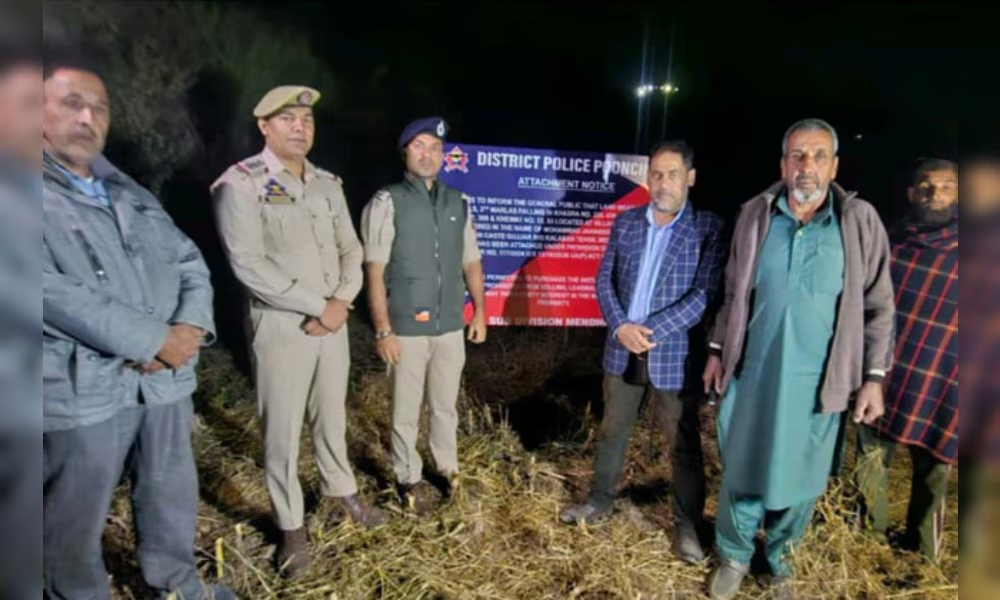
By targeting properties rather than just individuals, the Jammu and Kashmir Police are addressing the wider terror ecosystem. This includes overground workers (OGWs), sympathizers, and facilitators who enable cross-border terrorism.
The crackdown involving Pakistan commander Rafiq Nai demonstrates that no link in the terror chain is beyond scrutiny. From handlers across the border to assets on Indian soil, every element will be targeted.
Enhanced Intelligence and Coordination
Such actions are possible only due to improved intelligence gathering and inter-agency coordination. Inputs from central agencies, local police, and intelligence units have played a crucial role in building cases strong enough to withstand legal scrutiny.
The successful attachment of property linked to Pakistan commander Rafiq Nai reflects months of surveillance, verification of land records, and legal vetting to ensure that the action complies fully with UAPA provisions.
Impact on Local Security Environment
The move is expected to have a positive impact on the local security environment in Poonch district. Residents gain confidence when they see concrete action against terror-linked assets, reinforcing trust in law enforcement agencies.
At the same time, the case of Pakistan commander Rafiq Nai serves as a warning to those who may be providing covert support to terror groups.
Countering Cross-Border Terrorism
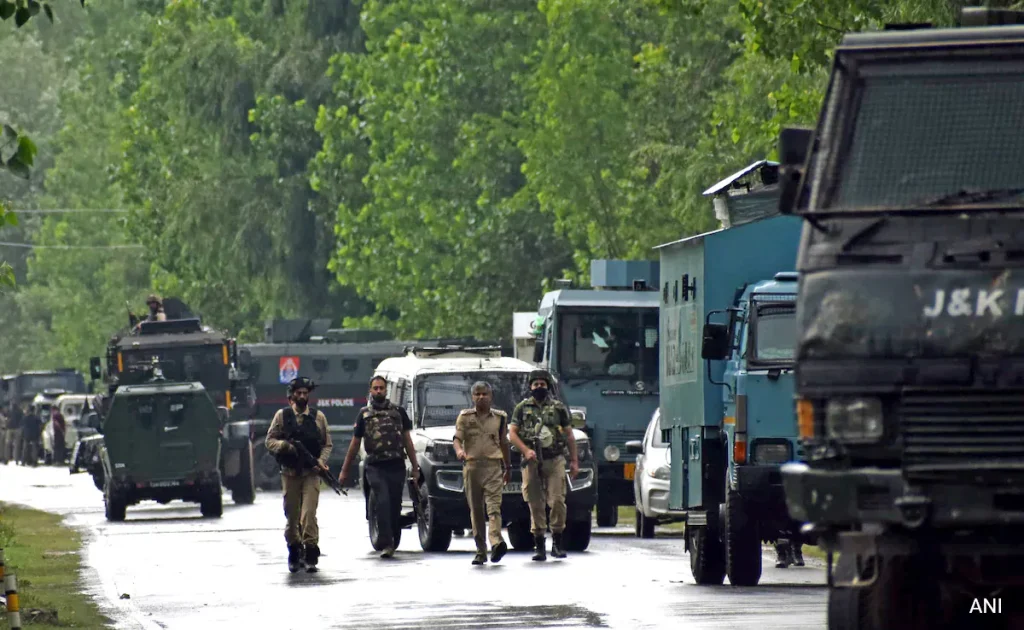
India has consistently raised concerns about Pakistan-based terror handlers operating against Indian interests. Cases like this provide tangible evidence of cross-border terrorism and strengthen India’s position on international platforms.
The attachment of property belonging to Pakistan commander Rafiq Nai highlights how terror activities are not confined to borders but have direct links and consequences within Indian territory.
A Shift From Reactive to Proactive Policing
Traditionally, counterterrorism was largely reactive, responding to attacks after they occurred. Today, actions like property attachment under UAPA show a proactive approach aimed at prevention.
By acting against Pakistan commander Rafiq Nai before further damage could be caused, the Jammu and Kashmir Police have demonstrated foresight and strategic planning.
Legal Safeguards and Due Process
It is important to note that property attachment under UAPA follows due legal process. Authorities must present evidence, follow procedural safeguards, and ensure transparency.
In the case involving Pakistan commander Rafiq Nai, officials have confirmed that all legal norms were followed, making the action robust against potential legal challenges.
Broader Implications for Terror Networks
When terror operatives lose their assets, it impacts morale and operational planning. Financial insecurity makes it harder for handlers to recruit, train, and deploy operatives.
The action against Pakistan commander Rafiq Nai is likely to have ripple effects across terror networks operating in the region.
Community Role in Counterterrorism
Local communities play a crucial role in defeating terrorism. Awareness about the consequences of supporting terror networks can discourage collaboration.
The case of Pakistan commander Rafiq Nai reinforces the idea that even indirect involvement can lead to severe legal consequences.
Government’s Zero-Tolerance Policy
The Government of India has repeatedly emphasized a zero-tolerance policy towards terrorism. Actions like property attachment under UAPA align perfectly with this stance.
By targeting Pakistan commander Rafiq Nai, authorities have reiterated that terrorism, in any form, will not be tolerated.
Strengthening the Rule of Law
Beyond security considerations, such actions strengthen the rule of law. They show that legal mechanisms are capable of addressing complex challenges like cross-border terrorism.
The case involving Pakistan commander Rafiq Nai demonstrates how law enforcement can use existing laws effectively to safeguard national security.
Future Course of Action
Security agencies are expected to continue identifying and attaching properties linked to terror operatives and their networks. Financial investigations will likely become even more central to counterterrorism strategies.
The precedent set by the action against Pakistan commander Rafiq Nai may pave the way for similar measures against other terror handlers.
Conclusion
The attachment of immovable property belonging to a Pakistan-based terrorist handler and launch commander under UAPA marks a significant milestone in Jammu and Kashmir’s counterterrorism efforts. Linked to FIR No. 194 of 2024, the action underscores a comprehensive approach that targets not just individuals but the infrastructure supporting terrorism.
By moving decisively against Pakistan commander Rafiq Nai, the Jammu and Kashmir Police have sent a powerful message: terrorism will be confronted on every front—military, financial, legal, and social. As India continues to strengthen its internal security framework, such measures will play a crucial role in ensuring long-term peace and stability in the region.
Read More latest news

