
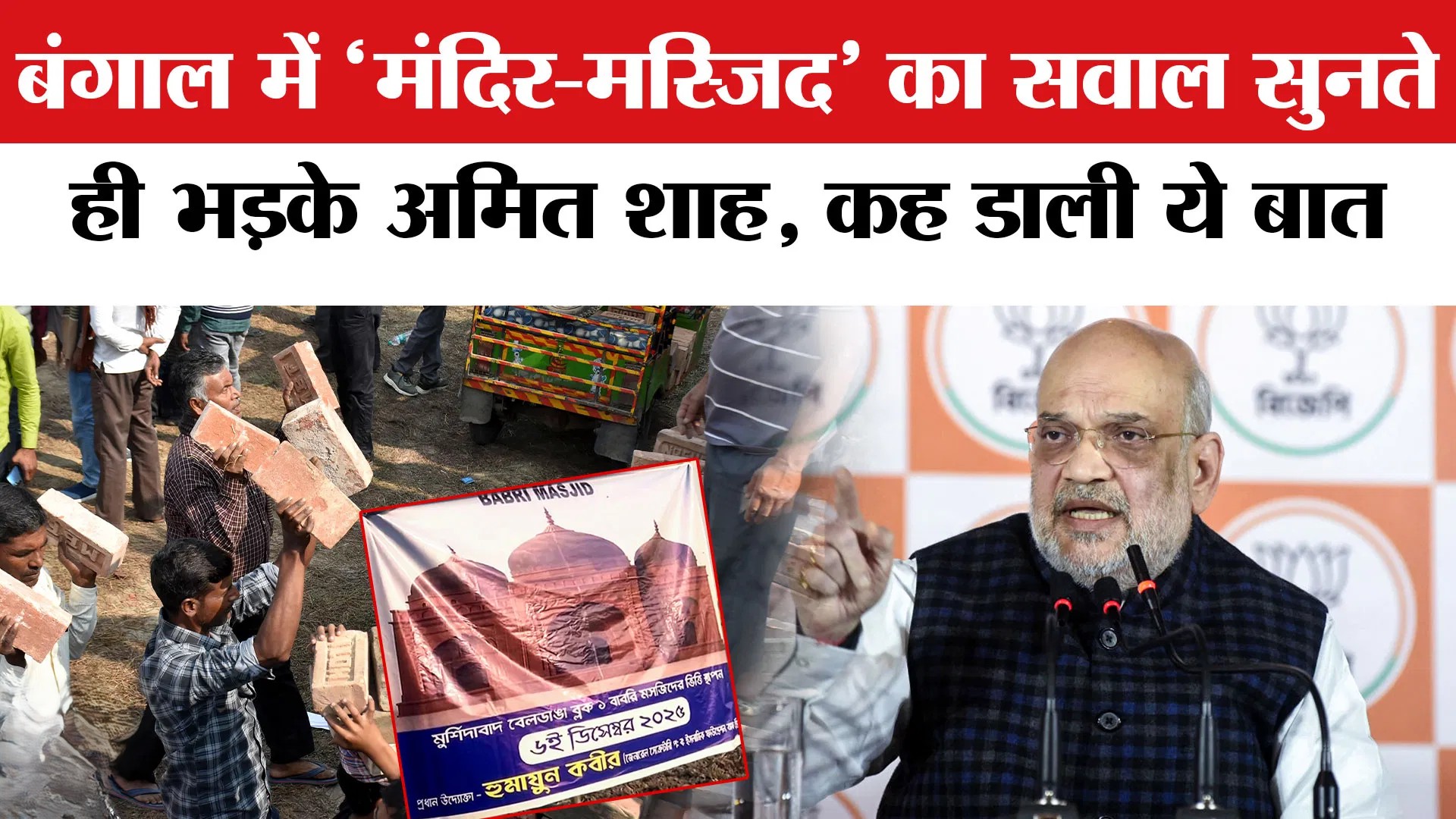
Wrong Address, Right Question: Amit Shah’s Reply to a Reporter and the Deeper Temple–Mosque Debate
temple mosque, Indian politics often finds itself intersecting with questions of faith, identity, and constitutional values. One such moment came when Union Home Minister Amit Shah responded to a reporter’s question that touched upon the sensitive temple-mosque debate. His reply, described by many as calm yet pointed, shifted attention from the immediate provocation to a larger philosophical and political context. The phrase “wrong address, right question” soon began circulating in political discourse, capturing the essence of Shah’s response and the broader implications it carried.
The Context Behind the Question
The question posed to Amit Shah came at a time when discussions around religion and public spaces were already charged. Across India, debates related to history, places of worship, and cultural identity have frequently resurfaced, especially during election seasons. The reporter’s query, framed around the temple mosque issue, was not entirely unexpected, but its timing and tone made it particularly significant.
Amit Shah’s response did not directly engage in provocation. Instead, he redirected the conversation toward constitutional processes and legal frameworks. This approach was interpreted as an attempt to place the temple-mosque debate within institutional boundaries rather than emotional rhetoric.
“Wrong Address, Right Question”: What It Means
The phrase “wrong address, right question” suggests that while the query itself may reflect a genuine public concern, it may not be appropriately directed. Amit Shah implied that such issues are better addressed through courts, Parliament, or established legal mechanisms rather than political soundbites. In doing so, he subtly reframed the temple mosque discussion as a matter governed by law, not political impulse.
This response resonated with those who believe that sensitive religious matters require restraint. It also appealed to voters who prefer stability over confrontation when it comes to the temple-mosque discourse.

Political Messaging and Strategic Silence
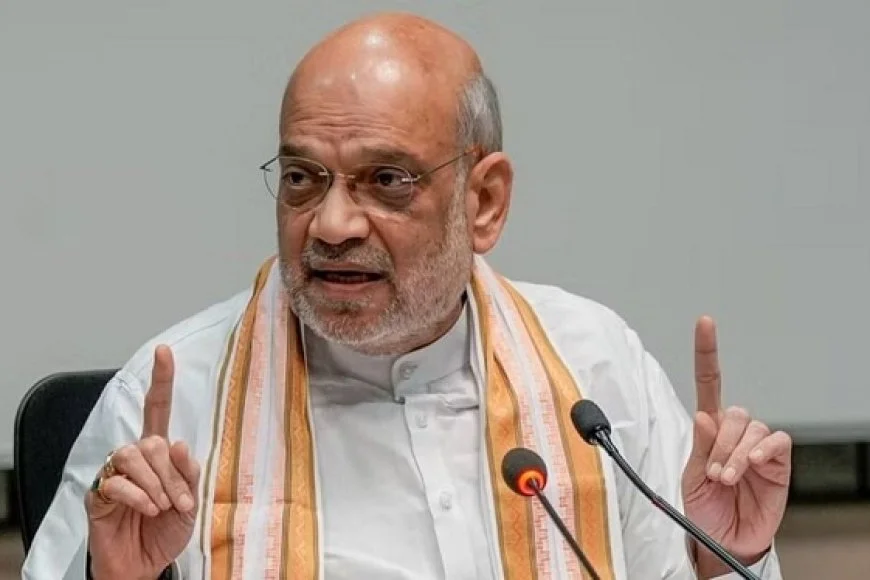
Amit Shah is known for his sharp political instincts. By not engaging directly with the emotional core of the temple mosque topic, he avoided escalating tensions. Strategic silence, or measured speech, often speaks louder than aggressive statements. His reply suggested confidence in existing legal outcomes while discouraging unnecessary debate.
In Indian politics, where statements can quickly become headlines, such restraint around the temple mosque issue was seen by supporters as statesmanship and by critics as calculated ambiguity.
Constitutional Framework and Rule of Law
One of the key takeaways from Amit Shah’s reply was the emphasis on constitutional processes. India’s Constitution guarantees freedom of religion while also mandating equality before law. Any discussion around temple mosque disputes, Shah implied, must respect this balance.
By invoking institutions rather than ideology, he reinforced the idea that democratic systems are equipped to handle complex historical disputes. This positioning places the temple mosque matter within the realm of jurisprudence, not street politics.
Media Role in Shaping the Debate
The media plays a crucial role in amplifying or diffusing sensitive topics. The reporter’s question highlighted how the temple mosque debate remains a recurring theme in public discourse. Amit Shah’s response, however, also served as a reminder that responsible journalism requires careful framing, especially on issues that can influence communal harmony.
The exchange sparked discussions about whether such questions help inform the public or merely reignite old wounds related to temple mosque controversies.
Public Reaction and Political Polarisation
Public reactions to Shah’s reply were divided. Supporters praised his composure and clarity, arguing that he handled the temple mosque topic with maturity. Critics, on the other hand, accused him of deflecting or avoiding a direct answer.
This polarisation reflects the broader divide in Indian society, where the temple mosque narrative often becomes a litmus test for political alignment rather than a subject of nuanced discussion.
Historical Sensitivities and Collective Memory
India’s history is layered with narratives of coexistence and conflict. The temple mosque debate taps into collective memories that are centuries old. Amit Shah’s response acknowledged this sensitivity indirectly by refusing to trivialise the issue through a quick political remark.
Such an approach suggests an awareness that history cannot be simplified into soundbites, especially when temple mosque matters evoke deep emotions.
Electoral Calculations and Governance
From an electoral standpoint, religious issues have often influenced voting patterns. However, governance requires a broader vision. Amit Shah’s reply indicated a preference for governance over agitation when it comes to temple-mosque discussions.
By distancing himself from immediate controversy, he signalled that the government’s focus remains on development and administration, not perpetual debates over temple mosque narratives.

The Opposition’s Interpretation
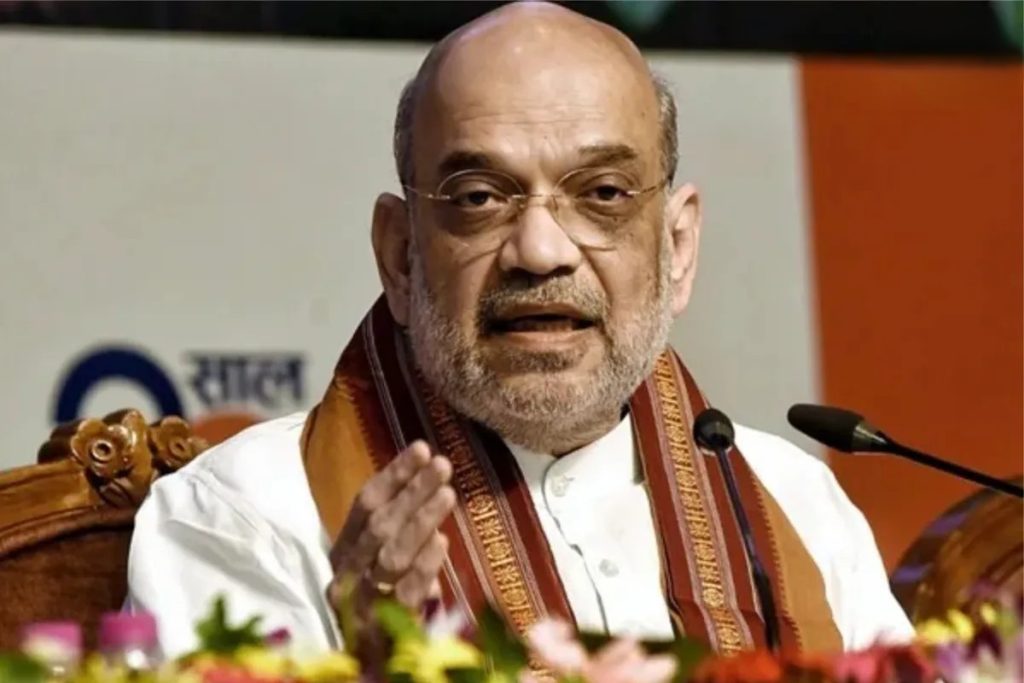
Opposition parties were quick to interpret Shah’s response through their own lenses. Some claimed it revealed hidden intentions, while others argued it showed discomfort in addressing the temple-mosque issue openly. Such interpretations are part of political theatre, where every word is dissected.
Yet, the very fact that a single reply could trigger widespread debate underscores the enduring sensitivity of the temple mosque topic in Indian politics.
Civil Society and Intellectual Voices
Beyond politics, civil society members and intellectuals weighed in on the exchange. Many appreciated the emphasis on constitutional values, noting that temple mosque disputes require dialogue grounded in law and history rather than populism.
Scholars pointed out that sustainable solutions to temple mosque issues depend on consensus-building and respect for pluralism, themes subtly echoed in Shah’s response.
Social Media Amplification
In today’s digital age, moments like these gain traction instantly. Clips of Amit Shah’s reply went viral, with hashtags and debates centring on the temple mosque question. Social media, however, often reduces complex statements into binaries, fuelling outrage or applause without nuance.
This amplification can distort the original intent behind measured responses to temple mosque queries.
Governance Versus Rhetoric
A recurring theme in analyses of Shah’s reply is the contrast between governance and rhetoric. By choosing restraint, he positioned governance as a priority over ideological sparring. This approach suggests that while the temple mosque debate may persist, it should not overshadow policy and administration.
For many observers, this distinction is crucial in evaluating leadership maturity.
Legal Finality and Political Responsibility
India’s judiciary has delivered verdicts on several sensitive issues, providing legal closure even if emotional debates continue. Amit Shah’s reply hinted at respecting such finality, implying that reopening temple mosque disputes politically could undermine institutional credibility.
Political responsibility, in this sense, involves accepting legal outcomes and focusing on future governance rather than revisiting settled temple mosque matters.
Cultural Pluralism and National Unity
India’s strength lies in its diversity. The temple mosque debate, if mishandled, risks fracturing this pluralism. Shah’s response can be read as an attempt to uphold national unity by discouraging divisive narratives.
By avoiding inflammatory language, he reinforced the idea that cultural pluralism must be protected even amid contentious temple mosque discussions.
The Symbolism of the Reply
Sometimes, what is left unsaid carries as much weight as spoken words. Amit Shah’s reply symbolised a boundary between political authority and sensitive religious discourse. It suggested that not every temple mosque question deserves a political answer, especially when institutions exist to handle them.
This symbolism resonated with those advocating restraint in public life.
Long-Term Implications for Political Discourse
In the long term, such responses may influence how politicians address sensitive topics. If restraint becomes the norm, debates around temple mosque issues might gradually shift from confrontation to conversation.
However, whether this approach endures depends on political incentives and public expectations surrounding temple mosque narratives.
Comparing Past and Present Rhetoric
Historically, Indian politics has seen periods of intense rhetoric on religious issues. Compared to the past, Shah’s measured tone marked a departure. This evolution suggests an awareness that constant agitation over temple mosque topics can lead to fatigue and social strain.
The comparison highlights changing strategies in managing sensitive discourse.
Citizen Responsibility and Public Dialogue
While leaders set the tone, citizens also play a role. Public engagement with temple mosque debates must be informed and respectful. Amit Shah’s reply indirectly reminded citizens that solutions lie in dialogue and institutions, not street-level polarisation.
Responsible citizenship is essential for navigating temple mosque sensitivities.
Media Ethics and Question Framing
The incident also raised questions about media ethics. How questions are framed can shape national conversations. The temple mosque query, while relevant, demonstrated the need for thoughtful journalism that prioritises clarity over controversy.
Amit Shah’s response highlighted this responsibility without directly criticising the media.
Conclusion: Beyond the Headline
“Wrong address, right question” encapsulates a moment that went beyond a single press interaction. Amit Shah’s reply to the temple mosque question reflected a broader philosophy of governance, restraint, and respect for institutions. While debates on faith and history will continue, such responses suggest a pathway that prioritises constitutional values over confrontation.
In a democracy as diverse as India, the way leaders address sensitive issues like temple mosque debates can shape social harmony. Amit Shah’s measured reply serves as a reminder that sometimes, redirecting the conversation is more powerful than dominating it.
Read More latest news

