
Owaisi’s Strong Demand on Masood Azhar: A Call for Decisive Action Against Terrorism.
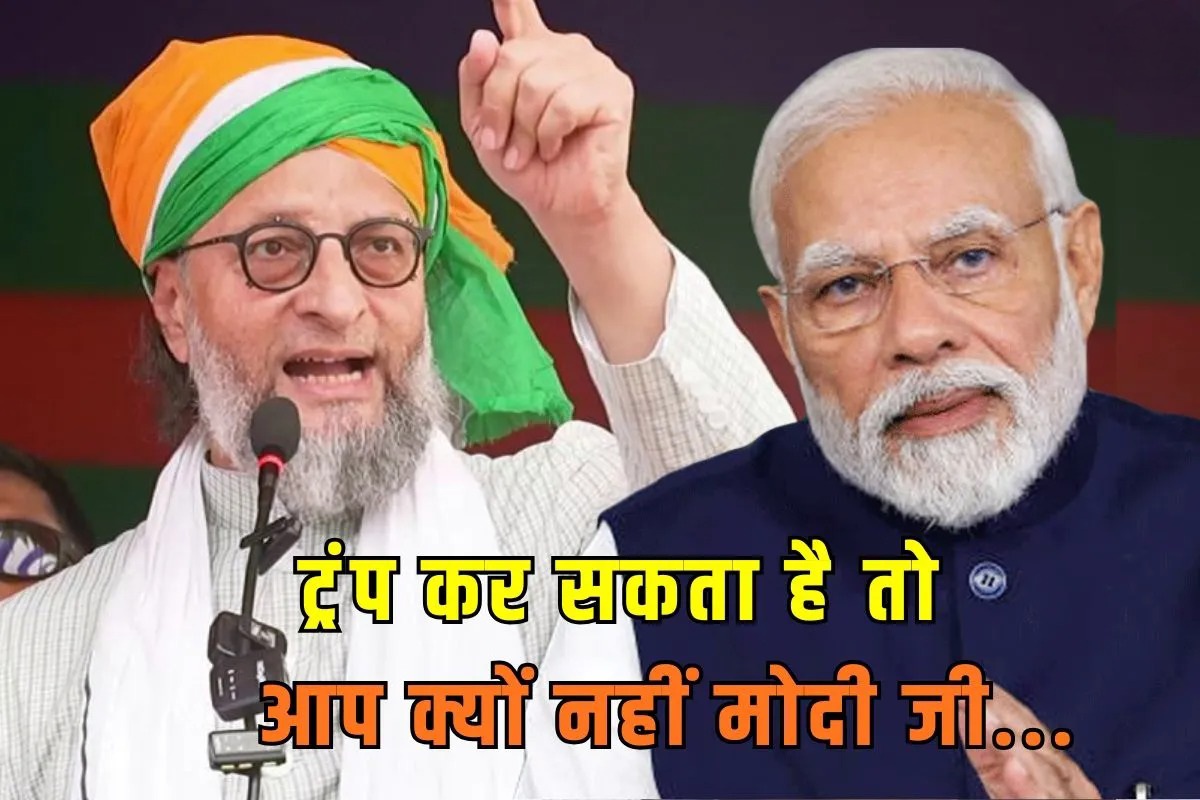
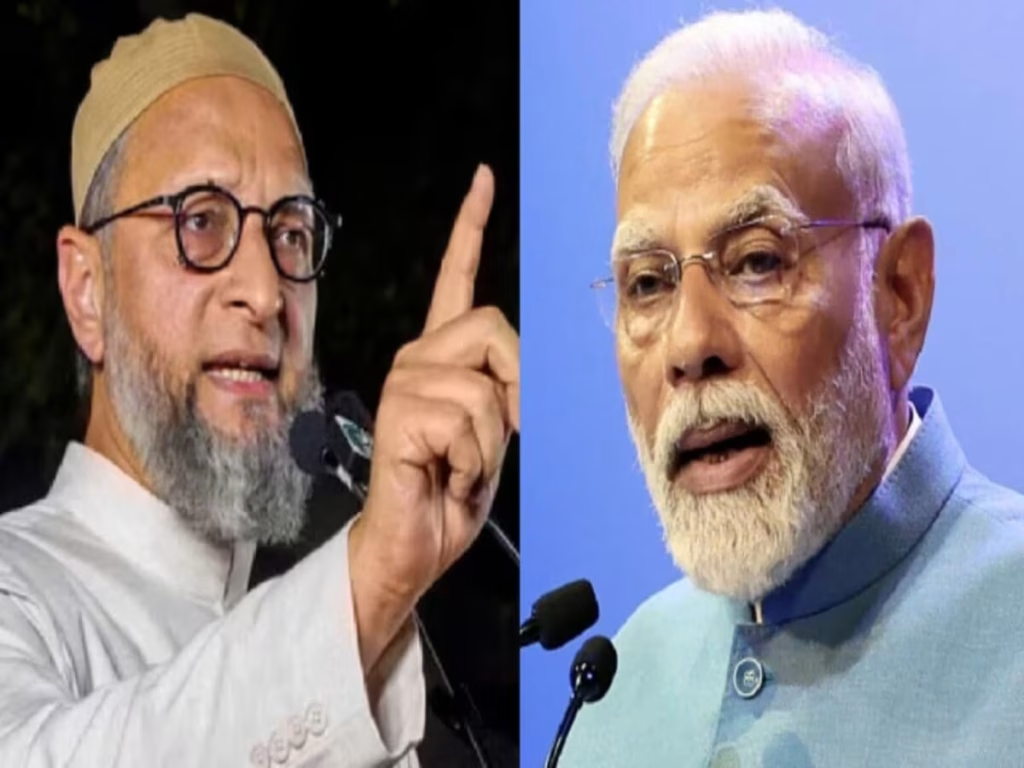
Owaisi has demanded that Pm, India’s fight against terrorism has once again come into sharp political focus after AIMIM chief Asaduddin Owaisi raised a strong and direct demand before the central government. Referring to the long-pending issue of Pakistan-based terrorist Masood Azhar, Owaisi has demanded firm and decisive action from Prime Minister Narendra Modi. The statement has reignited debate on India’s counter-terror strategy, diplomatic options, and global precedents in dealing with terror masterminds who operate beyond national borders.
Background: The 26/11 Attacks and Masood Azhar
The 26/11 Mumbai terror attacks remain one of the darkest chapters in India’s modern history. The attacks claimed over 160 innocent lives and exposed the scale of cross-border terrorism sponsored from Pakistan. Masood Azhar, the chief of Jaish-e-Mohammed, has long been accused of masterminding multiple terror attacks against India. Despite global pressure and his designation as a UN-designated terrorist, Azhar continues to remain beyond India’s legal reach.
Owaisi has demanded that India must no longer rely only on diplomatic condemnation or international statements. According to him, justice for the victims of terrorism requires concrete and bold action.
Owaisi Statement and Political Significance
Speaking on the issue, Owaisi has demanded that Prime Minister Narendra Modi follow a more assertive approach, drawing parallels with the United States’ actions against hostile regimes and terror-linked figures. He cited how former US President Donald Trump took decisive steps against Venezuela and other adversaries, arguing that strong leadership requires tough decisions.
Owaisi has demanded that India take inspiration from such global actions and pursue Masood Azhar’s extradition or capture with full seriousness. His remarks underline frustration with Pakistan’s repeated refusal to act against terror groups operating from its soil.
Comparing Global Actions Against Terrorism
In his statement, Owaisi has demanded that India assert its sovereignty and security interests the way powerful nations do. The US, for example, has historically conducted operations, imposed sanctions, and exerted diplomatic pressure to neutralize threats to its national security.
Owaisi has demanded that India move beyond symbolic steps and take action that sends a strong message to terror networks. He emphasized that international law and diplomacy should not become excuses for inaction when national security is at stake.
India Pakistan Relations and the Terror Question
India’s relationship with Pakistan has long been strained due to terrorism. Despite multiple dossiers, evidence, and international pressure, Pakistan has repeatedly failed to hand over Masood Azhar.
Owaisi has demanded that the Modi government reassess its Pakistan policy, particularly in cases involving terror masterminds. He argued that continued tolerance emboldens terror outfits and weakens India’s moral standing in the global fight against terrorism.
Domestic Political Reactions
Owaisi’s remarks have triggered sharp political reactions. Supporters see his statement as a rare instance of opposition unity on national security. Critics, however, accuse him of politicizing terrorism.
Still, Owaisi has demanded consistency from the ruling government, reminding it of its own strong rhetoric on terrorism during election campaigns. He questioned why bold statements have not translated into concrete outcomes in the case of Masood Azhar.
International Law and Diplomatic Challenges
One of the biggest hurdles in acting against Masood Azhar is the complex web of international law. Extradition treaties, diplomatic immunity, and geopolitical interests often slow down action.
Yet, Owaisi has demanded that India explore all possible legal and diplomatic channels, including covert operations if necessary. He stressed that countries cannot hide behind technicalities when it comes to combating terrorism.
The United Nations and Global Pressure
Masood Azhar’s designation as a global terrorist by the United Nations was a diplomatic success for India. However, designation alone has not resulted in his arrest or extradition.
Owaisi has demanded that India intensify pressure through global forums, ensuring that Pakistan is held accountable for sheltering terrorists. He called for coordinated action with allies to isolate Pakistan diplomatically.
Lessons from the United States’ Approach
The reference to US action against Venezuela is significant. Owaisi has demanded that India learn from how global powers use economic sanctions, diplomatic isolation, and intelligence operations to protect national interests.
According to him, strong nations do not wait indefinitely for justice. They create pressure points that force outcomes. India, he argued, has the capacity to do the same.
National Security vs Political Hesitation
A recurring theme in Owaisi’s statement is political hesitation. Owaisi has demanded that national security be kept above political calculations and international optics.
He pointed out that every delay sends the wrong signal—not just to Pakistan, but to terror networks across the region. Decisive action, he said, would restore public confidence in India’s counter-terrorism framework.


Voices of the Victims
Families of the 26/11 victims have long demanded justice. Many believe that the masterminds of the attacks have escaped accountability.
Owaisi has demanded that the government listen to these voices and act in their interest. He emphasized that justice delayed is justice denied, especially in cases of mass terrorism.
Strategic Options Available to India
India has several options: diplomatic pressure, international litigation, intelligence-led operations, and economic measures. Each carries risks and consequences.
Still, Owaisi has demanded that inaction should no longer be one of the options. He argued that even incremental steps, if sustained, could lead to meaningful results.
Media and Public Discourse
The issue has sparked widespread debate in Indian media. While some analysts support Owaisi’s call, others warn of escalation.
Owaisi has demanded a mature public discussion that focuses on outcomes rather than fear. He insisted that a strong democracy must be capable of defending itself.
The Modi Government’s Response
So far, the government has reiterated its commitment to fighting terrorism. However, concrete details remain limited.
Owaisi has demanded transparency from the government regarding steps taken to secure Masood Azhar’s arrest. He argued that public accountability strengthens democratic governance.
Regional Security Implications
South Asia remains vulnerable to terrorism. Failure to act against figures like Masood Azhar could destabilize the entire region.
Owaisi has demanded a regional security framework that prioritizes collective action against terror networks. He stressed that peace cannot exist alongside impunity.
Historical Context of Cross-Border Terrorism
India has faced decades of cross-border terrorism. Despite multiple operations and diplomatic efforts, some masterminds remain untouched.
Owaisi has demanded that history not repeat itself. He urged policymakers to learn from past mistakes and adopt a firmer stance.
Ethical and Moral Responsibility
Beyond politics and strategy lies a moral question. Can a nation afford to let terror masterminds go unpunished?
Owaisi has demanded that moral responsibility guide India’s actions. He argued that standing up against terrorism is not just a strategic necessity, but an ethical obligation.
Global Image of India
India aspires to be a global leader. Its response to terrorism shapes its international image.
Owaisi has demanded that India act like a global power—confident, decisive, and uncompromising on terrorism. He said strong action would enhance India’s credibility worldwide.
The Road Ahead
The demand made by Asaduddin Owaisi has once again brought Masood Azhar into national focus. Whether the government chooses a more assertive path remains to be seen.
What is clear is that Owaisi has demanded a shift from rhetoric to results. His statement resonates with a section of the public that believes India must take stronger steps to protect its citizens.
Conclusion
The call for action against Masood Azhar is not new, but the urgency in Owaisi’s demand has sparked renewed debate. Terrorism remains a grave threat, and how India responds will define its security doctrine in the years to come.
Ultimately, Owaisi has demanded accountability, courage, and decisiveness. Whether or not the government heeds this call, the issue has once again highlighted the unresolved wounds of 26/11 and the nation’s enduring quest for justice.
Read More latest news

