
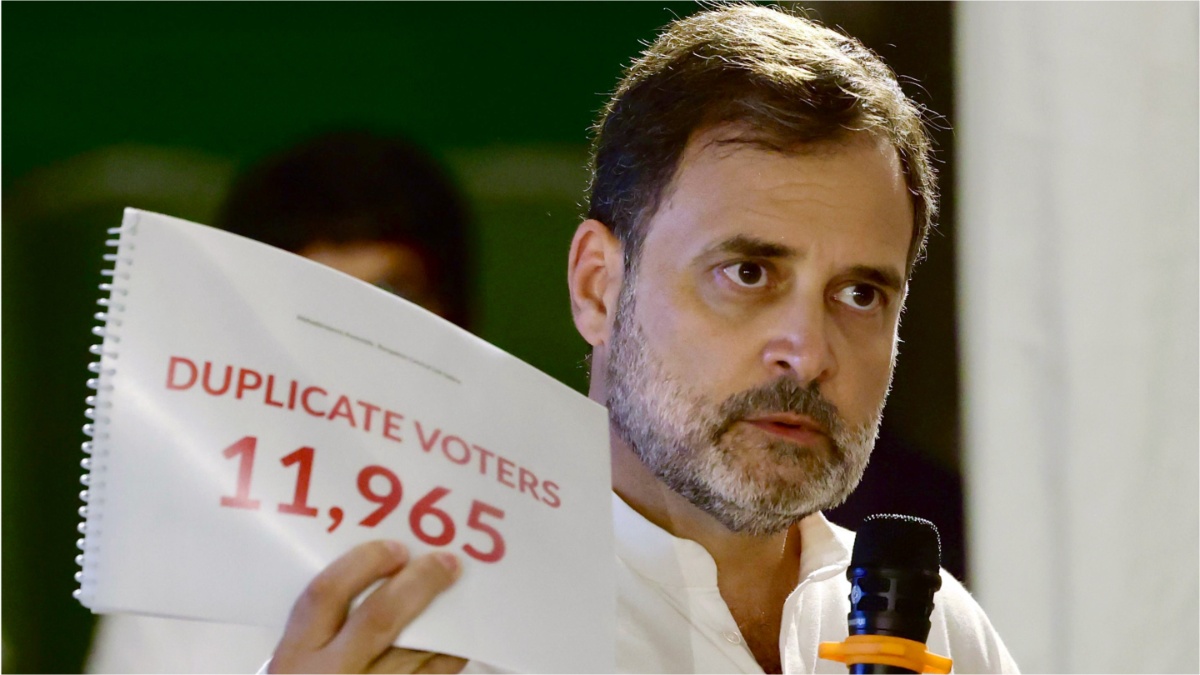
Strong Public Trust in Electronic Voting Machines: Karnataka Congress Government Survey Ahead of 2024 Lok Sabha Elections.
Introduction
Electronic Voting Machines, In the world’s largest democracy, elections are not just a political exercise but a massive administrative, technological, and social process. India’s electoral system has evolved significantly over the decades, with technology playing an increasingly important role. One of the most debated and discussed aspects of Indian elections is the use of Electronic Voting Machines. Ahead of the 2024 Lok Sabha elections, the Congress government of Karnataka conducted a comprehensive survey to assess public perception, awareness, and trust in the electoral process, particularly focusing on voting technology.
The findings of this survey are significant, as they reflect the mindset of citizens at a time when election integrity is often questioned in political discourse. The survey revealed that an overwhelming majority of respondents have strong faith in Electronic Voting Machines, reinforcing their credibility and acceptance among voters.
This blog explores the background of the survey, its key findings, the importance of public trust in electoral systems, and the broader implications for Indian democracy.
Background of the Karnataka Government Survey
Ahead of the 2024 Lok Sabha elections, the Karnataka Congress government commissioned a survey titled “Evaluation of Endline Survey of Knowledge, Attitude and Practice of Citizens.” The primary objective was to understand how citizens perceive the electoral process, their level of awareness, and their confidence in voting mechanisms.
The timing of the survey was crucial. In recent years, political debates and social media narratives have frequently raised questions about the reliability of Electronic Voting Machines. By conducting an evidence-based survey, the Karnataka government aimed to rely on data rather than speculation.
The survey covered diverse demographics, including urban and rural voters, different age groups, educational backgrounds, and socio-economic categories. This ensured that the results reflected a broad and representative cross-section of society.
Key Finding: High Trust in Voting Technology
One of the most striking findings of the survey was that 83.61% of respondents stated that they consider Electronic Voting Machines to be reliable. This statistic is significant for several reasons.
First, it shows that despite political controversies and allegations, a large majority of voters continue to trust the system used for casting and counting votes. Second, it suggests that years of voter education, transparent processes, and consistent use of technology have contributed to building confidence among citizens.
Trust in Electronic Voting Machines is not just about technology; it is about trust in democratic institutions, election authorities, and the fairness of the electoral process as a whole.
Understanding Electronic Voting Machines in India
To fully appreciate the importance of this survey result, it is necessary to understand what Electronic Voting Machines are and how they function in India.
Electronic Voting Machines were introduced to replace paper ballots with the aim of reducing errors, preventing booth capturing, minimizing invalid votes, and speeding up the counting process. Over time, these machines have undergone multiple upgrades and improvements.
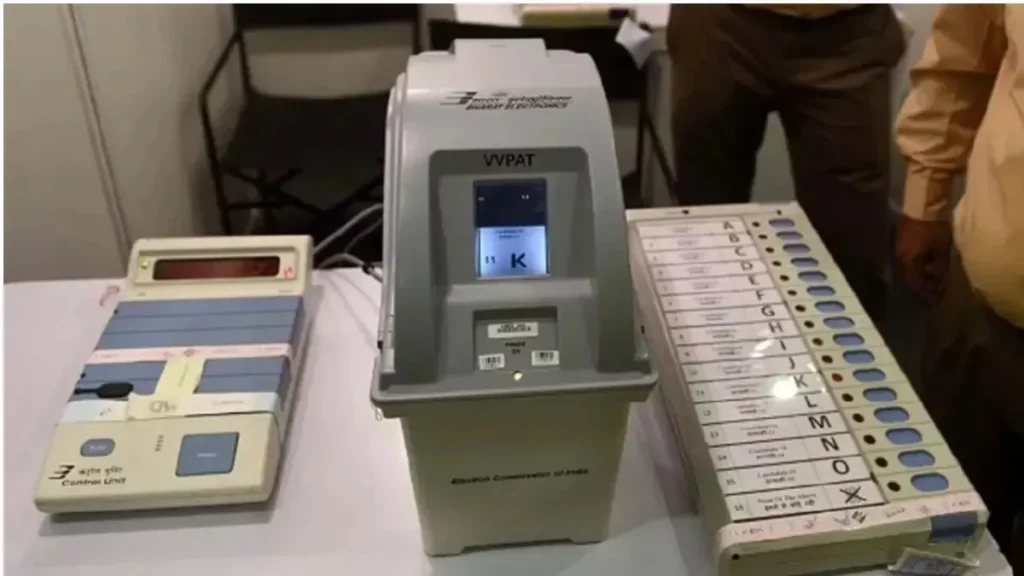
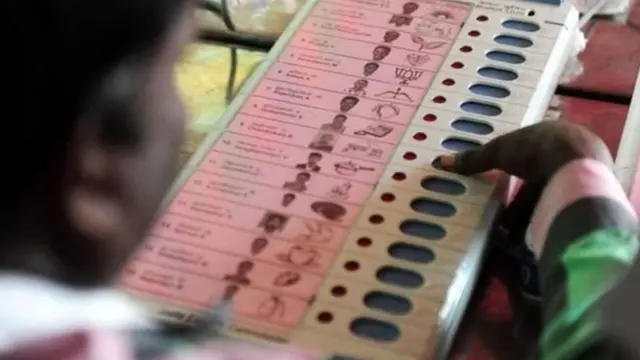
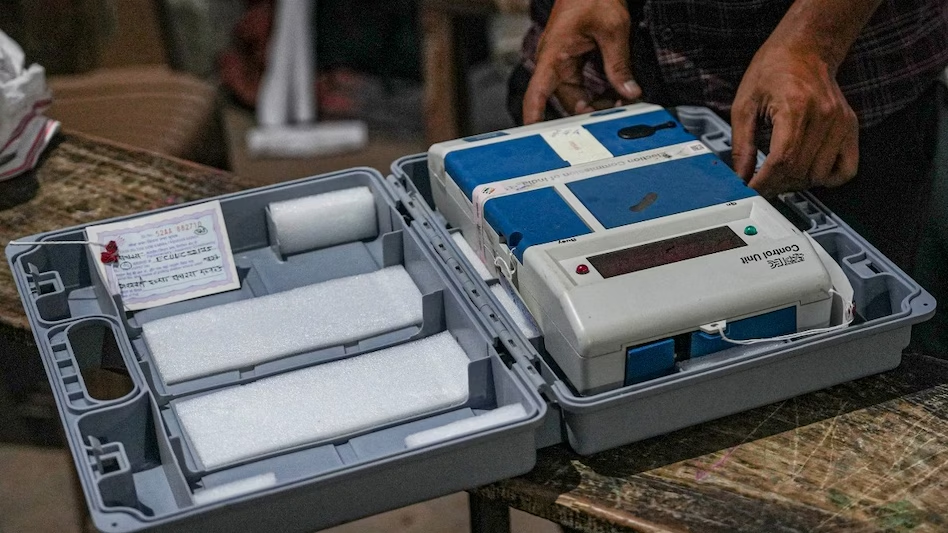
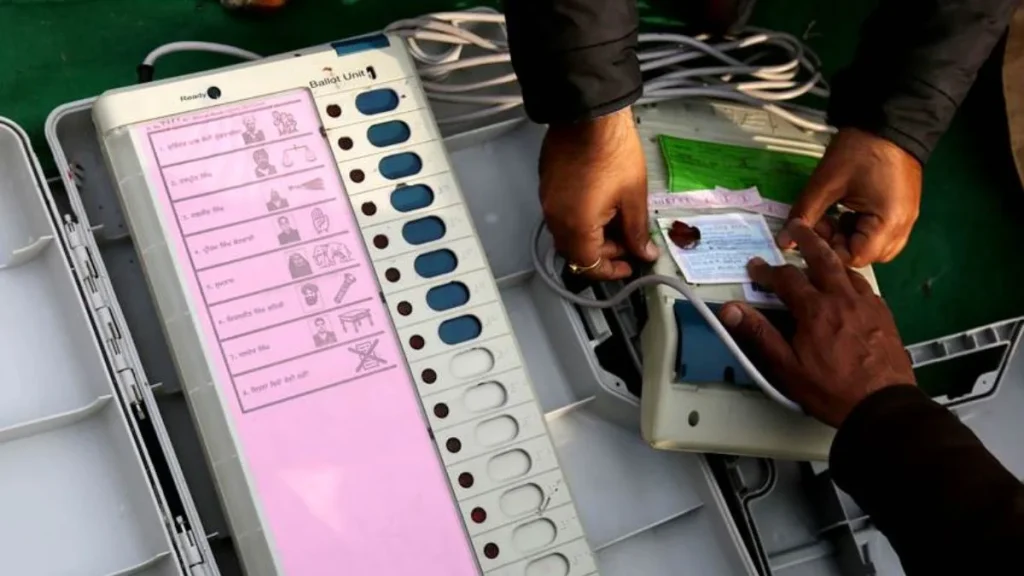
Each machine consists of two main components: the ballot unit and the control unit. In recent years, VVPAT (Voter Verifiable Paper Audit Trail) systems have been added to further enhance transparency and voter confidence.
The widespread use of Electronic Voting Machines across multiple elections has made them a central pillar of India’s electoral framework.
Why Public Trust Matters in Elections
Elections are not only about casting votes but also about public confidence in the system. Even the most advanced technology is ineffective if citizens do not trust it.
The Karnataka survey highlights that public trust in Electronic Voting Machines remains strong. This trust is essential because:
- It ensures higher voter participation
- It reduces post-election disputes
- It strengthens democratic legitimacy
- It discourages misinformation and rumors
When citizens believe that their vote is accurately recorded and counted, they are more likely to engage in the democratic process.
Survey Methodology and Credibility
The credibility of any survey depends on its methodology. According to available details, the Karnataka government’s survey focused on three major aspects:
- Knowledge – Awareness of the electoral process and voting mechanisms
- Attitude – Perceptions and beliefs about elections and voting technology
- Practice – Actual voting behavior and experiences
By examining all three dimensions, the survey provided a holistic picture of how citizens interact with and perceive Electronic Voting Machines.
The 83.61% trust figure did not emerge in isolation; it was supported by respondents’ experiences, past voting participation, and understanding of election procedures.
Addressing Allegations and Political Narratives
In recent years, opposition parties and political activists have occasionally raised concerns about the reliability of Electronic Voting Machines. These claims often gain traction on social media, sometimes without concrete evidence.
The Karnataka survey offers a data-driven counterpoint to such narratives. When more than four-fifths of respondents express confidence in the system, it indicates that ground-level reality may be very different from online debates.
Public trust, as reflected in the survey, suggests that allegations against Electronic Voting Machines have not significantly shaken voter confidence.
Role of the Election Commission of India
One of the key reasons behind sustained trust in Electronic Voting Machines is the role of the Election Commission of India (ECI). The ECI has consistently emphasized transparency, security, and accountability in the use of voting technology.
Measures such as mock polls, VVPAT verification, involvement of political party representatives, and strict protocols for storage and transportation of machines have strengthened credibility.
The Karnataka survey indirectly reflects the success of these measures, as voters associate Electronic Voting Machines with a fair and secure electoral process.
Impact on the 2024 Lok Sabha Elections
As India approached the 2024 Lok Sabha elections, surveys like this played an important role in shaping public discourse. High trust in Electronic Voting Machines meant that the focus could remain on issues, policies, and governance rather than doubts about the voting process.
For political parties, this finding was also instructive. It indicated that election outcomes would likely be accepted by the public, reducing the risk of widespread post-election dissatisfaction.
A democracy functions best when election results are respected, and trust in Electronic Voting Machines contributes directly to that stability.

Voter Awareness and Education
Another important insight from the survey is the impact of voter awareness programs. Over the years, election authorities and governments have invested in educating voters about how Electronic Voting Machines work.
From demonstrations at polling stations to informational campaigns, these efforts appear to have paid off. When voters understand the system, they are less susceptible to misinformation.
The high trust percentage reflects not just confidence in technology, but also the effectiveness of civic education initiatives.
Rural and Urban Perspectives
Although detailed demographic breakdowns were not highlighted, the overall trust figure suggests acceptance across both rural and urban areas.
In rural regions, where access to information was once limited, familiarity with Electronic Voting Machines has increased due to repeated use over multiple elections. In urban areas, higher exposure to political debates has not necessarily translated into skepticism, as many voters continue to trust institutional safeguards.
This widespread acceptance underscores the deep integration of Electronic Voting Machines into India’s democratic culture.
Global Perspective on Voting Technology
Globally, countries have adopted different voting systems, ranging from paper ballots to fully digital elections. India’s use of Electronic Voting Machines is often cited as a large-scale example of technology-driven elections.
The Karnataka survey adds to India’s global image as a democracy where technology is broadly accepted by the public. High trust levels strengthen India’s position when discussing electoral best practices on international platforms.
Challenges and the Way Forward
While the survey results are encouraging, they do not mean that complacency is acceptable. Continuous improvement and transparency are essential to maintaining trust in Electronic Voting Machines.
Key areas of focus should include:
- Regular technical audits
- Enhanced transparency in machine handling
- Continued voter education
- Prompt addressing of concerns raised by stakeholders
By proactively strengthening safeguards, authorities can ensure that public confidence remains high in future elections.
Media’s Role in Shaping Perception
Media coverage plays a crucial role in shaping public opinion about elections. Responsible reporting based on verified data, such as this survey, can help counter misinformation.
The Karnataka government’s decision to highlight survey findings contributes to informed public debate. When citizens are presented with facts rather than speculation, trust in Electronic Voting Machines is reinforced.
Political Implications of the Survey
For the Congress government in Karnataka, the survey served both administrative and political purposes. Administratively, it provided insights into voter perception. Politically, it countered narratives questioning electoral integrity.
However, beyond party politics, the survey’s true value lies in strengthening democratic confidence. Trust in Electronic Voting Machines benefits all stakeholders, regardless of political affiliation.
Citizen Experience and Confidence
Ultimately, elections are about citizens. When voters walk into polling booths, their confidence in the system shapes their experience.
The survey result showing 83.61% trust indicates that most citizens feel their vote matters and is accurately recorded. This emotional and psychological assurance is critical for a healthy democracy.
Electronic Voting Machines have become familiar, reliable tools for millions of voters across generations.
Transparency and Accountability
Transparency is a cornerstone of democratic elections. The inclusion of VVPAT, open challenges to machines, and involvement of political parties in verification processes have enhanced accountability.
The Karnataka survey suggests that these measures are visible and meaningful to citizens. Trust in Electronic Voting Machines is closely linked to perceptions of transparency and fairness.
Conclusion
The survey conducted by the Congress government of Karnataka ahead of the 2024 Lok Sabha elections offers a clear and reassuring message: public trust in Electronic Voting Machines remains strong. With 83.61% of respondents expressing confidence in their reliability, the findings highlight the success of India’s electoral system in building and maintaining voter faith.
In an era where misinformation can spread rapidly, data-driven insights like this survey are invaluable. They remind us that despite political noise, the foundation of Indian democracy remains robust.
As India continues to conduct elections on an unprecedented scale, maintaining and strengthening trust in Electronic Voting Machines will remain essential. The Karnataka survey not only reflects public opinion but also reinforces the importance of transparency, education, and institutional integrity in sustaining democratic values.
Read More latest news

