
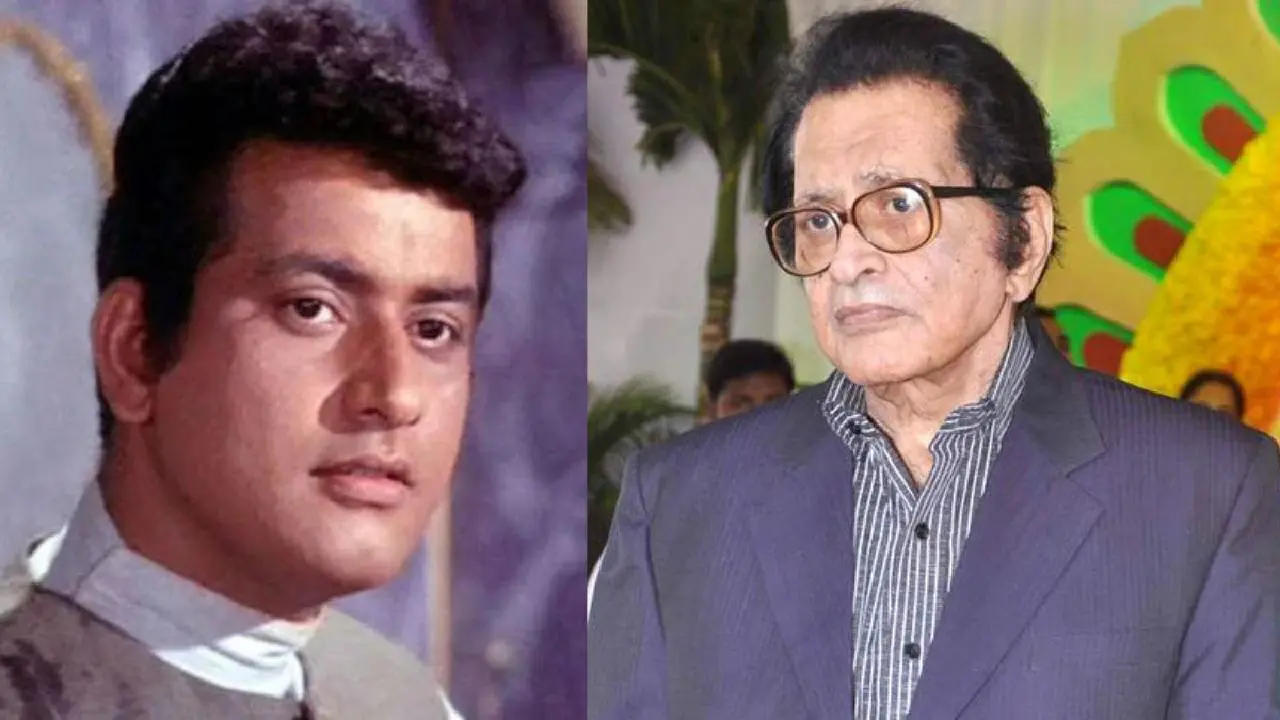
The death of a renowned personality leaves a void not only in the hearts of their loved ones but also in the world of art, culture, and the entertainment industry. The death of the famous actor and Bollywood icon Manoj Kumar, who passed away recently, was an event that shook the entertainment world to its core. Known for his legendary contributions to Indian cinema, especially through his portrayal of patriotic roles and films that transcended generations, Manoj Kumar left behind an indelible mark.
His journey of a life well-lived came to an end in a way that beautifully symbolized his connection to the earth, water, fire, air, and sky—the five elements that represent the essence of life in Hindu philosophy. As his family, friends, and admirers gathered to pay their respects, some of the most significant figures in Bollywood, including Amitabh Bachchan, Raj Babbar, and many others, showed up to give the icon a final, dignified farewell. The tributes paid by the celebrities, the touching moments shared, and the immersion of his ashes into the five elements highlighted the cultural importance of this emotional and reflective moment.
In this blog, we will delve deep into the life of Manoj Kumar, the tributes that followed his death, the significance of his last rites, and how his legacy continues to inspire generations.
Manoj Kumar: The Legacy of a Patriotic Icon
Before we explore the final farewell and the tributes to Manoj Kumar, it’s important to understand his immense contribution to Indian cinema and why he was such an influential figure.
Manoj Kumar, born Harikishan Goswami on July 24, 1937, in Abbottabad (now in Pakistan), came to be known as Manoj Kumar in the Indian film industry. His name became synonymous with patriotic films, especially in the 1960s and 1970s. Over the course of his illustrious career, he cemented his position as one of the pillars of Indian cinema.
Kumar made his debut in 1957 with the film ‘Fashion’, but it wasn’t until the 1960s that he truly gained recognition with films such as ‘Hariyali Aur Rasta’ (1962) and ‘Woh Kaun Thi?’ (1964). However, his most iconic films were those that struck a deep chord with the national sentiment, particularly ‘Upkar’ (1967), ‘Purab Aur Paschim’ (1970), and ‘Rakhwala’ (1971).
‘Upkar’ remains one of his most remembered films, where his portrayal of a character deeply rooted in the values of patriotism, integrity, and sacrifice resonated with millions of viewers. The famous song “Mere Desh Ki Dharti” from the film became an anthem of patriotism for generations. It was the perfect example of how Manoj Kumar was able to blend popular culture with the deep-rooted love for the country, an attribute that made him an icon.
Kumar’s on-screen persona of the patriotic and morally upright hero made him a beloved figure, and his movies continued to enjoy success across decades. His simplicity, coupled with the deep messages of social responsibility and love for one’s country, made him a household name.
His career spanned over five decades, and though his appearances on screen became less frequent after the 1980s, his legacy as a filmmaker and actor continued to influence the industry. He was not only known for his acting but also for his directorial ventures, with ‘Rakhwala’, ‘Shor’, and ‘Patriot’ standing out as a testament to his multifaceted talent.
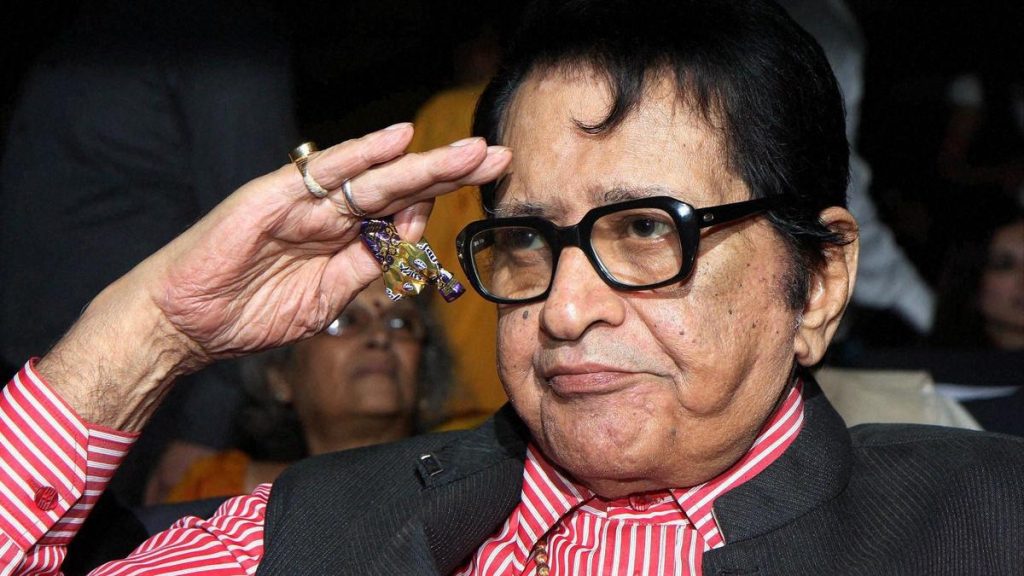
Manoj Kumar left behind a legacy that was a blend of patriotism, simplicity, and dedication to his craft, one that will remain relevant in the annals of Indian cinema. But, as life does, it eventually reached its end, leaving behind an empty space not just for his family but for the industry and fans that adored him.
The Final Farewell: Manoj Kumar Immersed in the Five Elements
In Hindu tradition, the final rites or the last journey is deeply symbolic, representing the return of the body to the five elements—earth, water, fire, air, and sky. Each element symbolizes a key aspect of human life, and the immersion of the deceased’s ashes in these elements signifies the completion of their journey and their return to the universe.
After Manoj Kumar passed away, his final rites were performed with full respect and reverence. His family, close friends, and numerous celebrities gathered to pay their last respects and ensure that he was given the dignified farewell that he deserved. The funeral procession and the immersion of his ashes in the five elements was a significant moment in the way the Indian entertainment industry pays tribute to its icons.
Manoj Kumar was cremated, and his ashes were subsequently immersed in the holy Ganges river, symbolizing the element of water, which is believed to purify the soul. The Ganges, being one of the most sacred rivers in India, is often the place where the ashes of the departed are immersed, signifying their return to the universe and their spiritual journey.
Tributes from the Bollywood Industry: Amitabh Bachchan, Raj Babbar, and More
As news of Manoj Kumar’s death spread, Bollywood stars, politicians, and fans alike were quick to express their heartfelt tributes to the legend. Many of them took to social media, sharing memories of their time with him and recounting how he influenced their lives both personally and professionally.
One of the most significant and emotional tributes came from Amitabh Bachchan, who has always been vocal about his admiration for Manoj Kumar. Amitabh shared a heartfelt post on social media, remembering the time they worked together and his admiration for Manoj’s work ethic and passion. The two had starred together in films like ‘Rakhwala’ and ‘Beiman’, and Bachchan described him as a “pillar of the Indian film industry,” someone who inspired generations of actors and filmmakers.
Amitabh Bachchan’s tribute was not just about the professional bond they shared but also the deep personal connection they had. His message resonated with many fans who grew up watching the two legends on-screen, and it became a symbol of the deep respect and admiration that permeated the film industry for Manoj Kumar.
Along with Amitabh Bachchan, Raj Babbar—a veteran actor and politician—was also seen at Manoj Kumar’s funeral, paying his respects. Raj Babbar shared that Manoj Kumar’s contributions to Indian cinema could never be matched, and his passing was a monumental loss to the film industry. Babbar also spoke of how Manoj Kumar had always supported and guided him, especially during the early days of his career, providing him with valuable advice and mentorship.
Other celebrities who attended the funeral to bid a final farewell included Dharmendra, Hema Malini, Shatrughan Sinha, and Jaya Bachchan. These iconic figures, who have also had long and successful careers in the industry, paid tribute to the man who had set the foundation for many of the values they themselves embraced in their careers. Some even shared personal stories of how Manoj Kumar had been an inspiration to them and how they had learned a great deal from his experiences in the film industry.
The emotional tributes, coupled with the somber and respectful final rites, showcased the deep affection that the industry had for Manoj Kumar. His death, though a sad event, also highlighted the enduring legacy of a man who had been more than just an actor—he had been a mentor, a guide, and an icon of Indian cinema.
The Cultural Significance of the Five Elements and Final Rites
The concept of the five elements—earth, water, fire, air, and sky—holds deep spiritual and cultural significance in Hinduism and many other Indian religions. It is believed that the human body is made up of these five elements, and upon death, the body returns to these elements, completing the cycle of life. This symbolism is woven into the process of last rites and funeral rituals, which are designed to ensure the soul’s peaceful transition into the afterlife.
- Earth (Prithvi): The earth element represents stability, strength, and the foundation of life. The body is buried or cremated, returning to the earth as a final mark of respect and reverence.
- Water (Jal): The water element symbolizes purity, cleansing, and life itself. Immersing the ashes in a river, especially the Ganges, represents the purification of the soul and its return to the greater cosmos.
- Fire (Agni): Fire represents transformation and is often associated with the cremation process, symbolizing the release of the soul from the body. It is believed that the soul moves towards liberation through the flames.
- Air (Vayu): Air represents movement and the eternal nature of life. After death, the soul is believed to transcend the physical form and merge with the universal energy.
- Sky (Akash): The sky symbolizes the vastness of the universe and the transcendence of the soul into infinity. It is often associated with the liberation of the soul from the cycle of birth and death.
By immersing Manoj Kumar’s ashes in the river and performing the final rites in accordance with these beliefs, his family and loved ones not only followed tradition but also ensured that his soul made the journey back to the universe from which it came.
Manoj Kumar’s Lasting Legacy: Inspiration for Generations
Even though Manoj Kumar is no longer with us, his legacy continues to live on through his films, his contributions to Indian cinema, and the inspiration he provided to countless individuals. His portrayal of patriotism, love for the nation, and the emphasis on moral integrity remain relevant to this day.
His iconic roles, especially in films like ‘Purab Aur Paschim’, ‘Upkar’, and ‘Shor’, have shaped the way we view Indian heroes on screen. The stories he told were not just about a man’s journey but about the journey of the nation, and in many ways, his films reflected the collective consciousness of India during the post-independence era.
In a world filled with changing trends and evolving ideologies, the timeless message of patriotism and social responsibility that Manoj Kumar propagated through his roles will continue to inspire generations to come.

Conclusion: A Life Well Lived, A Farewell Well Deserved
Manoj Kumar’s life was a testament to dedication, passion, and patriotism. His journey from a young boy in Abbottabad to becoming one of the most iconic actors of Indian cinema is an inspiring story of perseverance and commitment to one’s craft. His death marked the end of an era, but the tributes and the dignified farewell he received show that his influence will never fade.
The final farewell, with the immersion of his ashes into the five elements and the emotional tributes from figures like Amitabh Bachchan and Raj Babbar, symbolized the deep respect and admiration that the Indian film industry and its fans have for him. His legacy, built on love for the country and a commitment to storytelling, will continue to guide and inspire generations to come.
Manoj Kumar may have left this world, but his presence will remain eternal in the hearts of those who loved him and in the films he left behind.
read more latest news


http://terios2.ru/forums/index.php?autocom=gallery&req=si&img=4546
https://hrv-club.ru/forums/index.php?autocom=gallery&req=si&img=6921