

10 Big Reasons Why CM Rekha Gupta Was Granted Z-Category Security: From Political Threats to Rising Security Challenges, How CRPF Commandos Will Take Charge of Protecting the Chief Minister Amid Growing Risks in Indian Politics
Introduction
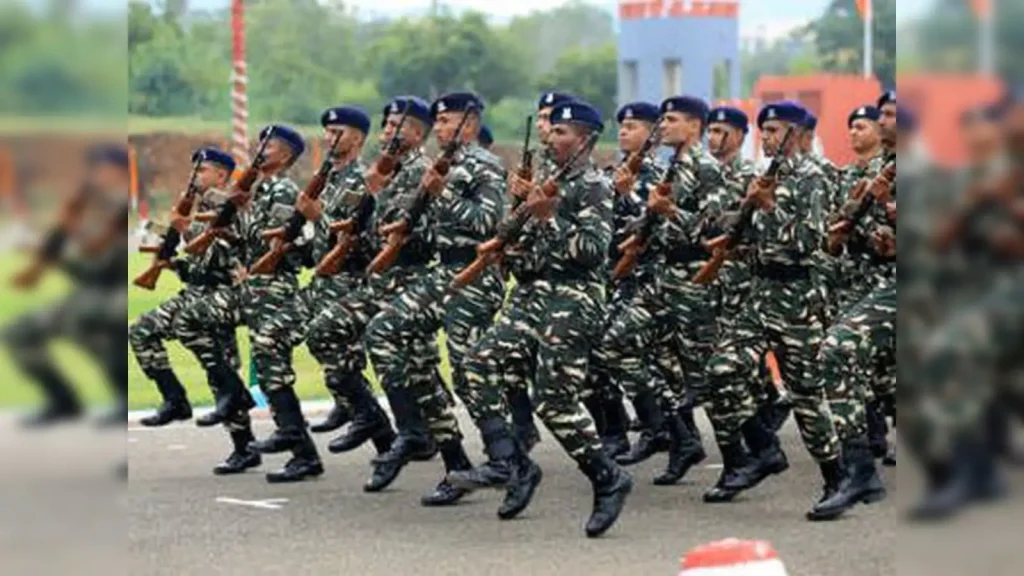
From Political Threats to Rising Security Challenges In Indian politics, security has always been a deeply debated and sensitive issue. With a population of over 1.4 billion, multiple layers of democracy, rising political polarization, and an ever-present threat of extremist violence, the safety of elected representatives—especially Chief Ministers—remains a top priority. Recently, Delhi Chief Minister Rekha Gupta was granted Z-Category Security, a move that has sparked intense political discussion. This high-level protection means that she will now be guarded round the clock by CRPF (Central Reserve Police Force) commandos, who will manage her security both in Delhi and during her travels across India.
But what led to this sudden decision? Why was Rekha Gupta deemed a high-risk leader? What does this say about the evolving political and security landscape of India? And most importantly, how will this decision impact the balance of power and governance in Delhi and beyond?
This detailed blog explores 10 major reasons why Rekha Gupta was granted Z-category security, examining the political threats, security challenges, and the implications for state leadership in today’s India.
Understanding Z-Category Security in India
Before analyzing the reasons, it’s essential to understand what Z-Category security means. India has a multi-tiered security system, divided into categories like X, Y, Z, Z+, and SPG.
- X Category: 2 personnel (1 PSO + 1 escort)
- Y Category: 11 personnel, including 1-2 commandos
- Z Category: 22 personnel, including CRPF commandos
- Z+ Category: 55 personnel, top-level security
- SPG (Special Protection Group): Reserved only for the Prime Minister
Thus, Z-Category Security is one of the highest protections in the country, offered to very few leaders. The fact that Rekha Gupta has been moved to this level shows the seriousness of the threat perception against her.
10 Big Reasons Why Rekha Gupta Was Granted Z-Category Security
1. Escalating Political Threats
The first and most direct reason is the rise in political threats against Rekha Gupta. As a sitting Chief Minister, her visibility is high, and any decisions—whether related to governance, policies, or law enforcement—naturally attract strong reactions. Opposition parties and political rivals have become increasingly vocal, and intelligence inputs suggest heightened risk of political violence or planned attacks.
2. Recent Security Intelligence Reports
According to sources, recent intelligence assessments flagged credible threats to the CM’s life. These reports suggested that extremist groups, radical organizations, and even politically motivated criminal networks might be planning targeted disruptions. Intelligence Bureau (IB) inputs specifically recommended elevating her security cover.
3. Increasing Polarization in Delhi Politics
Delhi has been a politically charged state, often witnessing intense ideological clashes. Rekha Gupta, being a strong and outspoken leader, has taken bold stances on several issues, including law-and-order reforms, corruption crackdowns, and social justice programs. These bold policies have angered several groups, pushing her into a high-risk category.
4. Social Media Hate Campaigns
In today’s digital age, threats are not limited to the streets. Rekha Gupta has been subjected to hate campaigns, trolling, and online death threats on social media. Investigations have revealed that some of these campaigns are not organic but orchestrated by organized groups. This virtual hostility has real-world implications, increasing her vulnerability.
5. Proximity to Sensitive Events
As a Chief Minister, Rekha Gupta is constantly part of public rallies, religious gatherings, and high-profile political events, where the risk of stampedes, targeted violence, or mob attacks cannot be ignored. The recent history of public violence in Indian political rallies has added to the concern.
6. Rising National Security Challenges
The overall internal security situation in India has been under pressure, with rising communal clashes, protests, and even cross-border tensions. Political leaders who symbolize state authority are natural targets for disruption. Rekha Gupta, as CM of the capital region, becomes even more important in this matrix.
7. Past Incidents of Security Lapses
Reports indicate that in the past, Rekha Gupta’s security convoys faced minor breaches, including unauthorized vehicles tailing her car and protestors attempting to block her route. While no harm occurred, these lapses raised alarms in security circles.
8. Symbol of Women’s Leadership
Rekha Gupta is among the few women Chief Ministers in India, which makes her a symbolic figure in national politics. This symbolism carries risks, as targeting her could be used by hostile groups to create maximum disruption and media impact. Ensuring her safety also sends a larger message about protecting women leaders in Indian democracy.
9. Political Rivalries at National Level
Beyond state politics, Rekha Gupta’s increasing influence at the national level has made her both a potential ally and a threat to larger political players. Intelligence sources suggest that her growing profile could make her a target of politically motivated aggression, not just within Delhi but across the country.
10. Precedents of Violence Against Leaders
India has a tragic history of losing leaders to violence—Indira Gandhi, Rajiv Gandhi, and several regional leaders were assassinated. These precedents always weigh heavily in the government’s mind. Granting Z-category security to Rekha Gupta is a preventive measure to ensure history doesn’t repeat itself.
How CRPF Commandos Will Take Charge
The CRPF will now be in charge of Rekha Gupta’s security. This includes:
- 22 trained commandos deployed round-the-clock.
- Close Protection Officers (CPOs) always accompanying her.
- Escort vehicles and surveillance teams managing road movement.
- Advance Security Liaison (ASL) at venues before her arrival.
- Quick Response Teams (QRTs) ready for emergencies.
This arrangement ensures that the CM is protected from all dimensions of threat—physical, electronic, and crowd-related.
Political Reactions to the Move
The decision to upgrade Rekha Gupta’s security has triggered mixed political reactions:
- Supporters argue that the CM’s life is priceless and security must be prioritized above politics.
- Critics allege that the move is politically motivated and meant to showcase the CM’s importance.
- Some opposition leaders question the financial burden of deploying 22 CRPF commandos for one leader when the public also needs better policing.
Nonetheless, the government maintains that national and state security come first.
What This Means for State Leadership
- Enhanced Stability – With better security, Rekha Gupta can focus on governance without fear.
- Political Messaging – Z-Category security elevates her stature, projecting her as a nationally important leader.
- Public Perception – Citizens may feel reassured about her safety, but some may criticize the high cost of VIP security.
- Increased Accountability – Any lapse now will fall directly on CRPF commandos, raising the stakes for performance.
- Symbolic Importance – This step sets a benchmark for protecting women leaders and could inspire more women to enter politics.
The Larger Question: VIP Security vs Public Security
While protecting leaders is essential, the debate often resurfaces—should VIPs get priority security when ordinary citizens face daily safety challenges? Delhi, like other states, struggles with crime, traffic chaos, and protests. The allocation of CRPF commandos to one individual might be questioned by those demanding better street policing.
Balancing VIP protection with public security will remain a tough challenge for the government.
Conclusion
The decision to grant Z-Category Security to CM Rekha Gupta is more than just a safety protocol. It reflects the changing nature of political risks in India, where leaders are vulnerable not only to traditional threats but also to modern challenges like social media hate campaigns, ideological extremism, and politically charged unrest.
The presence of CRPF commandos ensures that the CM is safeguarded from any immediate threat, but it also highlights the fragile balance of Indian democracy, where leaders’ lives are at constant risk.
Ultimately, Rekha Gupta’s case underlines a critical truth: In a democracy, the security of leaders is directly tied to the stability of governance itself. Protecting them means protecting the democratic structure of the nation.
read more latest news

