
10 Things to Know About China Standing with India on Trump’s Tariff Decision
Introduction
International trade wars have become one of the most defining features of modern geopolitics. The latest flashpoint came when Donald Trump announced steep tariffs on Indian goods, first raising them to 25% and later escalating them to 50%. The move sparked immediate concern in New Delhi, where the government vowed to protect the interests of farmers, fishermen, and industries.
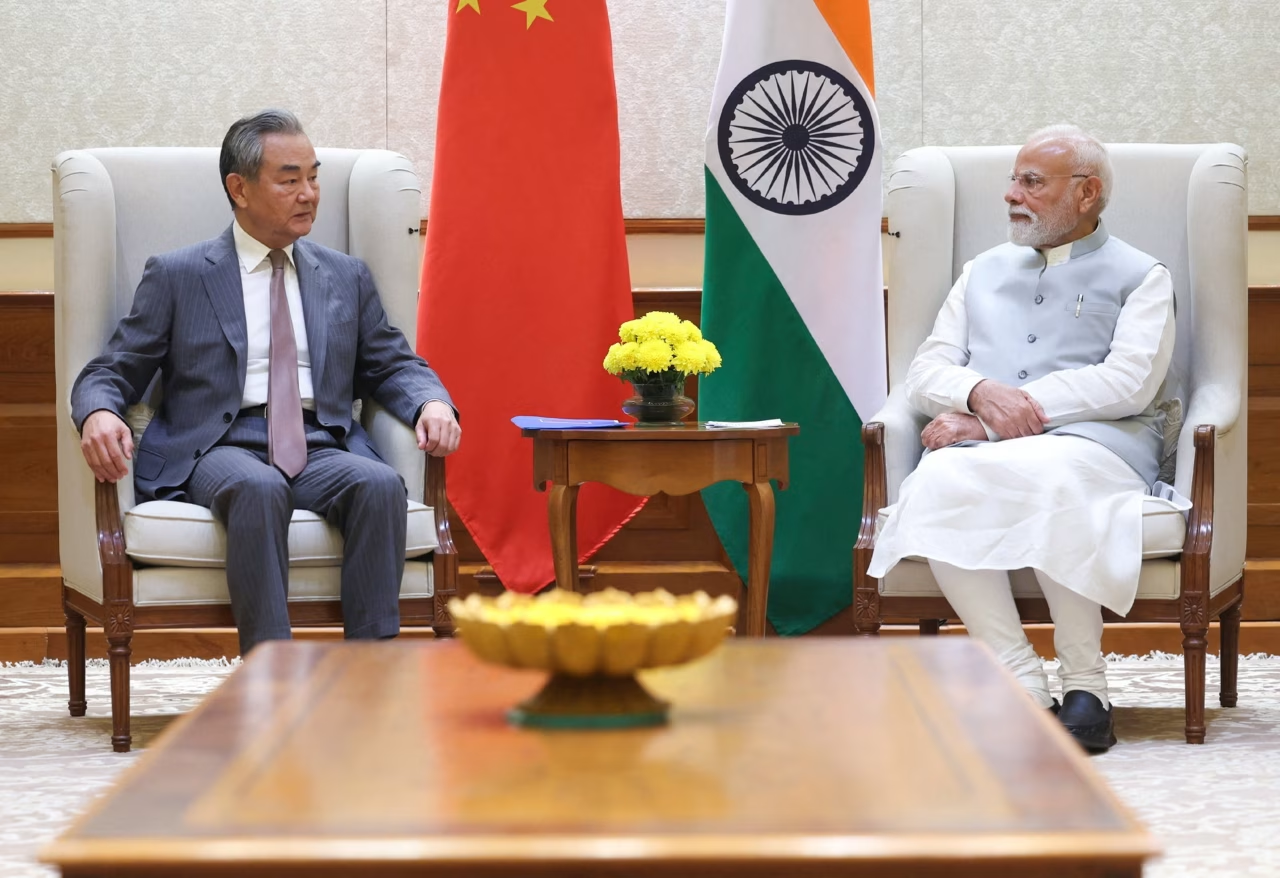
While India was preparing its counter-strategy, an unexpected diplomatic twist emerged: publicly extended its support to India against Trump’s tariff decision. Considering the often tense and competitive nature of Sino-Indian relations, this development surprised analysts and created global headlines.
So why did China, traditionally seen as a rival, come forward to support India? What are the implications of this unusual alignment? And how does this affect the future of global trade politics?
In this blog, we break it down into 10 key things you need to know about this geopolitical moment.
1. Trump’s Tariff War: The Trigger Point
Donald Trump has always been vocal about protecting American industries through aggressive tariff policies. His administration argued that tariffs on Indian goods were necessary because:
- The U.S. trade deficit with India was widening.
- American farmers and industries were losing competitiveness.
- India’s purchase of cheap Russian oil and refusal to align fully with Western sanctions was irking Washington.
When tariffs shot up to 25%, and then to 50%, New Delhi condemned the move, calling it “unilateral and protectionist.” But what shocked the world was that China—itself often at odds with India—chose to stand by New Delhi in this matter.
2. China’s Own History with Trump’s Tariffs
This support cannot be understood without remembering that China has been the biggest target of Trump’s tariff war since his first presidential term.
- Trump imposed tariffs worth hundreds of billions of dollars on Chinese imports, citing unfair trade practices.
- Beijing responded with retaliatory tariffs, sparking a prolonged U.S.–China trade war.
- Chinese businesses, especially in manufacturing and technology, faced significant strain.
Thus, when India became Trump’s next big target, China saw a reflection of its own struggle. Extending support to India was not just about goodwill; it was about building a coalition of countries against Trump’s aggressive trade protectionism.
3. A Rare Alignment Between Rivals
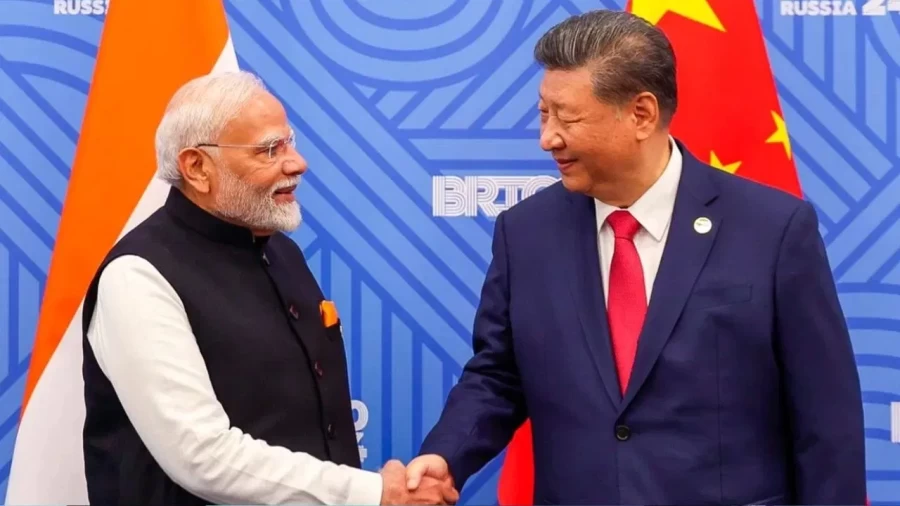
India and China have complicated relations. From border disputes in Ladakh to competition in the Indo-Pacific, both countries are strategic rivals. Yet, in global trade, there are moments where their interests converge.
In this case, both countries shared a common cause:
- Opposing Trump’s unilateral tariff hikes.
- Protecting the interests of Asian exporters.
- Sending a message to Washington that Asia will not bow down to American economic bullying.
This rare alignment shows how geopolitical pragmatism can sometimes override rivalry.
4. China’s Message: Building a Trade Bloc Against U.S. Pressure
China’s support for India is also part of a bigger geopolitical strategy. Beijing has been trying to position itself as the leader of a global coalition resisting Western protectionism.
By supporting India, China is:
- Strengthening its image as a champion of free trade.
- Trying to pull India closer into its orbit, at least on economic issues.
- Sending a signal to Washington that U.S. tariffs could push rivals and competitors together.
For India, this opens up both opportunities and dilemmas: while it welcomes support, it must balance it against long-standing mistrust of Beijing.
5. India’s Cautious Response
Interestingly, the Indian government welcomed statement of support but remained cautious. Officials in New Delhi stressed that:
- India values global cooperation against protectionism.
- However, India’s foreign policy remains independent and non-aligned.
- New Delhi will not allow its trade dispute with Washington to be hijacked into a China-led coalition.
This shows India’s classic diplomatic style: accept support, but avoid dependency.
6. Impact on U.S.–India Relations
China’s support to India also complicates New Delhi’s ties with Washington.
- On one hand, the U.S. and India have grown closer in defense, technology, and Indo-Pacific cooperation.
- On the other, Trump’s tariffs directly hurt Indian farmers and exporters.
- Now, with China stepping in, Washington may fear that India could lean away from the U.S. on trade matters.
This creates a new diplomatic tightrope for India — managing its partnership with the U.S. while not rejecting China’s unexpected olive branch.
7. Global Reactions – From WTO to the EU
The World Trade Organization (WTO) has already expressed concerns over Trump’s tariff measures. China’s support to India is likely to strengthen calls for collective action at the WTO.
- European Union (EU) officials have also criticized Trump’s tariffs, saying they destabilize global markets.
- Developing countries in Asia, Africa, and Latin America may see India–China coordination as a positive example of standing up to protectionism.
Thus, this single gesture may have ripple effects across the global trading system.
8. Economic Logic: Why China Supports India
Beyond geopolitics, there are clear economic reasons for China’s support.
- Shared Export Markets: Both India and China rely heavily on U.S. consumers. Tariffs hurt their industries.
- Supply Chain Connections: Indian exports often include Chinese components. Higher tariffs hurt both sides indirectly.
- Future Cooperation: By supporting India now, China could open doors for future trade deals or partnerships.
In short, this is not charity. It is a strategic economic calculation.

9. The Domestic Angle in China and India
In China:
Beijing’s leadership wants to show its people that it is not isolated in its trade battles with the U.S. Supporting India is part of its narrative that “the world is with us.”
In India:
The Modi government is under pressure to protect farmers and exporters from tariff shocks. Having China’s support gives it diplomatic leverage and strengthens its case in global forums.
10. What This Means for the Future
The big question: Is this a one-time coincidence, or the beginning of a new phase in India–China relations?
- Most analysts believe this is a tactical alignment, not a long-term partnership.
- Border tensions and strategic rivalry are too deep to ignore.
- Yet, on trade issues, especially against U.S. protectionism, India and China may find common ground again in the future.
This incident also highlights a larger trend: as the U.S. pursues aggressive tariffs, it may unintentionally push its rivals and competitors closer together.
Conclusion
The sight of China standing with India against Trump’s tariff decision is one of the most intriguing twists in recent geopolitics. For decades, India and China have been rivals, often clashing on borders, influence, and strategy. Yet, when faced with a common challenge in the form of U.S. tariffs, they found themselves on the same side of the argument.
This episode teaches us three things:
- In geopolitics, there are no permanent friends or enemies — only permanent interests.
- Trade wars can create unexpected alliances, even among rivals.
- For India, the challenge is to use such support smartly, without compromising its strategic autonomy.
Whether this marks a temporary alignment or a new trend in global trade politics remains to be seen. But one thing is certain — Trump’s tariffs have reshaped the diplomatic chessboard, bringing India and China together, at least for now.
Read more latest news

