IPL 2026 Venue Crisis: Why RCB and Rajasthan Royals Are Under Pressure After BCCI’s Ultimatum
BCCI has given ultimatum As preparations for IPL 2026 gather momentum, an unexpected administrative challenge has emerged that could significantly impact two of the league’s most followed franchises—Royal Challengers Bengaluru (RCB) and Rajasthan Royals (RR). Ahead of the new season, the BCCI has given ultimatum to both franchises to finalize their respective home venues by January 27, placing them in a race against time. This directive has not come without complications, as regulatory hurdles at Bengaluru’s M. Chinnaswamy Stadium and governance uncertainty within the Rajasthan Cricket Association (RCA) have created a complex situation for both teams.
The development has sparked widespread debate among fans, administrators, and former players, highlighting how off-field governance issues can directly influence on-field cricketing operations. The BCCI has given ultimatum at a time when franchises are already busy with squad planning, logistical arrangements, and commercial commitments for the next IPL cycle.
Why Venue Finalization Is Crucial for IPL 2026
The Indian Premier League is not just a cricket tournament; it is a massive logistical operation involving broadcasters, sponsors, state associations, security agencies, and local governments. Home venues play a central role in scheduling, ticketing, hospitality, and fan engagement.
For this reason, the BCCI has given ultimatum well in advance, insisting that franchises confirm their home grounds so that the master schedule for IPL 2026 can be prepared without uncertainty. Any delay in venue confirmation could disrupt broadcasting plans, travel itineraries, and commercial agreements worth hundreds of crores.
While most franchises have already locked in their stadiums, RCB and Rajasthan Royals remain exceptions—each for very different reasons.
RCB and the Chinnaswamy Stadium Regulations
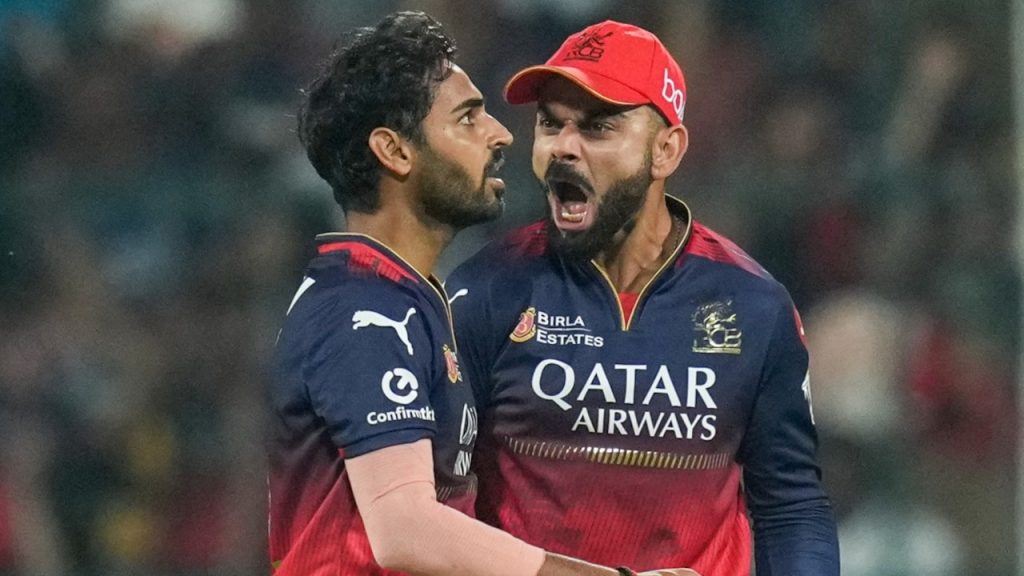
For Royal Challengers Bengaluru, the issue revolves around their iconic home ground, the M. Chinnaswamy Stadium. Located in the heart of Bengaluru, the stadium has been RCB’s fortress since the inception of the IPL. However, in recent years, increased scrutiny over crowd management, safety norms, and urban regulations has complicated its usage.
Sources indicate that updated stadium regulations—covering crowd capacity, parking restrictions, fire safety norms, and environmental compliance—are yet to receive final clearance from local authorities. As a result, the BCCI has given ultimatum to RCB to either secure all approvals for Chinnaswamy Stadium or identify an alternative venue before the deadline.
For RCB, moving away from Chinnaswamy would be emotionally and commercially challenging. The stadium is deeply connected to the franchise’s identity and fan culture, making the ultimatum particularly significant.
Rajasthan Royals and the RCA Uncertainty
Rajasthan Royals face a different but equally complex challenge. Their traditional home venue, the Sawai Mansingh Stadium in Jaipur, falls under the jurisdiction of the Rajasthan Cricket Association. However, the RCA has been plagued by administrative instability for years, with disputes over leadership, elections, and recognition.
Because of this uncertainty, the BCCI has given ultimatum to Rajasthan Royals to confirm whether they can reliably use Jaipur as their home base for IPL 2026 or whether they must shift to another city. Without clarity from the RCA, the franchise risks being left without an approved venue when the schedule is finalized.
The situation underscores how state association governance issues can directly affect IPL franchises, despite the league being centrally administered by the BCCI.
Why the BCCI Is Taking a Firm Stand
The decision that the BCCI has given ultimatum is not arbitrary. From the board’s perspective, consistency and predictability are essential for a tournament of IPL’s scale. In previous seasons, last-minute venue changes due to administrative or political issues have caused logistical headaches.
By setting a firm January 27 deadline, the BCCI aims to avoid uncertainty and ensure that IPL 2026 runs smoothly. Officials believe that franchises must take responsibility for resolving local issues well in advance, rather than relying on last-minute interventions.
The BCCI has given ultimatum also sends a broader message to state associations and franchises alike: compliance and preparedness are non-negotiable in modern professional cricket.

Possible Alternative Venues for RCB
If regulatory clearances for Chinnaswamy Stadium are delayed, RCB may be forced to consider alternative venues. Options reportedly include grounds in Mysuru, Hubballi, or even temporary relocation outside Karnataka.
However, each option comes with its own challenges—ranging from smaller seating capacity to weaker commercial appeal. This is why the BCCI has given ultimatum has placed RCB management under immense pressure to resolve matters quickly.
A venue shift could also impact team performance, as home advantage plays a crucial role in the IPL’s competitive environment.
Rajasthan Royals’ Backup Plans
Rajasthan Royals have previously played home matches in venues outside Jaipur, including Guwahati and Ahmedabad, when RCA-related issues arose. With the BCCI has given ultimatum, the franchise may again explore such options if clarity is not achieved soon.
However, frequent venue changes can dilute local fan engagement and brand identity. For a franchise that prides itself on grassroots connections, losing Jaipur as a stable home base would be a significant setback.
Impact on Fans and Local Economies
When the BCCI has given ultimatum, it is not just franchises that feel the impact—fans and local economies do as well. Home matches generate significant revenue for host cities through tourism, hospitality, and local businesses.
In Bengaluru and Jaipur, IPL matches are major events that bring in thousands of visiting fans. Uncertainty over venues creates anxiety not just among supporters, but also among stakeholders who depend on matchday economic activity.
Commercial and Sponsorship Implications
Sponsors and advertisers closely associate teams with their home venues. The BCCI has given ultimatum at a time when franchises are negotiating sponsorship renewals and partnerships for IPL 2026.
Any ambiguity over home venues can weaken a franchise’s commercial pitch. Brands prefer stability and predictability, especially when investing large sums in team sponsorships and stadium branding.
What This Means for IPL 2026 Scheduling
Scheduling the IPL is a complex task that balances travel efficiency, broadcast requirements, and competitive fairness. The BCCI has given ultimatum precisely because unresolved venue issues can disrupt this delicate balance.
If RCB or Rajasthan Royals fail to meet the deadline, the BCCI may step in to assign neutral or alternative venues—an outcome neither franchise desires.
A Broader Governance Issue in Indian Cricket
Beyond IPL 2026, this episode highlights deeper governance challenges in Indian cricket infrastructure. When the BCCI has given ultimatum, it exposes the gap between the league’s global stature and the administrative inconsistencies at the state level.
Experts argue that long-term solutions are needed, including clearer accountability mechanisms for state associations and stronger coordination between franchises and local authorities.
Voices from the Cricketing Community
Former players and analysts have weighed in on the situation, noting that while the BCCI has given ultimatum may seem harsh, it reflects professional standards expected of a league like the IPL.
Many believe that franchises must proactively address off-field issues rather than relying on their popularity or legacy to secure exceptions.
What Happens If the Deadline Is Missed?
If the January 27 deadline passes without confirmation, the consequences could be severe. The BCCI has given ultimatum with the implicit understanding that failure to comply may result in loss of preferred home venues.
In extreme cases, franchises could be forced to play multiple “home” matches at neutral venues, reducing their competitive advantage.
Lessons for Other Franchises
The fact that the BCCI has given ultimatum to two high-profile teams serves as a warning to others. No franchise, regardless of brand value or fan base, is above administrative discipline.
This approach reinforces the IPL’s image as a professionally managed league rather than a loosely organized tournament.
Balancing Tradition and Regulation
For both RCB and Rajasthan Royals, the crisis is about balancing tradition with modern regulatory demands. The BCCI has given ultimatum not to undermine heritage, but to ensure that safety, governance, and operational standards are met.
The challenge lies in adapting iconic venues and legacy associations to contemporary expectations.
A Defining Moment Ahead of IPL 2026
As the deadline approaches, the pressure mounts. The BCCI has given ultimatum that could redefine how franchises manage their off-field responsibilities going forward.
Whether RCB retains Chinnaswamy Stadium and Rajasthan Royals secure Jaipur will depend on swift decision-making and administrative efficiency in the coming days.
Conclusion: More Than Just a Venue Issue
Ultimately, this situation is about more than stadiums. The fact that the BCCI has given ultimatum highlights the evolving professionalism of Indian cricket. IPL franchises are no longer just teams; they are corporate entities expected to meet strict operational standards.
How RCB and Rajasthan Royals respond will not only shape their IPL 2026 campaigns but also set a precedent for future seasons. In a league where margins are slim and stakes are high, resolving off-field challenges may prove just as crucial as winning matches on the field.
Read more latest sport news