
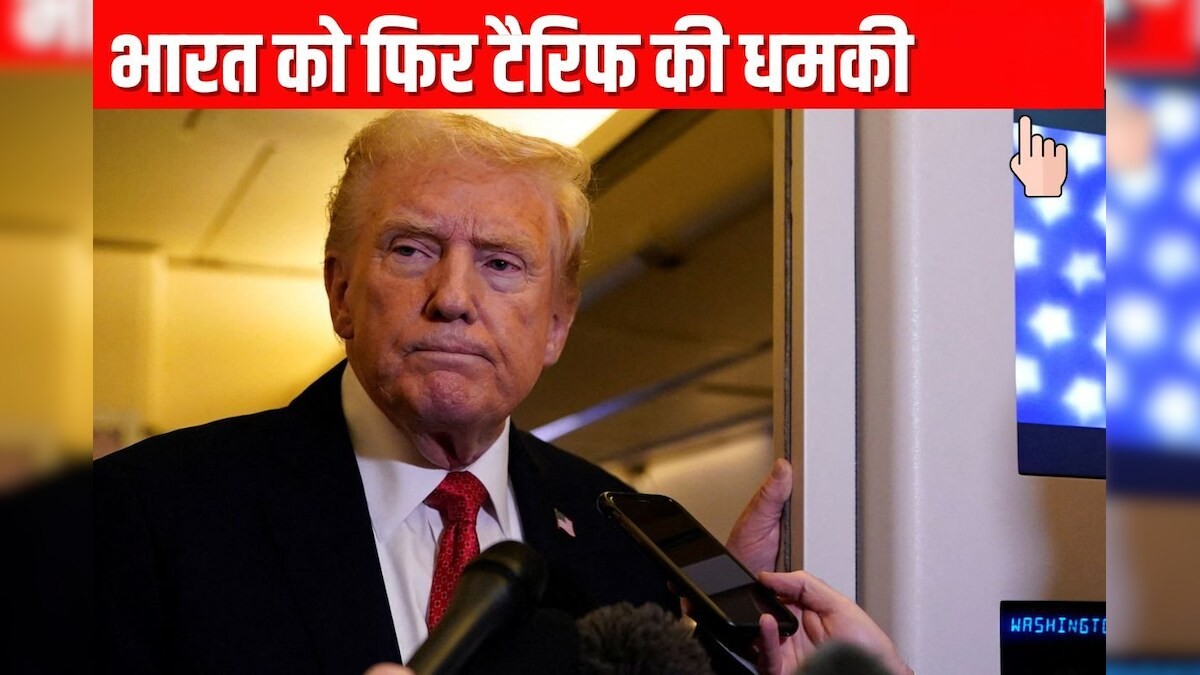
Trump New Tariff Plan: A Deep Dive into 500% US Tariffs on Russia Oil Buyers and What it Means for India and China
In early 2026, global economic and geopolitical debates were shaken by a bold development in U.S. foreign policy: Trump new tariff plan proposing a 500% US tariff on countries that buy Russian oil. This radical escalation is part of the Sanctioning Russia Act of 2025, backed by President Donald Trump and key U.S. lawmakers as a blunt economic tool against Russia and its trading partners. Media in the U.S. and globally now widely report that countries like India, China, and Brazil could face unprecedented trade penalties as a result of this policy shift.
In this analysis, we explore the Trump new tariff plan in detail — why it was proposed, how it is designed to work, and what its implications are for Indian and Chinese trade, diplomacy, energy security, and the broader global economy.
What Is the Trump New Tariff Plan?
The core of the Trump new tariff plan is the idea that countries who import oil and energy products from Russia — a major revenue source for the Kremlin — should face massive punitive tariffs on all goods they export into the United States. Under the proposed Sanctioning Russia Act of 2025, the minimum tariff level for offending countries could reach 500% of the value of their goods and services.
According to the bill’s sponsors, including Republican Senator Lindsey Graham, President Trump has endorsed this measure as part of U.S. efforts to apply economic pressure on Russia and cut off financing for its military operations, particularly in Ukraine. The new tariffs are designed to be a lever to force countries like India and China — which are among the largest buyers of affordable Russian crude — to reduce or eliminate these purchases.
What makes this Trump new tariff plan unusual is both the scale of the proposed tariff — 500% is far beyond traditional trade penalties — and the specific link between foreign energy policy and U.S. trade law. The idea is that nations who “knowingly engage in the exchange of Russian-origin petroleum products” could face severe trade consequences.

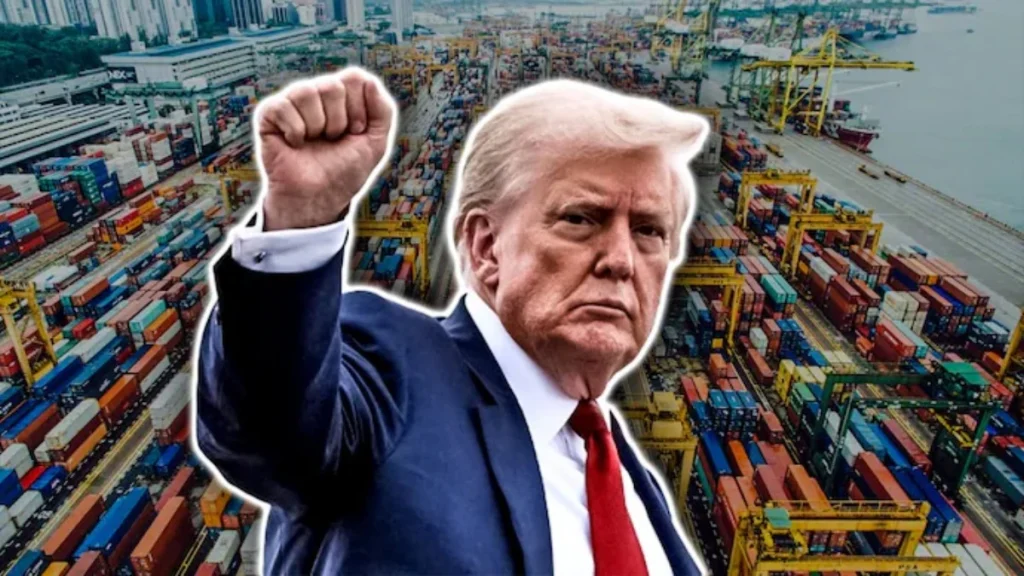
Historical Background: Why This Tariff Proposal Emerged
To understand the Trump new tariff plan, we need to briefly revisit recent history of U.S.–Russia relations and global energy trade.
After Russia’s invasion of Ukraine in 2022, the United States and many Western allies imposed sweeping sanctions on Moscow’s financial, defense, and energy sectors. However, oil and gas markets proved difficult to fully isolate. Countries in Asia, especially China and India, continued importing large volumes of Russian crude at discounted rates, arguing these purchases were essential for their energy security and economic growth.
U.S. policymakers, including the Trump administration upon his re-election, argued that these energy purchases indirectly funded Moscow’s military. The view in Washington was that merely sanctioning Russia’s energy companies was insufficient — secondary sanctions targeting trading partners might be necessary. This thinking directly led to what we now know as the Trump new tariff plan.
Another factor is domestic U.S. politics: President Trump has repeatedly positioned himself as a hardline leader on Russia and a defender of U.S. economic interests. The Trump new tariff plan also reflects his longstanding preference for using tariffs as leverage — a policy approach he trademarked during his first presidency.
Key Features of the Trump New Tariff Plan
The Trump new tariff plan is centered around a few major elements that set it apart from previous U.S. trade policies:
500% Minimum Tariff
- The bill mandates that all goods and services imported into the United States from any country that knowingly purchases Russian-origin oil, gas, uranium, or petrochemicals be subject to a minimum 500% tariff.
- This is unprecedented; typical punitive tariffs rarely exceed 100–150% even in contentious trade disputes.
Triggered by Trade Behavior
- Unlike most trade sanctions which are triggered by human rights violations or military conflicts, this tariff is explicitly tied to energy trade behavior — i.e., buying Russian energy.
- This connection between energy imports and trade penalties is unique to the Trump new tariff plan.
Waiver Provision
- The bill reportedly includes a waiver mechanism that allows the U.S. President to grant a single 180-day waiver based on national security interests, offering some diplomatic flexibility.
Broad Impact
- The tariff would apply to all goods imported from offending countries, not just energy products. This means that export sectors like textiles, machinery, electronics, pharmaceuticals, and consumer goods could become economically unviable in the U.S. market.
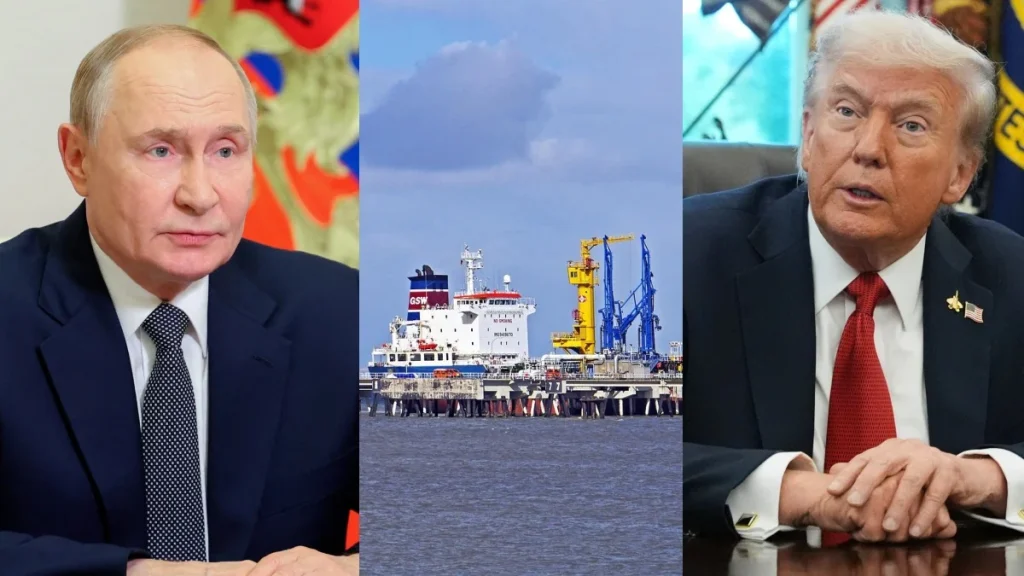
Why India Is a Central Concern
India is a key focus of debates over the Trump new tariff plan for several reasons:
India’s Russian Oil Purchases
- India has been one of the top buyers of Russian oil for several years, often at significant discounts compared to Middle Eastern crude markets.
- This has helped secure energy supplies for its massive economy but has increasingly drawn attention from U.S. officials seeking to isolate Russia economically.
Existing Tariff Tensions
- Even before the 500% tariff proposal, the United States under President Trump had already imposed extra tariffs on Indian exports over Russian oil imports, raising them to about 50% total — among the highest rates for any U.S. trade partner.
Trade Value at Risk
- India exported roughly $100–120 billion worth of goods to the U.S. in 2025. A 500% tariff on such trade would make the vast majority of these exports commercially unviable, significantly shrinking India’s access to its largest export market.
Political Reactions
- Indian officials have protested these tariffs as “unfair, unjustified, and unreasonable,” arguing that energy purchases are driven by market and security needs, not geopolitical alignment with Russia.
For India, the Trump new tariff plan therefore represents not just a diplomatic irritant, but a potential economic and energy policy crisis.
China’s Position Under the Trump New Tariff Plan
China plays a similarly critical role in the analysis of the Trump new tariff plan:
China: Russia’s Largest Energy Customer
- China has been the largest global buyer of Russian oil and gas, accounting for a significant share of Moscow’s energy exports. Under the terms of the proposed tariff legislation, this makes China a primary target if the bill goes into effect.
Economic Exposure
- China exports vast amounts of goods to the U.S., totaling hundreds of billions of dollars annually. A 500% tariff on these exports would be catastrophic, effectively cutting Beijing out of the U.S. market across multiple key manufacturing sectors.
Geopolitical Standoff
- Chinese leadership has already publicly criticized U.S. tariff threats, calling such moves “unilateral bullying” and promising countermeasures. This positions China-US relations on an increasingly adversarial trajectory if the Trump new tariff plan is enacted.
In effect, China faces a far broader set of trade and diplomatic implications under Trump new tariff plan, not least because of how integrated the U.S. and Chinese economies have been in recent decades.
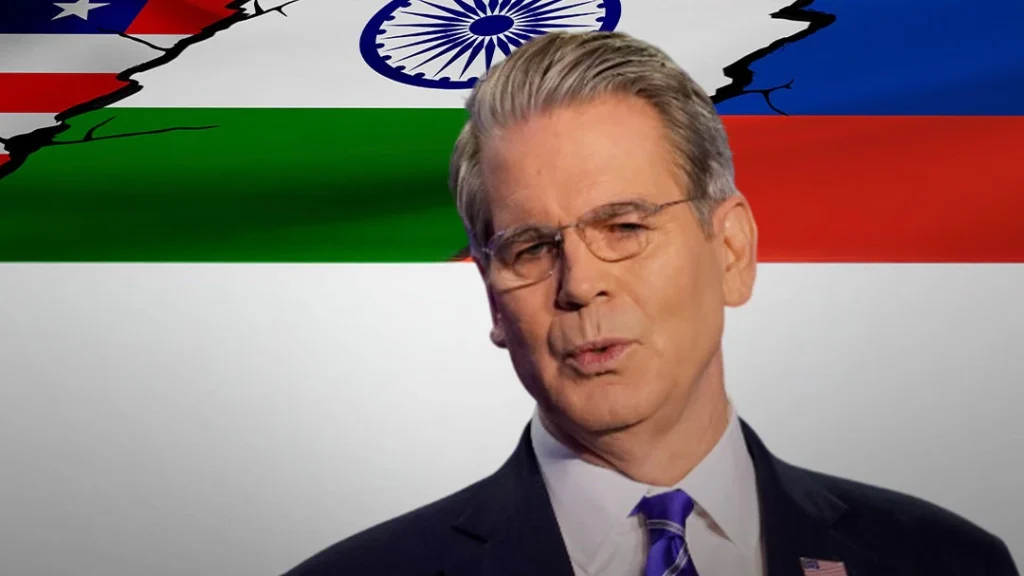
Political and Economic Reactions Globally
The Trump new tariff plan has already triggered widespread reactions:
International Diplomacy
- Many countries, especially India and China, view the tariff strategy as coercive and economically disruptive, potentially undermining trust in global trade systems such as the WTO.
- They argue that national energy policies should not be subject to trade penalties applied by third countries.
Global Trade Patterns
- Analysts warn that if the Trump new tariff plan becomes law, global supply chains may realign dramatically, with nations seeking alternative markets away from the U.S. and stronger regional trade blocs.
Energy Security Concerns
- Critics also argue that linking energy purchases to trade penalties could paradoxically increase global energy insecurity, especially for developing nations that rely on affordable oil imports for economic growth.
Impact Scenarios: India
If enforced, the Trump new tariff plan could have several distinct impacts on India:
Export Sector
- A 500% tariff would make Indian exports to the U.S. prohibitively expensive, reducing competitiveness in garments, gems and jewelry, textiles, machinery, pharmaceuticals, and more.
Energy Strategy
- India might be forced to seek alternative suppliers for crude oil — such as the Middle East or the U.S. — but this could increase energy costs and fuel inflation.
Diplomatic Relations
- The tariff proposal adds strain to U.S.-India ties even as both countries negotiate broader trade agreements and seek strategic cooperation on defense, technology, and regional security.
Impact Scenarios: China
For China, the Trump new tariff plan presents even higher stakes:
Manufacturing Exports
- China’s export engine is deeply tied to the U.S. market. A 500% tariff would decimate demand for Chinese electronics, machinery, and consumer products in America.
Retaliation Risk
- China has already signaled that it would respond forcefully to tariff threats, potentially including its own trade barriers or moves within international trade bodies.
Global Supply Chain Shifts
- Companies may accelerate diversification of manufacturing away from China to other Asian markets like Vietnam, India, and Indonesia in response to tariff risk.
Can the Trump New Tariff Plan Be Reversed or Modified?
The future of the Trump new tariff plan is not absolutely certain. The proposed legislation still requires passage through Congress, and there remains intense debate about its economic wisdom and potential unintended consequences.
Domestic U.S. Concerns
- Some U.S. economists warn that such extreme tariffs could raise prices for American consumers and disrupt businesses that rely on imported components.
Diplomatic Pushback
- India, China, and other affected countries may pursue diplomatic or legal objections through forums like the World Trade Organization (WTO).
However, with strong bipartisan support for sanctions against Russia and ongoing geopolitical tensions, parts of the Trump new tariff plan could still be enacted in some form.
Conclusion: A Turning Point in Global Trade?
The Trump new tariff plan, centered on a 500% US tariff for nations importing Russian oil, represents one of the most aggressive trade and sanctions strategies ever proposed by Washington. It unites trade policy with geopolitical objectives in a way that challenges traditional rules of global commerce.
For India and China in particular, the ramifications are vast — from export markets to energy policy and diplomatic strategy. How these nations respond will shape international trade patterns for years to come.
Whether the Trump new tariff plan ultimately becomes law or remains a powerful negotiation tool, its very existence highlights how deeply economic instruments like tariffs have become embedded in global geopolitics — and how energy security, trade, and diplomacy are increasingly inseparable.
Read More latest news

