

Middle East War Turns Into ‘Oil War’: US Israel Iran Conflict Escalates With Direct Attacks on Energy Bases
The global geopolitical landscape is witnessing a dramatic and dangerous shift as the Middle East War Turns Into Oil War. What began as a regional conflict between Iran and Israel, with the United States playing a strategic role, has now escalated into a direct battle over energy infrastructure. Oil depots, gas fields, refineries, and shipping routes have become prime targets, pushing the world closer to an unprecedented energy crisis.
A Dangerous Shift in Warfare
The phrase Middle East War Turns Into Oil War is no longer just an analysis—it is a reality unfolding on the ground. Traditionally, wars in the Middle East have been fought over territory, ideology, and influence. But in 2026, the battlefield has shifted to something even more critical: energy.
Recent airstrikes on Iran’s South Pars gas field—the world’s largest natural gas reserve—marked a turning point. The attack disrupted nearly 12% of Iran’s gas production and forced shutdowns of key refineries.
This is why experts are now saying the Middle East War Turns Into Oil War, as energy supply chains become the primary target.
Why Oil Has Become the Main Target
Oil is the lifeline of the global economy. From transportation to electricity, nearly every sector depends on it. By targeting oil and gas infrastructure, countries can:
- Cripple their opponent’s economy
- Disrupt global markets
- Create political pressure internationally
This strategic shift explains why the Middle East War Turns Into Oil War narrative is gaining traction.
In recent weeks:
- Oil storage depots in Tehran were bombed
- Gas pipelines in Iran were targeted
- Gulf energy facilities faced missile and drone attacks
Each of these actions reinforces how the Middle East War Turns Into Oil War is reshaping modern conflict.

Major Attacks on Energy Infrastructure
1. South Pars Gas Field Strike
One of the most significant moments came when Israel targeted Iran’s South Pars gas field. This single attack:
- Impacted global gas supply
- Halted refinery operations
- Triggered price spikes
This incident alone proves that the Middle East War Turns Into Oil War is not just symbolic—it has real economic consequences.
2. Attacks Across the Gulf
Iran retaliated by launching strikes on energy infrastructure across the Gulf region, including:
- Qatar’s LNG facilities
- Saudi oil installations
- UAE energy hubs
These retaliatory strikes further escalated tensions and solidified the fact that the Middle East War Turns Into Oil War.
3. Strait of Hormuz Tensions
The Strait of Hormuz, through which nearly 20% of global oil passes, has become a high-risk zone. The United States has deployed heavy military assets to secure this route amid threats and attacks on tankers.
This strategic chokepoint is central to why the Middle East War Turns Into Oil War is affecting the entire world.
Oil Prices Surge Globally
As expected, the Middle East War Turns Into Oil War has led to a sharp rise in oil prices. Brent crude has crossed $119 per barrel, reflecting market fears of supply disruptions.
Even minor disruptions in the Middle East can send shockwaves through global markets. With multiple energy facilities under attack, the situation is far more serious.
Environmental Impact of Oil Attacks
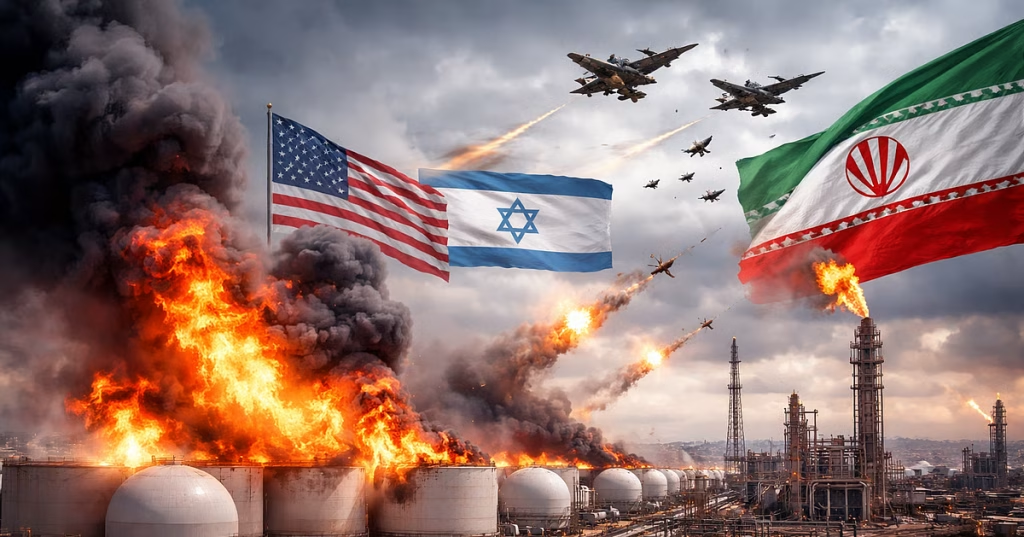
Another alarming consequence of the Middle East War Turns Into Oil War is environmental damage. Strikes on oil depots have caused:
- Massive fires
- Toxic smoke clouds
- Air pollution
These environmental hazards not only affect local populations but also contribute to global climate concerns.
Strategic Objectives Behind Energy Attacks
Why are countries targeting energy infrastructure?
1. Economic Warfare
Destroying oil facilities weakens an opponent’s economy.
2. Global Pressure
Rising oil prices force international powers to intervene.
3. Military Advantage
Energy shortages reduce a nation’s war capability.
All these factors explain why the Middle East War Turns Into Oil War is a calculated strategy rather than accidental escalation.
The Role of the United States
The United States has played a crucial role in the conflict, particularly in securing energy routes. Its military operations in the Strait of Hormuz aim to prevent disruptions in global oil supply.
At the same time, reports suggest coordination and strategic alignment with Israeli actions, especially in targeting key Iranian sites.
This involvement further strengthens the argument that the Middle East War Turns Into Oil War is now a global issue.
Israel’s Strategy
Israel’s attacks on Iranian energy infrastructure indicate a shift in military doctrine. Instead of focusing solely on military targets, the strategy now includes economic disruption.
Recent strikes on gas fields and oil depots show how Israel is actively contributing to the Middle East War Turns Into Oil War dynamic.
Iran’s Response
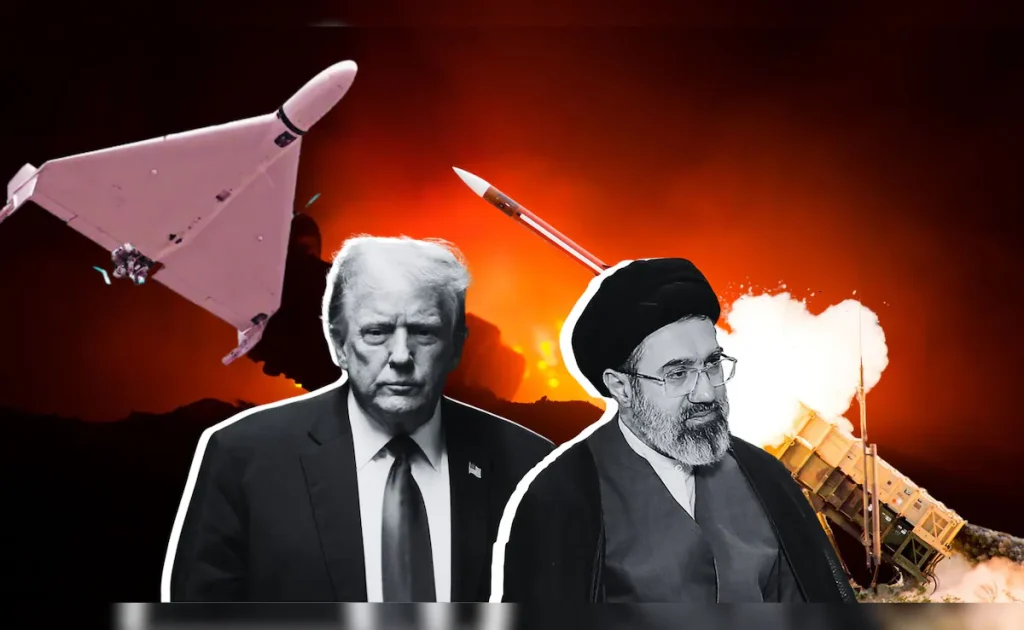
Iran has made it clear that it will respond aggressively to any attacks on its energy infrastructure. Officials have warned of “zero restraint” if such attacks continue.
Iran’s retaliatory strikes on Gulf energy facilities demonstrate its capability and willingness to escalate the Middle East War Turns Into Oil War.
Impact on India and Global Economy
India, being one of the largest importers of oil, is particularly vulnerable.
Key Impacts:
- Rising fuel prices
- Inflation
- Increased import bills
The Middle East War Turns Into Oil War directly affects India’s economy, making it a major concern for policymakers.
Globally, the consequences include:
- Stock market volatility
- Supply chain disruptions
- Energy shortages
A New Kind of Warfare
The transformation of conflict into an energy war signals a new era of warfare. The Middle East War Turns Into Oil War highlights how modern conflicts are no longer confined to borders—they impact the entire world.
Energy infrastructure is now as critical as military bases, if not more.
Could This Lead to a Global Crisis?
If the conflict continues to escalate, the consequences could be severe:
- Global recession
- Energy shortages
- Wider military conflict
The Middle East War Turns Into Oil War has the potential to trigger a crisis similar to the oil shocks of the 1970s—but on a much larger scale.
Diplomatic Efforts and Challenges
Despite rising tensions, there have been calls for de-escalation. However, the focus on energy targets makes negotiations more complicated.
Any agreement would need to address:
- Protection of energy infrastructure
- Stability of oil supply routes
- Security guarantees
Until then, the Middle East War Turns Into Oil War will continue to dominate global headlines.
The Bigger Picture
The ongoing conflict is not just about Iran, Israel, or the United States. It is about control over global energy resources.
The Middle East War Turns Into Oil War represents a shift in power dynamics, where energy becomes both a weapon and a target.
Conclusion
The transformation of the conflict into an energy-focused war marks a critical moment in global history. The Middle East War Turns Into Oil War is not just a regional issue—it is a global crisis in the making.
With attacks on oil fields, gas plants, and shipping routes, the stakes have never been higher. The world is now watching closely, as the outcome of this conflict could redefine the future of energy security.
Read More latest news

