
UNICEF Report
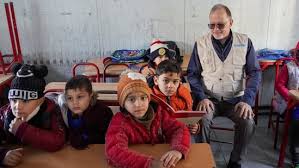
UNICEF The increasing frequency and intensity of extreme weather events are no longer distant threats; they are a grim reality affecting millions of children worldwide. According to UNICEF’s recent report, a staggering 242 million children across 85 countries are experiencing severe disruptions due to extreme weather conditions. These include floods, droughts, cyclones, and wildfires, which have exacerbated vulnerabilities, disrupted education, displaced families, and compromised access to essential services.
This report sheds light on the profound impact of climate change on the most vulnerable population—children. It also calls for immediate action to mitigate these effects and protect the rights and well-being of the younger generation.
1. The Scale of the Crisis UNICEF
1.1 Global Impact on Children
- 242 million affected: These children face disruptions ranging from lack of schooling to malnutrition, disease outbreaks, and displacement.
- 85 countries: The nations impacted span continents, with low- and middle-income countries bearing the brunt due to limited resources to combat these crises.
1.2 Types of Weather Disruptions UNICEF
- Floods and Storms: Torrential rains and cyclones are leading causes of displacement, with thousands of schools and homes destroyed annually.
- Droughts: Prolonged dry spells have led to water shortages and food insecurity, particularly in Africa and South Asia.
- Wildfires: Escalating wildfires, particularly in regions like Australia and the Americas, pose risks to health and safety.
- Extreme Heat Waves: Prolonged heat events disrupt daily life, increase health risks, and hinder access to education.
2. Children at the Frontline of Climate Change UNICEF
2.1 Why Children Are Most Vulnerable
Children are disproportionately affected by extreme weather events because of:
- Physical vulnerability: Their developing bodies are more susceptible to heat, malnutrition, and disease.
- Dependency: They rely on adults and community structures that are often destabilized during crises.
- Long-term effects: Disruptions to education and healthcare during formative years can have lifelong consequences.
2.2 UNICEF’s Key Findings
The report highlights:
- Education disruptions: Millions of children miss school due to damaged infrastructure or displacement.
- Health crises: Climate-induced outbreaks of diseases like cholera, malaria, and dengue have surged.
- Psychological impact: Experiencing extreme weather events leads to trauma, anxiety, and stress among children.
3. Case Studies from Affected Regions UNICEF
3.1 South Asia
- Floods in Pakistan (2022): Over 33 million people were affected, including 16 million children. Thousands of schools were destroyed, leaving millions without education.
- Drought in India: Regions like Maharashtra and Rajasthan face recurring droughts, exacerbating malnutrition and water scarcity for millions of children.
3.2 Sub-Saharan Africa
- Horn of Africa Drought: The worst drought in decades has left 10 million children at risk of starvation across Ethiopia, Somalia, and Kenya.
- Cyclone Idai (Mozambique): In 2019, this cyclone displaced over 1.5 million people, with children representing the majority of those affected.
3.3 Latin America and the Caribbean
- Hurricanes in the Caribbean: Repeated hurricanes have devastated schools and homes, leaving children in long-term displacement.
- Amazon Wildfires: The health of children in the Amazon basin is severely impacted by smoke inhalation and water contamination.
3.4 Developed Nations
- Heatwaves in Europe: Prolonged heat spells have affected children’s education, with schools forced to close during extreme temperatures.
- Wildfires in Australia and California: Children face displacement, loss of homes, and respiratory health issues.
4. The Role of Climate Change
4.1 Climate Change as a Multiplier
The increase in extreme weather events is directly linked to climate change, which acts as a “threat multiplier.” Rising global temperatures exacerbate:
- Rainfall patterns: Leading to more severe floods and droughts.
- Sea-level rise: Increasing the vulnerability of coastal communities to storms and cyclones.
- Biodiversity loss: Affecting food security and access to clean water.
4.2 Future Projections
- By 2050, over 1 billion children are expected to face “extremely high-risk” conditions due to climate change if global warming continues unabated.
5. Impact on Education
5.1 School Closures
- Extreme weather has destroyed schools, making education inaccessible for millions of children.
- Temporary shelters for displaced families often fail to provide learning environments.
5.2 Gendered Impacts
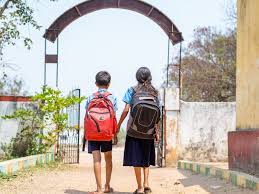
- Girls are disproportionately affected as they are often forced to drop out of school during crises to help with household responsibilities or face increased risks of child marriage.
5.3 Long-Term Implications
Interrupted education due to climate disruptions:
- Reduces future earning potential.
- Limits economic growth for communities and nations.
- Perpetuates cycles of poverty and inequality.
6. Health and Nutrition Crisis
6.1 Malnutrition and Hunger
- Droughts and floods destroy crops, leading to food shortages.
- Malnourished children are more susceptible to diseases and developmental issues.
6.2 Disease Outbreaks
- Floods and stagnant water lead to cholera and mosquito-borne diseases like malaria.
- Smoke from wildfires worsens respiratory conditions, especially in children.
6.3 Access to Healthcare
Disrupted healthcare services during extreme weather events:
- Delay immunizations.
- Prevent access to maternal and child health services.
7. Solutions and Recommendations
7.1 Immediate Interventions
- Emergency Response Systems: Rapid deployment of relief efforts to affected areas.
- Child-Focused Aid: Prioritizing children in disaster management plans.
- Psychosocial Support: Providing mental health services to children affected by trauma.
7.2 Long-Term Strategies
- Climate-Resilient Infrastructure:
- Building flood-proof schools and hospitals.
- Investing in renewable energy and sustainable agriculture.
- Education Reforms:
- Incorporating climate education into curricula.
- Providing digital learning tools for continuity during disasters.
- Global Cooperation:
- Developed nations fulfilling climate finance commitments.
- Strengthening international frameworks like the Paris Agreement.
7.3 Role of Governments and NGOs
- Governments must integrate child welfare into national climate policies.
- NGOs like UNICEF should continue to lead on-ground efforts and awareness campaigns.
8. Calls for Collective Action
8.1 Advocacy by UNICEF
UNICEF has called for:
- Urgent funding to support vulnerable children.
- Global leaders to prioritize children in climate negotiations.
- Businesses to adopt sustainable practices that reduce emissions.
8.2 Voices of the Youth
- Youth activists like Greta Thunberg emphasize the intergenerational injustice of climate inaction.
- Children from affected regions are increasingly speaking out, demanding accountability and solutions.
9. Conclusion: A Shared Responsibility
The staggering figure of 242 million children affected by extreme weather should serve as a wake-up call for global leaders, policymakers, and communities. As UNICEF emphasizes, children bear the smallest responsibility for climate change yet suffer its harshest consequences. Addressing this crisis requires urgent, coordinated action to reduce emissions, build resilience, and ensure every child’s right to safety, education, and health.
By prioritizing the needs of the youngest and most vulnerable, the world can not only address the immediate impacts of extreme weather but also lay the foundation for a more sustainable and equitable future.
Read More Latest News

