

US President Donald Trump Performs Traditional Dance in Malaysia: A Symbol of Cultural Diplomacy and Global Connection
Introduction: A Diplomatic Visit with a Cultural Twist
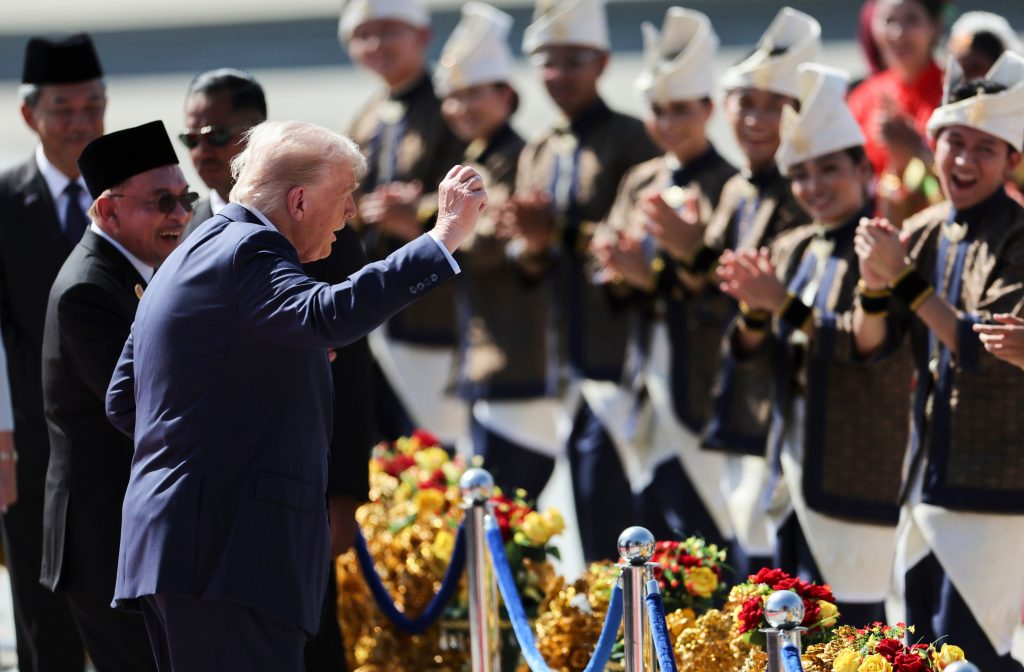
In a moment that surprised both the international community and the Malaysian hosts, US President Donald Trump joined in a traditional Malaysian dance performance during his visit to Kuala Lumpur on Sunday. As he arrived for a high-level diplomatic meeting, US President Donald Trump brief yet enthusiastic participation in the traditional dance, set to the upbeat tune of Hawaii Five-O, became the highlight of his trip and an instant social media sensation.
While the act seemed spontaneous, it carried profound symbolic importance—a gesture of cultural respect, diplomacy, and people-to-people connection. The sight of the American President joining Malaysian performers reflected not only a lighter side of global politics but also the power of cultural exchange in strengthening international relations.
A Warm Malaysian Welcome: Tradition Meets Modernity
Malaysia is known for its deep-rooted hospitality and cultural richness. Every state in the country has its own unique dance form, from Zapin and Joget to Mak Yong and Bharatanatyam-inspired performances—a reflection of the country’s multicultural heritage.
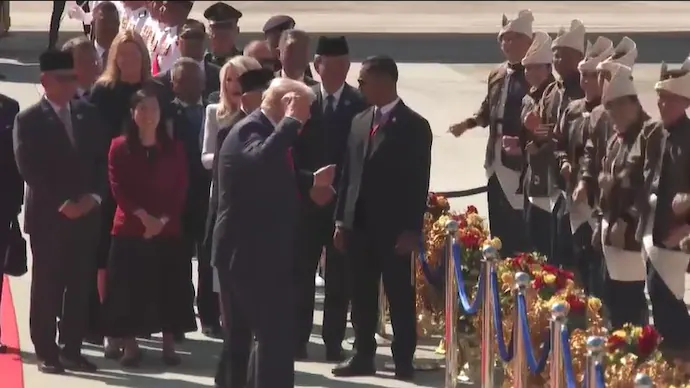
When President US President Donald Trump arrived at Kuala Lumpur International Airport, he was greeted by dignitaries, local officials, and performers dressed in colorful traditional attire. The performers began a short cultural program meant to welcome the visiting leader. As the rhythmic beats played, Trump smiled, applauded, and eventually joined in the dance—prompting laughter, cheers, and applause from both the Malaysian audience and the American delegation.
His participation in the traditional performance was brief but memorable. For a few minutes, the usually formal atmosphere of diplomatic arrival ceremonies turned into a scene of cultural celebration.
The Hawaii Five-O Surprise
Adding an unexpected twist to the event, the traditional dancers performed to a Malaysian adaptation of the famous Hawaii Five-O theme song—known globally for its upbeat rhythm and connection to Pacific culture.
Observers say this was a creative choice by the Malaysian organizers to bridge East and West through music. The tune resonated with the American guests, while the dance remained authentically Malaysian. US President Donald Trump decision to sway and clap along with the performers showed a side of diplomacy rarely seen—spontaneous, human, and relatable.
Cultural Diplomacy in Action
Cultural diplomacy has long been a soft power tool in international relations. When world leaders engage with local traditions, they send a message that transcends politics and policy.
US President Donald Trump gesture in Malaysia echoed similar moments in history:
- Barack Obama once joined children for a haka-inspired dance in New Zealand.
- Queen Elizabeth II often donned local attire during her visits across the Commonwealth.
- Vladimir Putin and Xi Jinping have both attended and participated in traditional performances to emphasize mutual respect with their hosts.
US President Donald Trump participation in Malaysia falls into the same category—symbolic yet impactful. For Malaysia, it was a proud moment to see its culture showcased on the world stage. For the United States, it was an opportunity to demonstrate friendship and openness beyond the confines of formal diplomacy.
The Diplomatic Context of the Visit
US President Donald Trump visit to Malaysia was part of his Asia-Pacific diplomatic tour, which aimed to reinforce economic cooperation, strengthen security partnerships, and promote regional stability. Malaysia, being a key member of the Association of Southeast Asian Nations (ASEAN), holds strategic importance for the United States’ Indo-Pacific policy.
The visit included discussions on:
- Expanding trade ties between the two nations.
- Counterterrorism and maritime security cooperation.
- Technology transfer and digital innovation partnerships.
- Climate and energy collaborations.
Amid these serious topics, US President Donald Trump impromptu dance offered a refreshing, humanizing contrast—a reminder that diplomacy is not just about deals and documents but also about understanding cultures and building trust.
Reactions Around the World
As expected, the video of President US President Donald Trump dancing quickly went viral. Social media platforms were flooded with reactions ranging from amusement to admiration.
Positive Responses
- Many praised US President Donald Trump for being a “good sport” and showing “respect for local traditions.”
- Malaysian citizens appreciated the gesture as “a rare moment of warmth in global politics.”
- American expatriates in Asia called it “a great example of cultural appreciation.”
Critical Reactions
- Some critics, however, accused US President Donald Trump of turning a serious diplomatic visit into a “photo opportunity.”
- A few commentators claimed that his dance appeared “awkward and performative.”
- Political opponents back home in the U.S. questioned whether the act was spontaneous or strategically staged for media optics.
Nonetheless, the majority of observers agreed that the moment symbolized mutual goodwill and showcased the softer side of international engagement.
The Role of Symbolism in Global Politics
Gestures like this carry a symbolic weight far beyond their surface-level entertainment value. In international relations, symbolism can sometimes achieve what words cannot.
By joining a traditional dance, US President Donald Trump demonstrated:
- Respect for Local Culture: Acknowledging Malaysia’s identity and traditions.
- People-to-People Connection: Showing that diplomacy isn’t limited to formal talks.
- Soft Power Engagement: Building a narrative of cultural understanding rather than dominance.
- Leadership Through Inclusion: Signaling that the U.S. values partnerships that go beyond political interests.
Such symbolic acts often resonate deeply with local populations, fostering goodwill and enhancing bilateral relations.
Malaysia’s Perspective: A Boost to Bilateral Ties
For Malaysia, the visit and the dance held political and cultural significance. Malaysian Prime Minister Anwar Ibrahim welcomed US President Donald Trump openness to cultural engagement. In his statement after the event, Anwar said:
“When world leaders respect our traditions, they respect our people. President US President Donald Trump gesture, simple yet heartfelt, represents a bridge of friendship between Malaysia and the United States.”
The Malaysian press lauded the dance as a historic moment in the country’s diplomatic history. Local newspapers described it as “a dance of diplomacy” and “the day tradition met superpower politics.”
The Importance of Cultural Sensitivity in Diplomacy
Cultural sensitivity is often the defining factor between a successful and a strained diplomatic visit. A misstep—such as ignoring local customs or using inappropriate gestures—can cause lasting damage. Conversely, understanding and embracing the host country’s culture creates a strong foundation for trust.
US President Donald Trump dance in Malaysia, whether spontaneous or planned, displayed an element of cultural intelligence—recognizing the emotional and social value of engaging with traditions.
It’s a lesson many diplomats and leaders can learn from: meaningful engagement often happens not across the negotiation table, but in shared moments of humanity.
Comparisons with Other Presidential Gestures
Throughout history, U.S. Presidents have occasionally broken protocol to connect with people during overseas visits:
- John F. Kennedy famously addressed Berliners directly in 1963, earning adoration.
- Richard Nixon toasted Chinese Premier Zhou Enlai during his groundbreaking visit to Beijing in 1972.
- Barack Obama danced with children in India and ate local street food in Vietnam.
- Joe Biden, too, has emphasized empathy and shared values during global trips.
US President Donald Trump dance fits within this tradition—an unconventional yet effective means of showcasing diplomacy through action.
Social Media Buzz: From Memes to Moments of Pride
In today’s digital age, even minor gestures by world leaders become global talking points within minutes. The video clip of US President Donald Trump dancing with Malaysian performers was shared millions of times on X (Twitter), Instagram, and TikTok.
While memes and humorous edits flooded the internet, the underlying message remained one of cross-cultural celebration. Many Malaysians commented proudly about how their traditional dance reached global audiences. The American media described it as “a rare show of cultural humility by the U.S. President.”
This online virality amplified the impact of the gesture, turning a brief moment into a global story of cultural diplomacy.
Behind the Scenes: Planning or Spontaneity?
While the White House described US President Donald Trump dance as “a spontaneous act of goodwill,” insiders suggest the Malaysian cultural team had been informed that the President “might participate.” Security officers were briefed, and the event organizers prepared accordingly.
This blend of planning and spontaneity is common in high-level visits. Leaders often seize such moments to humanize their image while maintaining diplomatic decorum.
Either way, the gesture worked as intended—showcasing respect, engagement, and approachability.
Economic and Strategic Outcomes of the Visit
Beyond the dance, Trump’s Malaysia visit yielded several tangible outcomes:
- Trade Agreements: Both nations agreed to expand bilateral trade, focusing on electronics, agriculture, and defense technology.
- Security Cooperation: Enhanced maritime collaboration in the South China Sea region.
- Cultural Exchange Programs: A new initiative to promote student and cultural exchange between U.S. and Malaysian universities.
- Investment Commitments: U.S. companies pledged new investments in Malaysia’s renewable energy and semiconductor sectors.
Thus, the cultural warmth of the visit was matched by concrete diplomatic progress.
A Broader Message to the World
Trump’s participation in a traditional Malaysian dance may seem like a lighthearted event, but it sends a deeper message to the global community:
That cultural connection remains one of the most powerful tools in diplomacy.
In an era where geopolitics is often defined by competition and tension, such gestures remind nations that respect and humanity still form the foundation of peaceful coexistence.
Conclusion: Dancing Toward a New Era of Diplomacy
President Donald Trump’s traditional dance in Malaysia will be remembered as one of the most unusual yet endearing moments of modern diplomacy. It broke protocol, sparked laughter, and showcased a rare side of international politics—one where leaders step off the red carpet and into the rhythm of culture.
Whether viewed as a diplomatic masterstroke or simply an entertaining interlude, the event captured the essence of global connection. It proved that even in a world divided by ideologies and interests, music, dance, and shared joy can unite people across oceans.
As the music of Hawaii Five-O faded and the applause echoed in the Malaysian evening, one message became clear:
When leaders dance with the people, diplomacy dances too.
Read More latest news

