
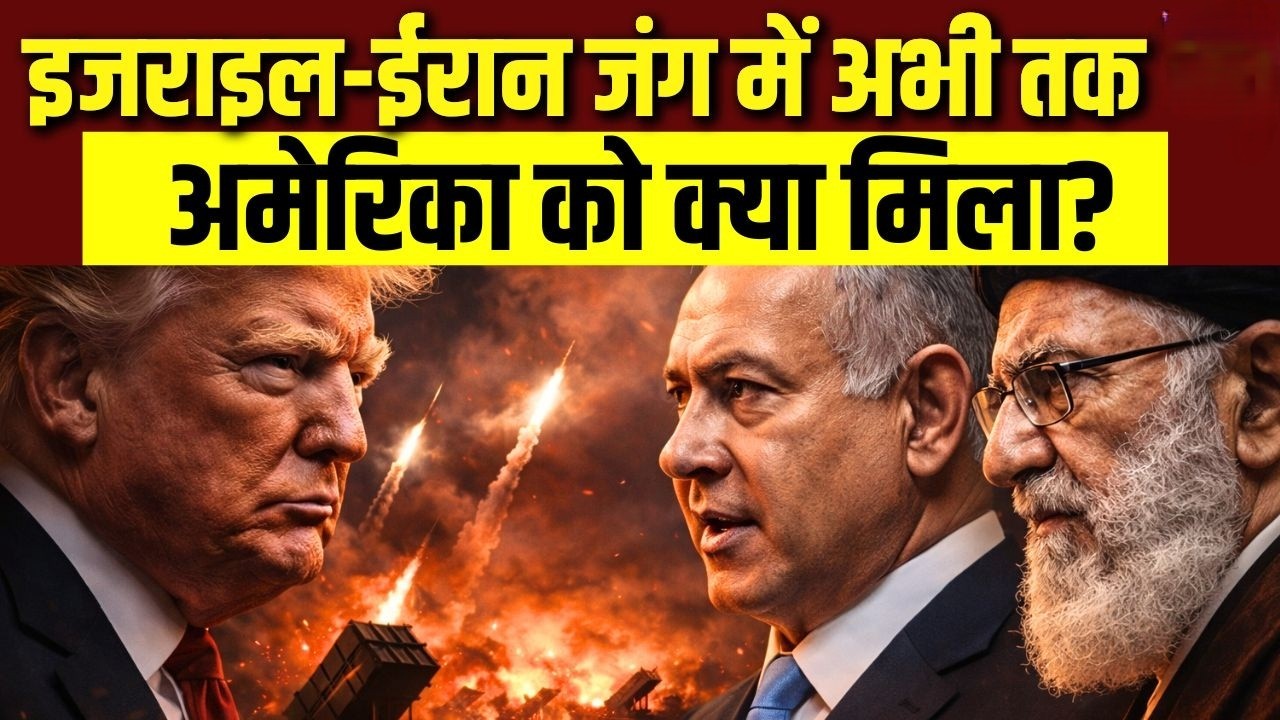
US Iran Tensions Escalate: Signs of War from Hormuz to Kharg.
The geopolitical landscape of the Middle East is once again under intense scrutiny as US Iran tensions escalate to alarming levels. With the deployment of 21 warships, thousands of Marine commandos, and the strategic positioning of the USS Tripoli, the United States appears to be preparing for a potential large-scale military confrontation with Iran. The developments unfolding from the Strait of Hormuz to Kharg Island have raised fears of a broader regional conflict that could impact global energy markets and international stability.
Rising Storm in the Middle East
The phrase US Iran tensions escalate is no longer just a headline—it reflects a rapidly evolving situation with real consequences. Over the past few weeks, military movements, intelligence reports, and diplomatic breakdowns have painted a picture of growing hostility. The United States has significantly increased its naval presence in the region, signaling a shift from deterrence to potential engagement.
Iran, on the other hand, has responded with strong rhetoric and military preparedness, warning that any aggression will be met with a decisive response. As US Iran tensions escalate, both nations appear locked in a dangerous cycle of provocation and counter-provocation.
Strategic Importance of the Strait of Hormuz
At the center of this escalating crisis lies the Strait of Hormuz, one of the most critical waterways in the world. Nearly 20% of global oil shipments pass through this narrow passage, making it a vital artery for international trade.
As US Iran tensions escalate, the Strait of Hormuz has become a focal point for military operations. The presence of US warships in the area is aimed at ensuring freedom of navigation, but it also serves as a show of force. Iran has previously threatened to block the strait in response to sanctions and military pressure, a move that could send shockwaves through global markets.

Kharg Island Iran Energy Lifeline
Another critical flashpoint is Kharg Island, Iran’s primary oil export terminal. Any disruption here could cripple Iran’s economy and further inflame tensions.
With US Iran tensions escalate, Kharg Island has reportedly been placed under heightened surveillance. Military analysts believe that targeting this facility could be part of a broader strategy to weaken Iran’s economic backbone. However, such a move would likely provoke a strong retaliation, potentially escalating the conflict into a full-scale war.
Deployment of 21 Warships
One of the most striking developments as US Iran tensions escalate is the deployment of 21 US warships in the region. This includes aircraft carriers, destroyers, and amphibious assault ships, forming a formidable naval force.
The inclusion of the USS Tripoli highlights the seriousness of the situation. This vessel is capable of launching helicopters, drones, and fighter jets, making it a key asset in any potential conflict.
The scale of this deployment suggests that the United States is preparing for multiple scenarios, ranging from limited strikes to a broader military campaign.
Marine Commandos on High Alert
In addition to naval forces, thousands of US Marine commandos have reportedly been deployed to strategic locations across the region. As US Iran tensions escalate, these troops are expected to play a crucial role in any ground operations.
Their presence indicates that the United States is not ruling out the possibility of direct engagement. Military experts warn that ground operations in the Middle East are complex and risky, often leading to prolonged conflicts.
Iran’s Military Response
Iran has not remained passive as US Iran tensions escalate. The country has mobilized its own military forces, including the Islamic Revolutionary Guard Corps (IRGC). Missile systems, naval units, and drone capabilities have been put on high alert.
Iran’s strategy appears to focus on asymmetric warfare, leveraging its geographical advantages and regional alliances. The country has also conducted military drills near the Strait of Hormuz, sending a clear message to the United States.

Global Implications
As US Iran tensions escalate, the potential impact extends far beyond the Middle East. Global oil prices have already shown signs of volatility, with traders closely monitoring developments in the region.
Countries that rely heavily on oil imports, including India and China, could face economic challenges if the situation worsens. Additionally, international shipping routes could be disrupted, affecting global trade.
Diplomatic Efforts and Failures
Despite the rising tensions, diplomatic efforts have so far failed to de-escalate the situation. Talks between the United States and Iran have stalled, with both sides unwilling to compromise on key issues.
As US Iran tensions escalate, the lack of communication increases the risk of miscalculation. Even a minor incident in the Strait of Hormuz could trigger a larger conflict.
Role of Regional Powers
Regional players such as Saudi Arabia, Israel, and the United Arab Emirates are closely watching the situation. As US Iran tensions escalate, these countries have expressed concerns about their own security.
Some have reportedly increased their military readiness, while others are pushing for international intervention to prevent a full-scale war.
The Risk of a Full-Scale War
The biggest concern as US Iran tensions escalate is the possibility of a full-scale war. With both sides heavily armed and on high alert, the margin for error is extremely small.
A direct confrontation could lead to widespread destruction, loss of life, and long-term instability in the region. Experts warn that such a conflict would not be limited to the Middle East but could involve global powers.
Economic Fallout
If US Iran tensions escalate further, the economic consequences could be severe. Oil prices could skyrocket, leading to inflation and economic slowdown in many countries.
Stock markets may also experience volatility, as investors react to the uncertainty. The global economy, already facing challenges, could be pushed into a deeper crisis.

Cyber Warfare and Modern Conflict
In addition to traditional military operations, cyber warfare is expected to play a significant role as US Iran tensions escalate. Both countries have advanced cyber capabilities and have previously targeted each other’s infrastructure.
A cyber attack on critical systems, such as power grids or financial networks, could have devastating effects and further escalate the conflict.
Public Sentiment and Media Coverage
As US Iran tensions escalate, media coverage has intensified, shaping public perception of the crisis. In both countries, nationalistic sentiments are on the rise, making it harder for leaders to pursue diplomatic solutions.
Public opinion can play a crucial role in shaping policy decisions, especially in democratic nations like the United States.
Historical Context
The current situation is rooted in decades of hostility between the United States and Iran. From the 1979 Iranian Revolution to ongoing disputes over nuclear programs, the relationship has been marked by mistrust and conflict.
As US Iran tensions escalate, these historical grievances continue to influence the actions of both nations.
Possible Scenarios
Several scenarios could unfold as US Iran tensions escalate:
- Limited military strikes targeting specific installations
- Naval clashes in the Strait of Hormuz
- Full-scale war involving multiple countries
- A return to diplomatic negotiations
Each scenario carries its own risks and implications.
The Role of International Organizations
Organizations like the United Nations are expected to play a role in de-escalating the crisis. As US Iran tensions escalate, calls for international mediation are growing louder.
However, the effectiveness of such efforts depends on the willingness of both parties to engage in dialogue.
Conclusion
The situation in the Middle East remains highly volatile as US Iran tensions escalate with each passing day. The deployment of 21 warships, the strategic positioning of the USS Tripoli, and the focus on key locations like the Strait of Hormuz and Kharg Island all point to a critical moment in international relations.
While the possibility of war looms large, there is still hope for a diplomatic resolution. The stakes are incredibly high, not just for the United States and Iran, but for the entire world. As US Iran tensions escalate, the need for careful decision-making and international cooperation has never been more urgent.
The coming days and weeks will be crucial in determining whether this crisis leads to conflict or resolution. One thing is certain: the world is watching closely as US Iran tensions escalate, and the outcome will shape the future of global geopolitics.
Read more latest news

