
India Received Major Gas Supply Relief Amid Middle East Tensions: A Crucial Lifeline Through the Strait of Hormuz
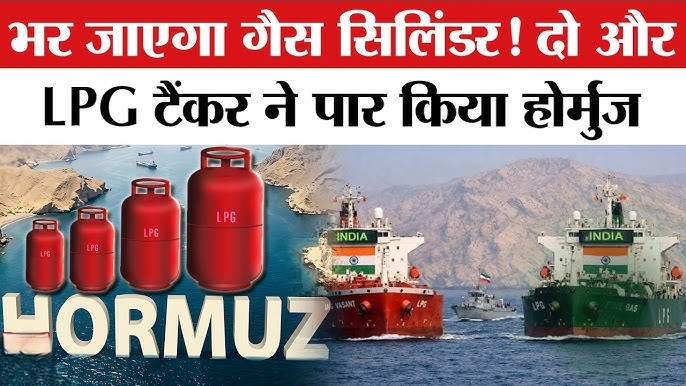
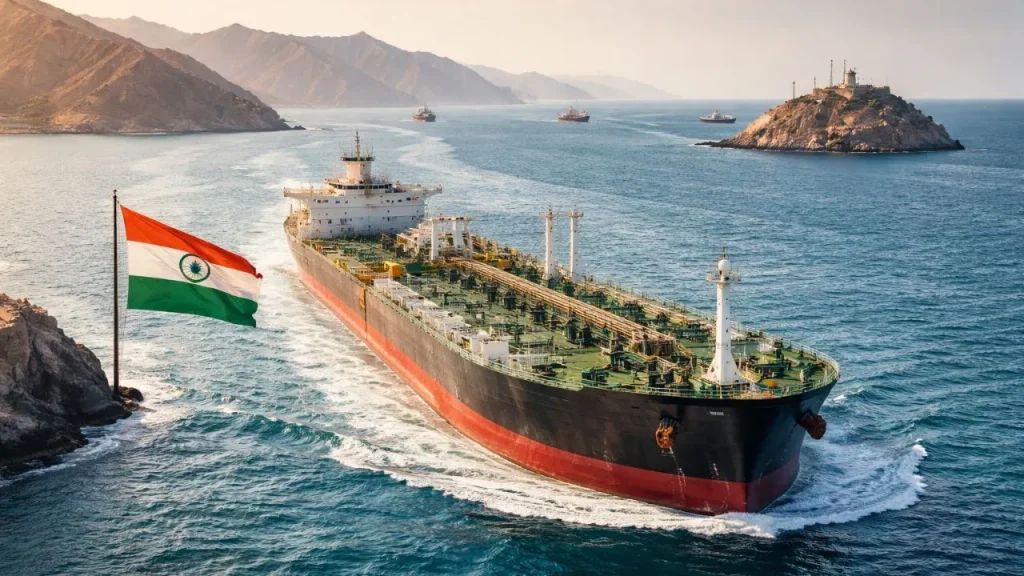
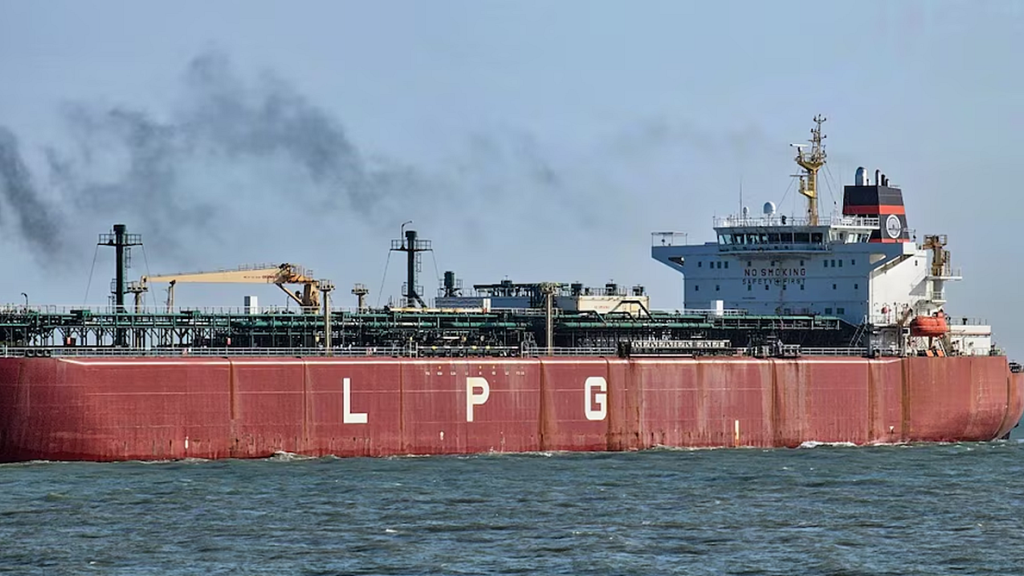
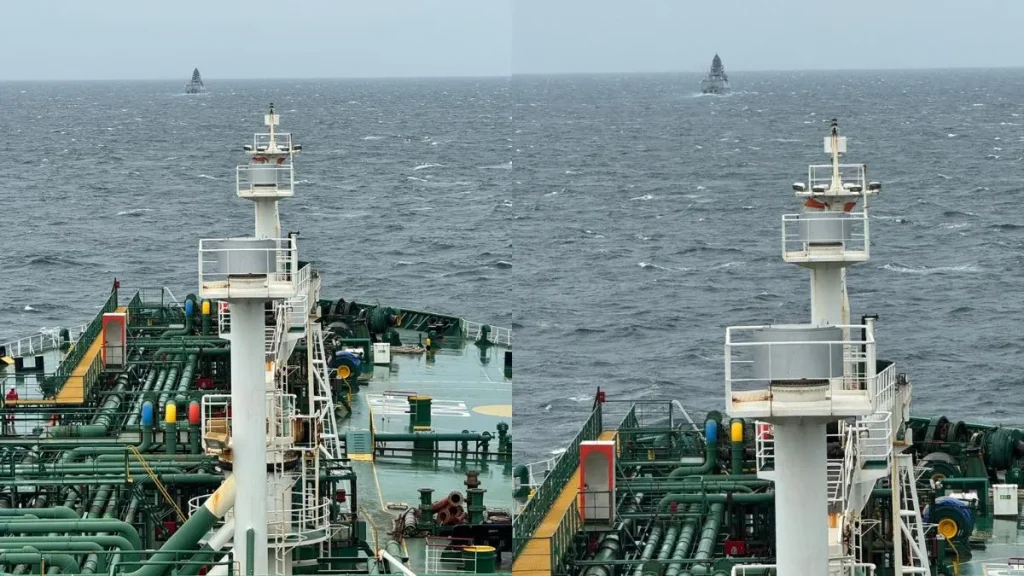
In a time of escalating geopolitical uncertainty in the Middle East, India has received a significant boost to its energy security. As global concerns mount over disruptions in oil and gas supply routes, India received major gas supply relief with the confirmation that two LPG tankers are safely en route through the Strait of Hormuz. These vessels, carrying approximately 94,000 tons of liquefied petroleum gas (LPG), are expected to arrive in Mumbai and Mangaluru within the next 48 hours.
This development comes as a reassuring sign for a country heavily dependent on energy imports. With rising tensions affecting key shipping routes, the fact that India received major gas supply through such a sensitive corridor highlights both strategic planning and international cooperation.
Strategic Importance of the Strait of Hormuz
The Strait of Hormuz remains one of the most critical maritime passages in the world. Nearly one-fifth of global oil and a substantial portion of liquefied gas pass through this narrow waterway. Any disruption here can send shockwaves through global markets.
As Middle East tensions rise, concerns over the safety of shipments have intensified. However, despite these risks, India received major gas supply through this route, underlining the resilience of global energy logistics and India’s strategic preparedness.
Details of the LPG Shipment
The two LPG tankers currently navigating the Strait are carrying a combined 94,000 tons of gas. This quantity is substantial enough to meet India’s domestic LPG demand for approximately three days. The fact that India received major gas supply at such a critical time offers relief to millions of households and industries dependent on LPG.
The shipments are expected to dock at major ports in Mumbai and Mangaluru, ensuring swift distribution across various regions. With this development, India received major gas supply support just when uncertainty was beginning to affect energy markets.
Why This Supply Matters for India
India is one of the world’s largest importers of energy resources. A significant portion of its LPG demand is met through imports, making it vulnerable to geopolitical disruptions. In such a scenario, the news that India received major gas supply is not just reassuring—it is crucial.
The arrival of these tankers ensures continuity in domestic gas distribution, preventing shortages and price spikes. Moreover, it reflects the effectiveness of India’s energy diplomacy and supply chain management.
Impact on Domestic Consumers
For millions of Indian households, LPG is an essential commodity used daily for cooking and other needs. Any disruption in supply can lead to immediate hardships. Thankfully, as India received major gas supply, consumers can expect stability in availability and pricing in the short term.
This timely arrival also helps maintain confidence among consumers, who might otherwise worry about shortages amid global tensions. The fact that India received major gas supply acts as a buffer against panic buying and market instability.
Role of Mumbai and Mangaluru Ports
The ports of Mumbai and Mangaluru play a critical role in India’s energy infrastructure. These hubs are equipped to handle large volumes of LPG and ensure efficient distribution across the country.
With the incoming shipments, India received major gas supply through well-established logistical networks. The efficient handling of these tankers will ensure that the gas reaches end-users without delay, further strengthening India’s energy resilience.
Middle East Tensions and Energy Risks
The Middle East remains a volatile region, with ongoing conflicts and geopolitical rivalries affecting global energy supply chains. The Strait of Hormuz, in particular, has been a focal point of tension.
Despite these challenges, India received major gas supply, demonstrating that international trade routes continue to function even under pressure. However, experts warn that prolonged instability could still pose risks in the future.
Government’s Strategic Planning
India’s ability to secure these shipments highlights proactive planning by the government and energy companies. Diversifying supply sources, maintaining strategic reserves, and ensuring strong diplomatic ties have all contributed to this success.
As a result, India received major gas supply at a time when many countries are facing uncertainties. This reflects a broader strategy aimed at minimizing the impact of global disruptions on domestic energy needs.
Economic Implications
Energy supply plays a crucial role in economic stability. Industries, transportation, and households all depend on consistent access to fuel. With India received major gas supply, the immediate risk of disruptions has been mitigated.
This stability helps maintain economic momentum, preventing inflationary pressures that could arise from energy shortages. The timely arrival of LPG shipments ensures that businesses and consumers alike can continue their activities without interruption.
Global Perspective
India is not the only country affected by Middle East tensions. Many nations rely on the same routes for their energy needs. The fact that India received major gas supply highlights the importance of keeping these routes open and secure.
It also underscores the interconnected nature of global energy markets, where disruptions in one region can have far-reaching consequences.
Future Outlook
While the current development is positive, the situation remains fluid. Continued tensions in the Middle East could still impact future shipments. Therefore, India must remain vigilant and continue to strengthen its energy security measures.
For now, the fact that India received major gas supply provides a much-needed cushion. It buys time for policymakers to explore alternative strategies and ensure long-term stability.
Strengthening Energy Security
India has been actively working to enhance its energy security through various initiatives. These include increasing domestic production, investing in renewable energy, and expanding strategic reserves.
The recent development where India received major gas supply reinforces the importance of these efforts. It serves as a reminder that while imports are necessary, diversification and self-reliance are equally important.
Role of International Cooperation
Energy trade is heavily dependent on international cooperation. Agreements between countries, shipping companies, and security forces play a crucial role in ensuring safe passage.
The fact that India received major gas supply despite regional tensions highlights the effectiveness of such cooperation. It also emphasizes the need for continued collaboration to maintain stability in global energy markets.
Conclusion
Amid rising Middle East tensions, the news that India received major gas supply comes as a significant relief. The successful transit of two LPG tankers through the Strait of Hormuz and their imminent arrival in Mumbai and Mangaluru underscore the resilience of India’s energy supply chain.
With 94,000 tons of LPG set to meet domestic needs for several days, the immediate threat of shortages has been averted. More importantly, this development highlights the importance of strategic planning, international cooperation, and robust infrastructure.
As the global situation continues to evolve, India must remain proactive in securing its energy future. For now, however, the fact that India received major gas supply stands as a reassuring testament to the country’s preparedness and resilience in the face of uncertainty.
read more latest news

