

“UGC Is a Serious Subject”: Brijbhushan Sharan Singh’s Thoughtful Response to Opposition on New UGC Regulations
UGC is a serious subject The debate around the new University Grants Commission (UGC) regulations has intensified political, academic, and social discussions across the country. Amid strong opposition voices, senior BJP leader Brijbhushan Sharan Singh offered a measured and deliberate response, stating clearly that UGC is a serious subject and must be discussed with responsibility, depth, and understanding rather than political noise. His remarks have added a new dimension to the ongoing discourse on higher education reforms in India.
Understanding the Context of the UGC Debate
The University Grants Commission plays a pivotal role in shaping India’s higher education system. From determining academic standards to regulating universities, its decisions directly affect millions of students and teachers. That is precisely why UGC is a serious subject and not merely a political talking point.
The new UGC regulations have sparked concerns among opposition parties, student organizations, and faculty associations. Critics argue that these changes may centralize power and reduce institutional autonomy. However, supporters believe the reforms are necessary to modernize education and improve global competitiveness.
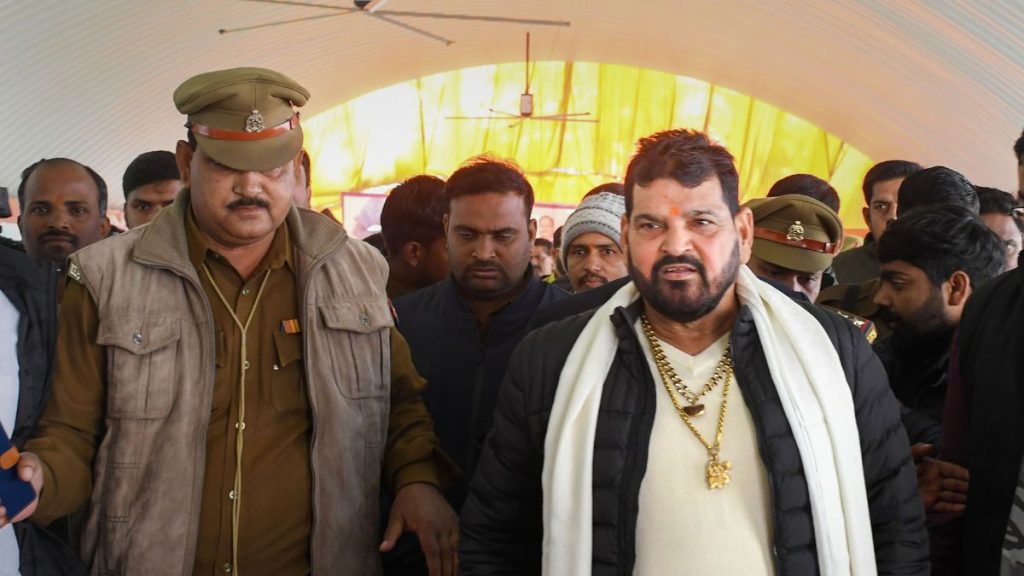
Brijbhushan Sharan Singh Statement Calm Amid Controversy
Responding to media questions on opposition protests, Brijbhushan Sharan Singh emphasized that UGC is a serious subject and should not be reduced to slogans or street politics. He stated that he is studying the issue thoroughly and will speak on it thoughtfully, reflecting a cautious and responsible approach.
According to him, educational reforms require patience, expertise, and dialogue. When UGC is a serious subject, emotional reactions and half-informed criticism can do more harm than good.
“I Am Studying It”: A Responsible Political Stance
One of the most striking aspects of Brijbhushan Sharan Singh’s response was his admission that he is still studying the matter. In an era of instant opinions, this approach stood out. His assertion reinforced the idea that UGC is a serious subject and deserves careful evaluation before forming conclusions.
He highlighted that policies affecting higher education must be examined in terms of long-term impact rather than short-term political gains. This perspective resonated with many education experts who believe reforms should be evidence-based.
Why UGC Regulations Matter So Much
The UGC governs academic appointments, curriculum standards, research funding, and university accreditation. Any regulatory change can reshape the academic ecosystem. This is why UGC is a serious subject not just for policymakers but for students, parents, and educators alike.
The new regulations aim to streamline administrative processes, improve accountability, and align Indian universities with global benchmarks. However, resistance arises when stakeholders fear exclusion from decision-making.
Opposition’s Concerns and Public Debate
Opposition parties have questioned the intent and implementation of the new rules. They argue that universities may lose autonomy and that faculty voices are being ignored. Brijbhushan Sharan Singh responded by reiterating that UGC is a serious subject, and all concerns should be addressed through structured discussions rather than political agitation.
He stressed that criticism is welcome, but it must be constructive and informed. Sensationalism, he warned, undermines the gravity of educational reforms.

Education Beyond Politics
Brijbhushan Sharan Singh’s remarks also highlighted a broader issue: education should remain above partisan politics. When UGC is a serious subject, it cannot be hijacked for electoral narratives or ideological battles.
India’s demographic dividend depends heavily on the quality of higher education. Reforms must therefore focus on student outcomes, research excellence, and employability.
Academic Voices and Expert Opinions
Several educationists echoed Singh’s views, noting that UGC is a serious subject requiring domain knowledge. Experts argue that while dissent is healthy in a democracy, it should be grounded in facts and data.
They also point out that global education systems continuously evolve, and India cannot afford stagnation. Thoughtful engagement, rather than outright rejection, is key.
The Need for Transparency and Consultation
While defending the seriousness of the issue, Brijbhushan Sharan Singh also hinted at the need for transparent communication. If UGC is a serious subject, then policymakers must ensure that universities and teachers are taken into confidence.
Public consultations, expert committees, and phased implementation could help bridge trust gaps between the government and academic communities.
Student Perspective: The Silent Stakeholders
Often missing from the debate are students, the primary beneficiaries of UGC policies. Singh’s remarks indirectly acknowledged that when UGC is a serious subject, student interests must remain central.
Students worry about degrees, recognition, and future opportunities. Any regulatory confusion directly impacts their careers, making clarity and stability essential.
Media’s Role in Shaping the Narrative
Media coverage has played a significant role in amplifying the controversy. Brijbhushan Sharan Singh cautioned that when UGC is a serious subject, sensational headlines can distort public understanding.
Responsible journalism, he suggested, should explain policy nuances rather than fueling outrage.

Learning from Past Reforms
India has witnessed several education reforms over decades, some successful and others controversial. These experiences reinforce why UGC is a serious subject and why reforms must be implemented carefully.
Past mistakes highlight the importance of stakeholder engagement and clear communication.
Political Maturity and Thoughtful Dialogue
Singh’s statement reflects political maturity, acknowledging complexity instead of offering quick answers. His belief that UGC is a serious subject encourages a culture of thoughtful dialogue rather than confrontation.
Such an approach could set a precedent for how sensitive policy matters are discussed in public life.
Balancing Autonomy and Accountability
One core debate around the new regulations is balancing university autonomy with accountability. Brijbhushan Sharan Singh emphasized that when UGC is a serious subject, neither aspect can be ignored.
Strong institutions require freedom to innovate but also mechanisms to maintain quality and integrity.
India’s Global Education Ambitions
India aims to become a global education hub, attracting international students and collaborations. Achieving this vision requires strong regulatory frameworks. This global context further explains why UGC is a serious subject with international implications.
The new regulations are seen by some as steps toward global alignment, though concerns remain about implementation.
The Road Ahead
As discussions continue, Brijbhushan Sharan Singh’s remarks serve as a reminder that policy debates need patience. When UGC is a serious subject, rushed decisions and polarizing rhetoric can undermine progress.
He urged all stakeholders to engage in informed debate, keeping national interest at the forefront.
Conclusion: Seriousness Must Guide the Debate
The controversy surrounding the new UGC regulations is far from over. However, Brijbhushan Sharan Singh’s response has added balance to the discourse. His repeated emphasis that UGC is a serious subject underscores the need for maturity, knowledge, and responsibility in shaping India’s education future.
As the nation watches this debate unfold, one thing is clear: reforms in higher education will succeed only when guided by thoughtful dialogue, expert insight, and a shared commitment to student welfare. When UGC is a serious subject, the conversation must rise above politics and focus on building a stronger, smarter India.
Read More latest news

