

Introduction
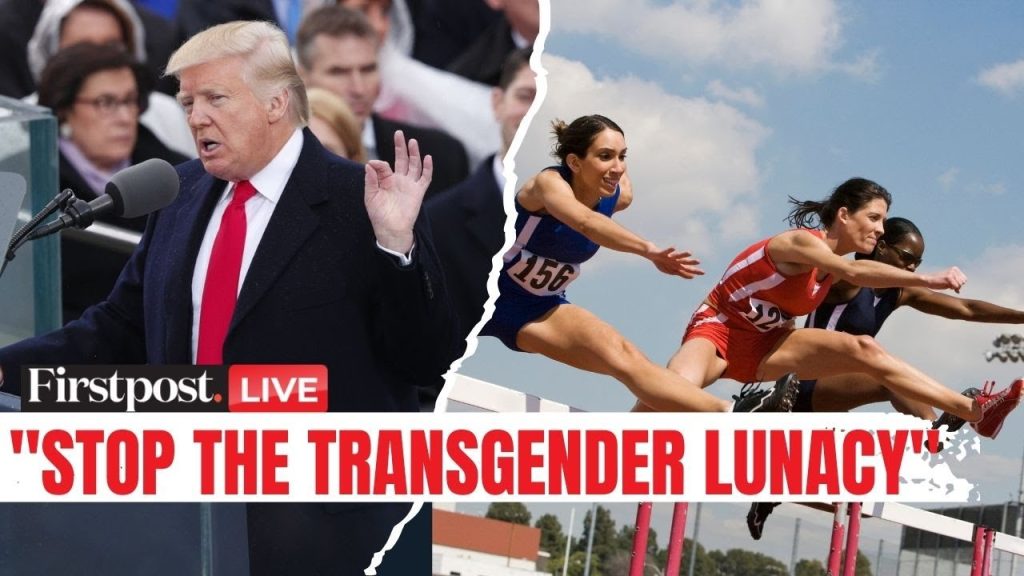
In a controversial move, former U.S. President Donald Trump has signed an executive order banning transgender athletes from participating in women’s sports at the national level. The decision has sparked intense debate across political and social spheres, with proponents arguing it protects the integrity of women’s sports, while critics see it as an attack on transgender rights.
Background and Context
The inclusion of transgender athletes in women’s sports has been a contentious issue for years. Advocates for transgender participation argue that inclusivity and equal rights are at stake, whereas opponents cite concerns about fairness and biological advantages.
Trump’s decision aligns with conservative perspectives on the issue, reinforcing the belief that allowing biological males to compete in female sports creates an unfair advantage. During his announcement, Trump stated, “We won’t watch men beat females. We will protect women’s sports.”
Key Provisions of the Executive Order
The executive order lays out several provisions regarding transgender participation in women’s sports:
- Bans transgender women (biological males) from competing in female sports categories at the school, collegiate, and professional levels.
- Mandates biological sex at birth as the sole criterion for eligibility in women’s sports.
- Threatens funding cuts for institutions that fail to comply with the order.
- Encourages states to implement similar laws reinforcing the ban.
Reactions and Controversy
Support for the Ban
Trump’s decision has received praise from conservative circles, sports professionals, and women’s rights advocates who believe the move is necessary to maintain fairness in competition. Organizations such as Save Women’s Sports and several female athletes have expressed relief over the decision.
Key Arguments in Favor:
- Biological Advantages: Opponents of transgender inclusion argue that biological males have higher muscle mass, bone density, and overall physical strength, creating an uneven playing field.
- Preserving Opportunities for Women: Some argue that allowing transgender women to compete in female sports jeopardizes scholarships and records meant for biological females.
- Safety Concerns: Contact sports like wrestling and mixed martial arts pose potential risks where physical disparities can lead to severe injuries.
Opposition to the Ban
LGBTQ+ advocacy groups, civil rights organizations, and liberal politicians have condemned the executive order, calling it discriminatory and a step backward in the fight for transgender rights.
Key Arguments Against:
- Discrimination and Exclusion: Opponents argue that banning transgender athletes amounts to exclusion based on identity, violating their rights.
- Scientific Disputes: Some research suggests hormone therapy reduces physical advantages, though experts remain divided on the topic.
- Mental Health Implications: Transgender athletes face higher levels of depression, anxiety, and suicide risk, and bans could exacerbate these issues.
Legal Challenges and Future Implications
Potential Court Battles
Civil rights groups have already vowed to challenge the order in court, arguing that it violates Title IX protections and could be overturned by federal judges.
State Responses
Some states, particularly in Republican-led regions, have voiced support and plan to enforce similar laws, while others with progressive leadership have vowed to resist and uphold transgender rights in sports.
Impact on Athletes and Sports Organizations
- The NCAA and Olympic Committees may need to reconsider policies to align with or push back against the order.
- Colleges and schools could face funding consequences if they refuse to implement the restrictions.
- Transgender athletes may explore alternate leagues or legal battles to continue their participation in competitive sports.
Conclusion
Trump’s executive order barring transgender athletes from competing in women’s sports marks another chapter in the ongoing cultural and political battle surrounding gender identity in athletics. While supporters hail it as a victory for fair competition and women’s rights, opponents see it as a regressive attack on inclusivity and transgender individuals.
With legal challenges imminent, the issue is far from settled, ensuring that sports, politics, and gender identity will remain a focal point of debate in the coming years.
Read more Latest news

