
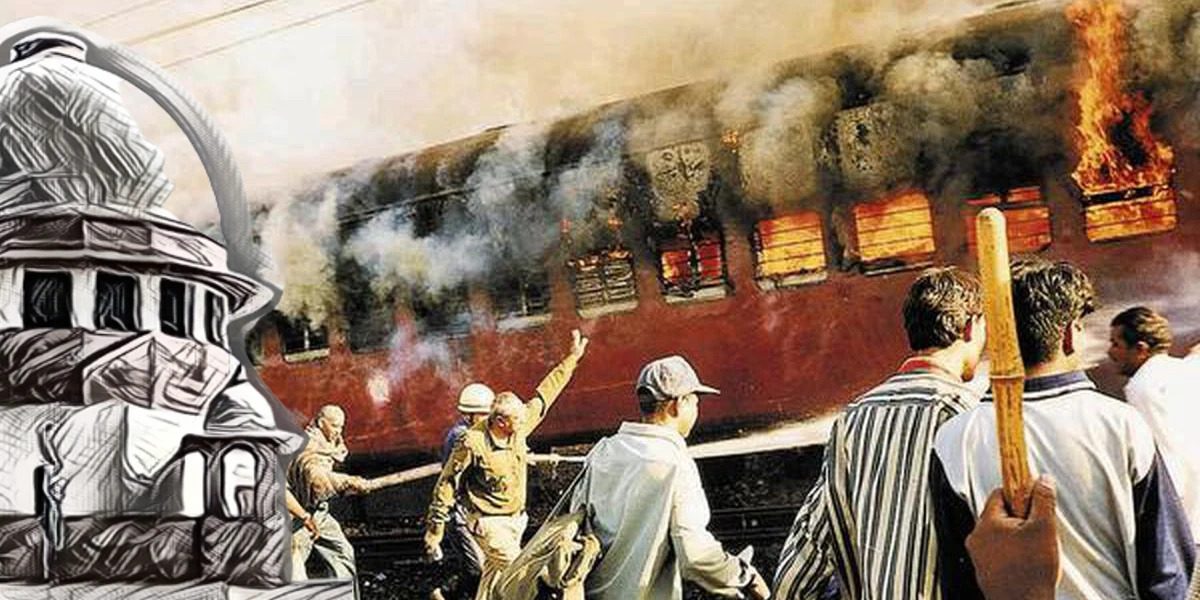
Train Burning Case Supreme Court to Hear Godhra Train Case on February 13: A Closer Look
Train Burning Case The Supreme Court of India has announced that it will hear the long-standing Godhra train burning case on February 13, 2025, marking a significant milestone in one of the most contentious and impactful legal matters in India’s history. The apex court, while rejecting pleas for adjournment, stated unequivocally, “We will not adjourn this case.” This decisive move underscores the judiciary’s intent to address unresolved issues and bring closure to a case that has shaped India’s socio-political landscape for over two decades.
Train Burning Case Background: The Godhra Train Burning Incident
The tragic incident occurred on February 27, 2002, at the Godhra railway station in Gujarat. The Sabarmati Express, carrying Hindu pilgrims returning from Ayodhya, was set on fire, leading to the deaths of 59 people, including women and children. The horrific event sparked widespread communal riots across Gujarat, resulting in the loss of over 1,000 lives, predominantly Muslims.
Key developments in the case include:
- Initial Investigation: Early reports attributed the fire to a conspiracy, with allegations of deliberate provocation.
- Special Investigation Team (SIT): A Supreme Court-appointed SIT later investigated the case, indicting multiple individuals for their roles in the attack.
- Verdicts and Appeals: In 2011, a special court convicted 31 individuals, sentencing 11 to death and 20 to life imprisonment. The Gujarat High Court later commuted the death sentences to life imprisonment.
Train Burning Case The Current Legal Landscape
The Supreme Court is now set to hear multiple appeals related to the case, filed by both the convicted individuals and the Gujarat government.
Key Issues to Be Addressed
- Appeals Against Convictions:
- The convicts argue that they were wrongfully implicated, citing alleged lapses in the investigation and procedural irregularities.
- Defense lawyers have questioned the reliability of eyewitness testimonies and the evidence presented by the prosecution.
- Gujarat Government’s Appeal:
- The state government has challenged the Gujarat High Court’s decision to commute the death sentences to life imprisonment.
- The government argues that the attack was premeditated and warrants the harshest punishment.
- Compensation and Accountability:
- Several petitions seek enhanced compensation for victims and greater accountability for authorities accused of mishandling the aftermath.
Train Burning Case The Supreme Court’s Firm Stance
During a recent hearing, Chief Justice of India (CJI) D.Y. Chandrachud, heading the bench, made it clear that the case must proceed without delays. The CJI’s remarks come in response to repeated adjournment requests from various parties, which have slowed the legal process.
The bench emphasized:
- Timely Justice: The importance of resolving long-pending cases to uphold public confidence in the judiciary.
- Legal Clarity: The need to address complex legal questions that have implications beyond the specific case.

Train Burning Case Impact on Indian Society and Politics
The Godhra train burning case is not just a legal matter; it has far-reaching socio-political implications.
Polarization and Communal Tensions
The incident and its aftermath deepened communal divides in India, with political parties often exploiting the tragedy for electoral gains. The judiciary’s handling of the case is seen as a litmus test for the country’s commitment to justice and communal harmony.
Role of Governance and Institutions
Critics have questioned the role of the Gujarat administration during the riots, leading to debates about governance, accountability, and institutional integrity. The Supreme Court’s intervention in reopening investigations and monitoring trials has been pivotal.
Global Attention
The case has drawn international scrutiny, with human rights organizations closely monitoring the judicial process. Ensuring a fair and transparent trial is crucial for India’s global reputation as a democratic nation committed to the rule of law.
Train Burning Case Legal Challenges and Arguments
- Prosecution’s Case:
- The prosecution maintains that the attack was a premeditated conspiracy involving local residents.
- Evidence includes forensic reports, phone call records, and witness testimonies.
- Defense’s Counterarguments:
- The defense alleges that the investigation was biased, with coerced confessions and fabricated evidence.
- Lawyers have highlighted discrepancies in the timeline and questioned the credibility of forensic findings.
- Balancing Retribution and Reform:
- Human rights advocates argue against the death penalty, emphasizing the need for reformative justice.
- Victims’ families demand stringent punishment as a deterrent against communal violence.
Train Burning Case Public Sentiment and Reactions
The Supreme Court’s decision to prioritize the case has elicited mixed reactions:
- Victims’ Families: Many see this as a long-awaited step toward justice. For them, the pain of losing loved ones is compounded by the prolonged legal battle.
- Civil Society: Activists have called for a fair trial, urging the judiciary to ensure that justice is neither delayed nor denied.
- Political Parties: The BJP and Congress have sparred over the issue, with each accusing the other of politicizing the tragedy.
Potential Outcomes and Implications
- Legal Precedents:
- The Supreme Court’s verdict could set important precedents regarding conspiracy charges, accountability in communal violence, and the death penalty.
- Reconciliation and Healing:
- A transparent and fair resolution could help in healing wounds and fostering communal harmony.
- Judiciary’s Role:
- The case underscores the judiciary’s responsibility as a guardian of justice and constitutional values.
Conclusion
The Godhra train burning case remains a pivotal chapter in India’s history, encapsulating the complexities of justice, governance, and communal harmony. As the Supreme Court prepares to hear the case on February 13, all eyes are on its ability to navigate the legal and moral intricacies involved.
The judiciary’s commitment to ensuring a fair trial, while addressing the concerns of all stakeholders, will be crucial in reinforcing public trust in India’s democratic institutions. In the end, the resolution of this case will not only bring closure to the victims’ families but also serve as a testament to the nation’s resolve to uphold justice in the face of adversity.
Read More Latest News

