

Iran on the Brink: Deaths, Blame, and a Nation Under Pressure
the Iran protests, The situation in Iran has reached a deeply alarming stage as nationwide unrest continues to claim thousands of lives. The scale and intensity of the Iran protests have shocked the international community, with reports indicating that more than 2,500 people have lost their lives in clashes, crackdowns, and violent confrontations across multiple cities. What began as public dissent has transformed into one of the gravest internal crises the Islamic Republic has faced in decades.
From Tehran to provincial towns, anger has spilled onto the streets, driven by political frustration, economic hardship, and demands for accountability. As the Iran protests intensified, the state responded with a mixture of security force deployments, communication blackouts, and strict controls on movement. The human cost of this confrontation continues to rise, leaving families devastated and communities fractured.
Death Toll and National Shock
The reported deaths of over 2,500 people mark a turning point in the Iran protests, elevating them from unrest to a national tragedy. Human rights organizations, journalists, and activists have described scenes of chaos, mass arrests, and widespread fear. While official figures remain disputed, independent sources suggest that the true toll may be even higher.
The sheer number of casualties has fueled further outrage, creating a vicious cycle where grief feeds anger and anger fuels more demonstrations. In many cities, funerals themselves have turned into protest sites, highlighting how deeply the Iran protests have penetrated Iranian society.
Government Response and Communication Blackouts
One of the most controversial aspects of the Iran protests has been the government’s decision to restrict communication. Internet services and phone lines were severely disrupted, especially in Tehran, making it difficult for citizens to contact loved ones or share information with the outside world. These measures were widely seen as attempts to suppress coordination among protesters and limit international scrutiny.
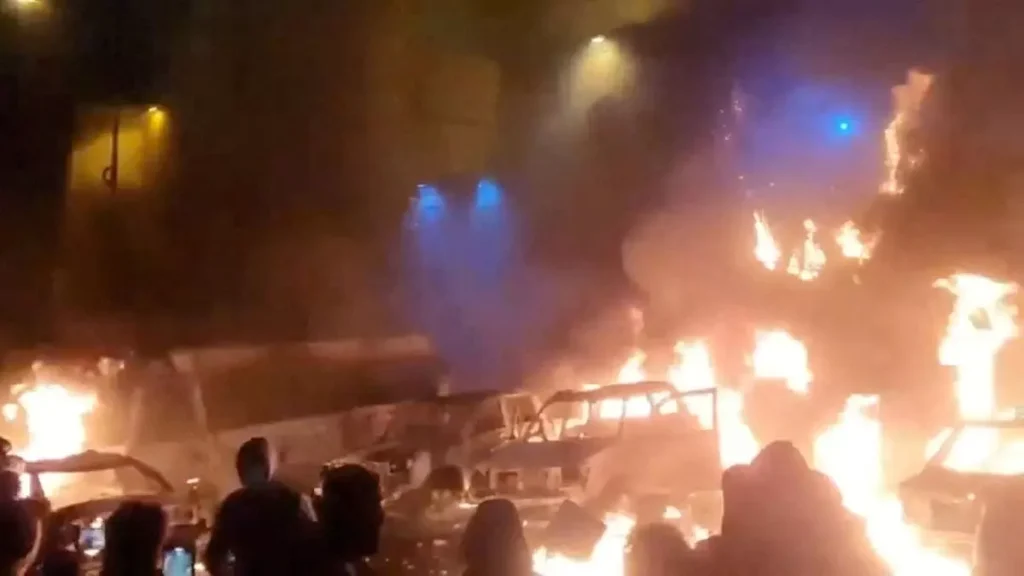
However, in a significant development, phone lines in Tehran have now been restored. While this move has been welcomed by residents, many view it as a tactical decision rather than a genuine gesture toward transparency. Even with restored communication, fear remains widespread, as people worry that surveillance and monitoring will continue to accompany any easing of restrictions during the Iran protests.
Blaming External Forces: Trump and Netanyahu
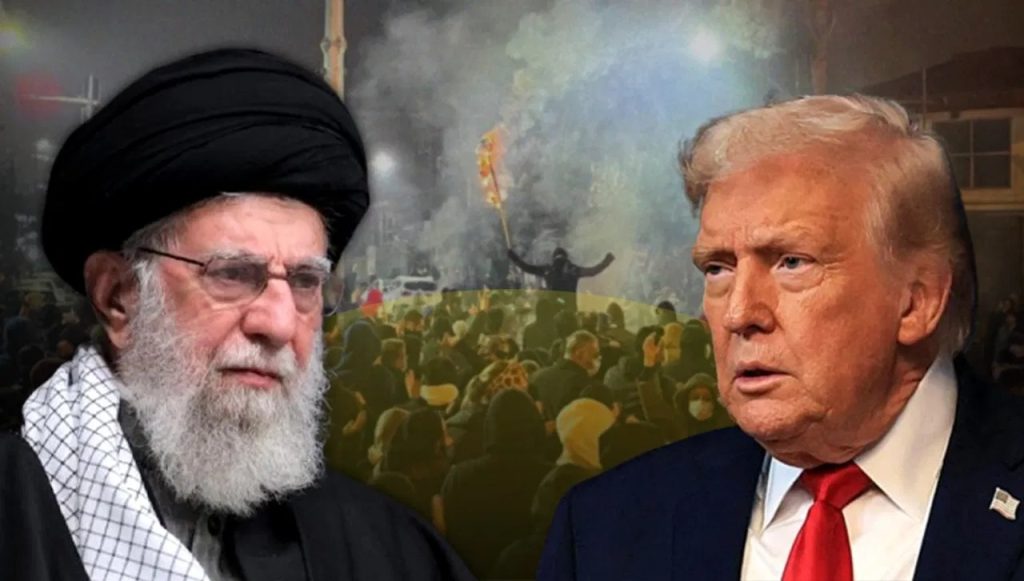
As pressure mounted, Iranian authorities shifted their narrative, accusing foreign leaders of orchestrating unrest. According to official statements, former U.S. President Donald Trump and Israeli Prime Minister Benjamin Netanyahu were blamed for instigating and fueling the Iran protests. Tehran claims that foreign intelligence agencies exploited public dissatisfaction to destabilize the country.
This strategy of externalizing blame is not new, but the intensity of the accusations underscores how seriously the leadership views the current crisis. By framing the Iran protests as a foreign conspiracy, the government aims to rally nationalist sentiment and justify its heavy-handed response.
Public Anger and Economic Roots
Despite official claims, many analysts argue that the Iran protests are rooted primarily in domestic issues. Years of economic sanctions, inflation, unemployment, and declining living standards have placed immense strain on ordinary citizens. For many Iranians, daily life has become a struggle for survival, and protests are seen as a last resort to make their voices heard.
Young people, in particular, have played a central role in the Iran protests, expressing frustration over lack of opportunities and political freedoms. Their participation signals a generational shift, where fear of repression is increasingly outweighed by desperation and anger.
Tehran at the Center of the Storm
Tehran has emerged as both a symbolic and practical center of the Iran protests. As the capital city, it hosts key government institutions and carries immense political significance. The restoration of phone lines in Tehran has allowed images and testimonies to surface, revealing the scale of unrest and the severity of the crackdown.
Residents describe a city under tension, with security checkpoints, patrols, and a pervasive sense of uncertainty. Even as daily routines resume in some areas, the underlying anger that fuels the Iran protests remains unresolved.
International Reaction and Global Concern
The international community has responded with growing alarm to the Iran protests and the reported death toll. Several governments have called for restraint, independent investigations, and respect for human rights. Global media coverage has intensified, placing Iran under a harsh spotlight.
At the same time, geopolitical divisions have complicated diplomatic responses. While Western nations criticize Tehran’s actions, Iran’s allies have largely remained silent or echoed claims of foreign interference behind the Iran protests.
Media, Misinformation, and the Battle of Narratives
Control over information has become a central battleground in the Iran protests. State media presents demonstrations as violent riots driven by external enemies, while independent outlets and social media depict them as legitimate expressions of public anger.
With phone lines restored, a flood of videos, voice notes, and eyewitness accounts has emerged, challenging official narratives. This information war has heightened tensions, as each side seeks to define the meaning and legitimacy of the Iran protests.
Human Rights and the Cost to Society
Beyond the immediate death toll, the Iran protests have inflicted long-term damage on Iranian society. Thousands have been arrested, families are searching for missing relatives, and psychological trauma is widespread. Human rights groups warn that the crackdown may have lasting consequences for civil liberties and trust in institutions.
The loss of so many lives has left scars that will not heal easily. Each death represents not just a statistic but a person whose absence will continue to shape the memory of the Iran protests for years to come.
What Lies Ahead for Iran?
As the crisis continues, the future remains uncertain. The restoration of phone lines in Tehran may signal a shift in tactics, but it does not address the core grievances driving the Iran protests. Without meaningful dialogue, economic relief, and political reforms, unrest is likely to persist.
The government faces a critical choice: double down on repression or seek a path toward reconciliation. For the people of Iran, the hope is that the immense sacrifices made during the Iran protests will lead to lasting change rather than deeper repression.
Conclusion: A Defining Moment
Iran stands at a defining moment in its modern history. The scale of violence, the accusations against foreign leaders, and the resilience of protesters have combined to create a crisis that cannot be ignored. Whether the Iran protests ultimately lead to reform or further isolation will depend on decisions made in the coming weeks and months.
What is certain is that the world is watching, and the memory of this period will endure. The voices raised, the lives lost, and the courage shown during the Iran protests have already left an indelible mark on Iran’s national consciousness.
Read More Latest news

