Cold Wave in North India:
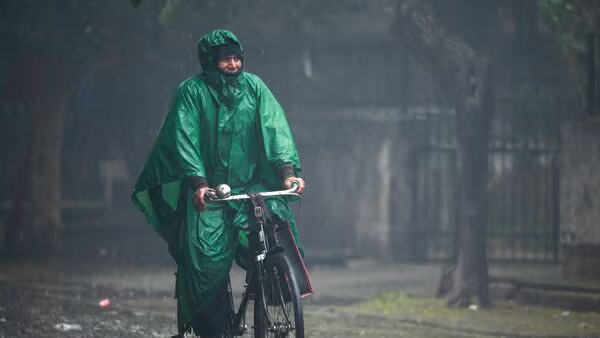
Schools As North India continues to grapple with an intense cold wave, authorities in multiple states, including Uttar Pradesh and Haryana, have announced school closures and extended winter breaks to protect children from the harsh weather. Ghaziabad has shut schools until December 30, while Haryana has declared a winter break from January 1 to January 15 for all schools. This article explores the causes of the cold wave, its impact on education, health, and daily life, and how communities are coping with the biting chill.
Understanding the Cold Wave
What is a Cold Wave?
A cold wave is characterized by a significant drop in temperature below normal levels for the region and season. In India, the India Meteorological Department (IMD) defines a cold wave as when the minimum temperature drops by 4.5 to 6.4 degrees Celsius below normal, or when the temperature in the plains falls to 4°C or lower.
Current Situation in North India
North India has been witnessing an unusual cold spell due to a combination of factors:
- Western Disturbances: Cold winds from the Himalayas have intensified, pushing temperatures down in the plains.
- Dense Fog: Persistent fog has further exacerbated the chill by blocking sunlight, making days colder.
- Prolonged Nights: During winter, longer nights lead to more heat loss from the Earth’s surface, adding to the drop in temperatures.
As a result, cities like Delhi, Ghaziabad, Chandigarh, and Jaipur are reporting temperatures in the range of 2-6°C, far below seasonal norms.
Impact on Schools and Education
Ghaziabad School Closures
The district administration in Ghaziabad has announced the closure of all schools until December 30. This decision came after mercury levels plummeted to near-freezing points.
- Affected Students: The move impacts students from pre-primary to Class 12 across government and private schools.
- Learning Disruptions: The closures are causing interruptions in studies, particularly for students preparing for board exams.
Haryana’s Winter Break
Haryana’s Directorate of Education has extended the winter break for schools, scheduling it from January 1 to January 15. This break is applicable to all schools, including government, private, and aided institutions.
- Focus on Safety: The government emphasized that the decision prioritizes the health and safety of children.
- Rescheduling of Classes: Schools are expected to adjust their academic calendars to compensate for lost instructional days.
Virtual Learning Options
Many schools are shifting to online classes to minimize academic disruptions. However, this transition is not without challenges:
- Digital Divide: Students from underprivileged backgrounds struggle with access to devices and the internet.
- Parental Supervision: Younger children require parental guidance, which is not always feasible for working parents.
Impact on Health
Vulnerable Populations
Cold waves disproportionately affect the most vulnerable, including:
- Children: Susceptible to respiratory infections like bronchitis and pneumonia.
- Elderly: Prone to hypothermia, frostbite, and aggravation of chronic conditions such as arthritis and asthma.
- Homeless and Daily Wage Workers: Lack adequate shelter and warm clothing, making them highly vulnerable to cold-related illnesses.
Increase in Seasonal Illnesses
Hospitals across North India have reported a surge in cases of cold and flu, exacerbated by poor air quality due to smog and pollution.
Preventive Measures
To mitigate health risks, local administrations are urging people to:
- Use adequate layers of warm clothing.
- Consume hot beverages and nutritious meals to maintain body heat.
- Avoid early morning or late-night outdoor activities.
Daily Life Disruptions
Transportation
- Road Travel: Dense fog has reduced visibility, leading to multiple accidents and traffic snarls. Highways connecting Delhi, Jaipur, and Chandigarh are particularly affected.
- Railways: Over 100 trains have been delayed or rescheduled, causing inconvenience to thousands of passengers.
- Air Travel: Several flights have been delayed or diverted due to poor visibility at major airports, including IGI Airport in Delhi.
Workforce Challenges
- Outdoor Workers: Laborers working in construction, agriculture, and delivery services face extreme discomfort.
- Work-from-Home Shift: Some companies are allowing employees to work remotely to avoid travel-related risks.
Energy Consumption
The demand for electricity has spiked due to increased use of heaters and geysers. This has put a strain on power grids, leading to occasional outages in smaller towns.

Government and Community Responses
Shelter and Relief Measures
- Night Shelters: Authorities in cities like Delhi, Ghaziabad, and Chandigarh have set up temporary shelters for the homeless.
- Blanket Distribution: Non-governmental organizations (NGOs) and local administrations are distributing blankets, warm clothes, and food to those in need.
- Fuel Subsidies: Some state governments are offering subsidies for kerosene and LPG cylinders to help families stay warm.
Awareness Campaigns
Public health departments are running campaigns to educate citizens on the dangers of prolonged exposure to cold and the importance of preventive measures.
Weather Updates
IMD is issuing daily weather updates and advisories to inform citizens and help them plan their activities accordingly.
Coping Mechanisms and Lifestyle Adjustments
For Families
- Stay Indoors: Limit outdoor activities, especially during early mornings and late evenings.
- Healthy Diet: Include seasonal fruits, vegetables, and hot soups in meals to boost immunity.
- Layered Clothing: Dress in multiple layers to trap body heat effectively.
For Schools
- Flexible Schedules: Implement later start times to avoid the coldest part of the day.
- Online Classes: Use virtual platforms to keep the learning process uninterrupted.
For Businesses
- Remote Work Policies: Encourage employees to work from home, reducing exposure to harsh weather.
- Flexible Hours: Allow staggered shifts to accommodate travel challenges caused by fog.
Weather Forecast and Future Outlook
Short-Term Predictions
IMD predicts that the cold wave will persist in North India for the next few days, with temperatures hovering between 2°C and 6°C.
Long-Term Trends
Climate experts warn that the frequency and intensity of cold waves may increase in the coming years due to global climate change. This underscores the need for better preparedness and infrastructure to mitigate the impact of extreme weather events.
Conclusion
The ongoing cold wave in North India has brought daily life to a standstill, prompting widespread school closures, health concerns, and economic disruptions. While government measures and community initiatives are helping mitigate the immediate impact, the situation highlights the importance of long-term strategies to adapt to extreme weather conditions.
As citizens, staying informed, taking preventive measures, and extending support to vulnerable populations are essential steps to navigating such challenges. Whether it’s ensuring your children are warm and safe during school breaks or volunteering to help those in need, every small action contributes to a collective effort against the biting cold.
Read More Latest News