
Netanyahu Calls PM Modi Amid Tensions Between Iran and Israel, Strategic Partnership Also Discussed
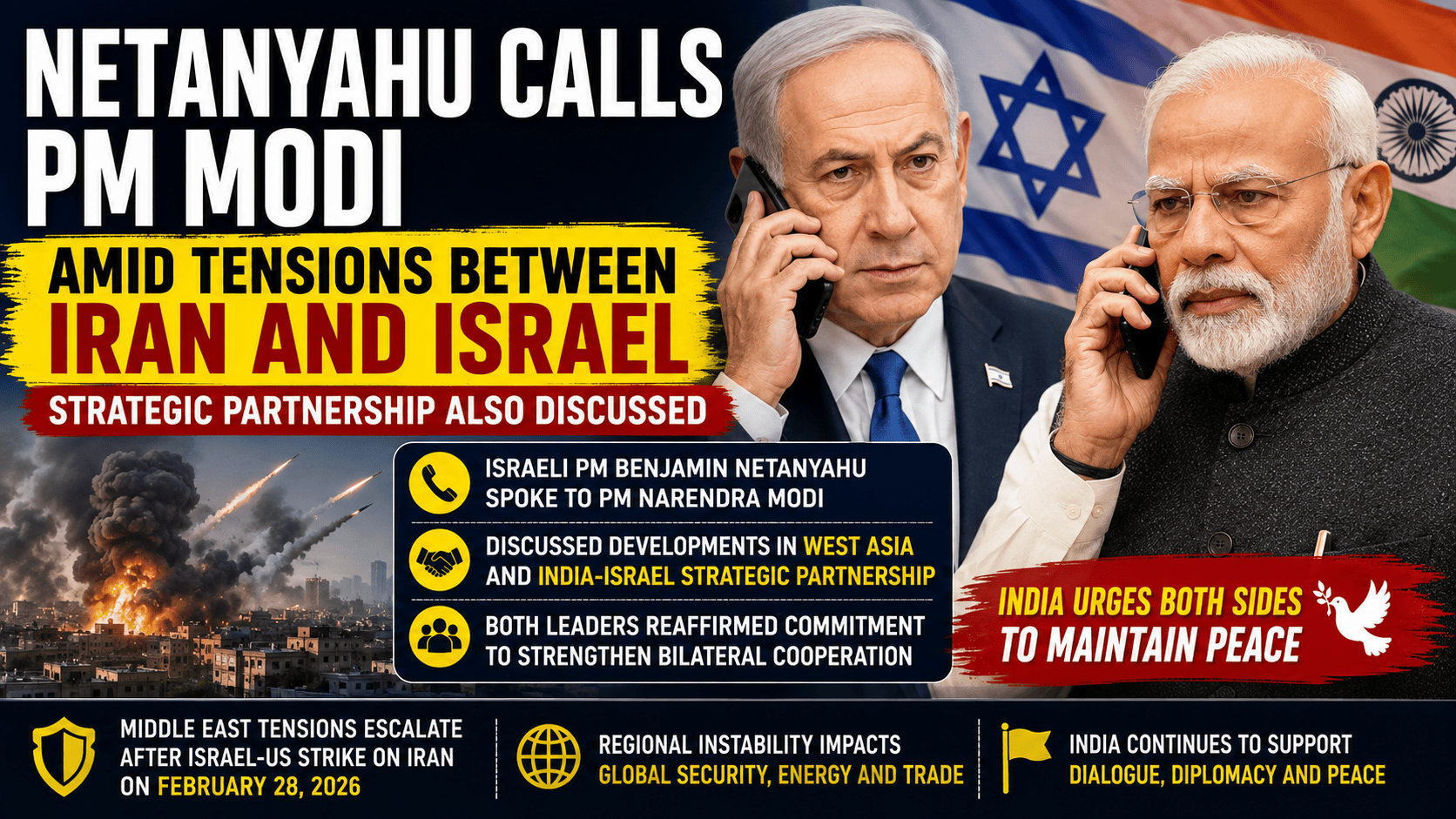
Amid the continuing tensions between Iran and Israel, Israeli Prime Minister Benjamin Netanyahu spoke with Indian Prime Minister Narendra Modi on August 6, 2026. The telephone conversation focused on developments in West Asia as well as the progress of the India-Israel Special Strategic Partnership. The call comes at a time when regional security remains a major international concern and countries are closely monitoring developments in the Middle East.
The latest tensions between Iran and Israel have placed the wider Middle East under significant diplomatic and security pressure. India has maintained that dialogue and diplomacy are important for addressing regional crises, while also continuing its strategic engagement with Israel. The latest conversation between Modi and Netanyahu reflects this balancing approach, with bilateral cooperation remaining an important part of the discussion.
Netanyahu’s Call to PM Modi
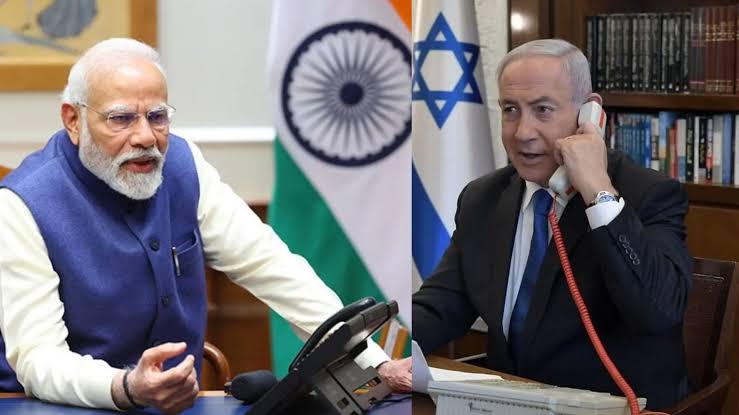
The tensions between Iran and Israel were part of the broader regional backdrop to Netanyahu’s conversation with Modi. According to reports, Netanyahu initiated the call on Thursday, August 6. The two leaders reviewed developments in West Asia and discussed the progress of the India-Israel Special Strategic Partnership. They also reaffirmed their commitment to strengthening bilateral cooperation across different sectors.
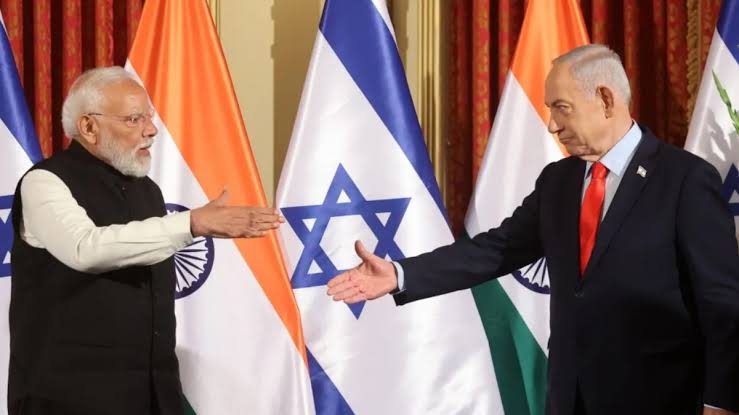
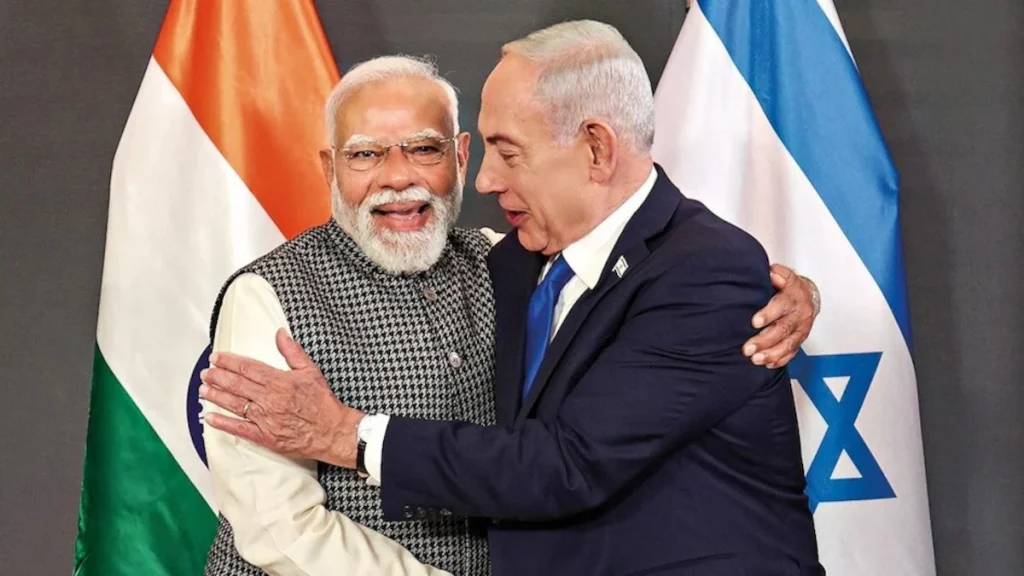
The conversation highlights the importance both countries attach to their strategic relationship. India and Israel have expanded cooperation in areas including defence, technology, agriculture, innovation and security. The relationship was elevated to a Special Strategic Partnership during Modi’s visit to Israel in February 2026.
Against the backdrop of the tensions between Iran and Israel, such high-level diplomatic communication has wider significance. Regional developments can have consequences for energy security, trade routes, shipping, investment and the safety of citizens living or travelling in affected areas.
India-Israel Strategic Partnership
The tensions between Iran and Israel have not changed the importance of India’s bilateral relationship with Israel. India and Israel have developed close cooperation over several decades, particularly in strategic sectors.
The Special Strategic Partnership covers areas that are important for India’s national interests, including defence and security cooperation, technology, innovation and economic engagement. The two countries have also been working to expand cooperation in agriculture and other sectors.
During the latest conversation, Modi and Netanyahu reviewed the sustained progress of this partnership and reaffirmed their commitment to further strengthening cooperation.
The discussion therefore had two dimensions: the immediate regional situation and the longer-term India-Israel relationship.
Middle East Situation Remains Sensitive
The tensions between Iran and Israel have created a complex diplomatic environment for countries across the region and beyond. Any escalation involving major regional powers can affect international markets and global security calculations.
India has significant economic and strategic interests in West Asia. Millions of Indians live and work in the region, while the Gulf and Middle East remain important sources of energy and major destinations for Indian exports and services.
For New Delhi, maintaining communication with multiple countries is therefore important. India’s diplomatic approach has generally emphasized dialogue, de-escalation and diplomacy as tools for resolving conflicts.
The Indian government has also issued advisories and taken measures to assist Indian citizens during periods of heightened regional instability. The Ministry of External Affairs has maintained dedicated monitoring of developments in West Asia.
India’s Position on Peace and Diplomacy
The tensions between Iran and Israel have also highlighted India’s traditional preference for diplomatic engagement. New Delhi has repeatedly stressed the importance of dialogue and diplomacy in resolving conflicts.
Following developments in West Asia earlier this year, India’s official position emphasized de-escalation and the need for an early end to hostilities. The Ministry of External Affairs stated in April that de-escalation, dialogue and diplomacy were essential to bringing the conflict to an end and welcomed a ceasefire.
This approach allows India to maintain relationships with different countries while focusing on its own national interests and the safety of Indian citizens.
Why the Call Matters for India
The tensions between Iran and Israel have direct implications for India’s foreign-policy calculations. India maintains important relations with Israel, Iran and Gulf countries, making developments in the region particularly significant for New Delhi.
Israel is an important partner for India in defence, technology and innovation. At the same time, Iran has historically been an important partner in connectivity, energy and regional engagement.
India’s challenge is therefore to maintain constructive relations with different sides while encouraging stability. The Modi-Netanyahu conversation is part of this wider diplomatic engagement.
The call also shows that the India-Israel relationship continues to develop despite the difficult regional environment. The two governments remain committed to strengthening cooperation across multiple sectors.
Impact on Energy and Trade
The tensions between Iran and Israel can potentially affect global energy markets. West Asia is central to global oil and gas supplies, and instability in the region can influence prices, transportation costs and international trade.
India, as one of the world’s major energy-importing economies, closely monitors such developments. Any prolonged disruption in regional supply chains could increase economic pressure on importing countries.
Shipping routes are another concern. The Middle East contains some of the world’s most important maritime corridors, and instability can increase risks for commercial vessels and international trade.
For India, maintaining diplomatic engagement with countries across the region is therefore important not only from a foreign-policy perspective but also from an economic and energy-security standpoint.
Netanyahu-Modi Engagement Continues
The tensions between Iran and Israel provide the immediate regional context, but the latest Modi-Netanyahu conversation also demonstrates the continuing momentum in bilateral relations.
The leaders agreed to remain in touch regarding developments in West Asia. Their decision to maintain communication indicates that both sides consider regional developments important enough to warrant continued high-level consultation.
At the same time, the India-Israel strategic partnership remains focused on long-term cooperation. The relationship has expanded beyond traditional defence cooperation to include technology, agriculture, innovation, investment and other areas.

India’s Diplomatic Balancing Act
The tensions between Iran and Israel have made India’s diplomatic balancing act increasingly important. New Delhi has to protect its strategic interests while avoiding unnecessary involvement in regional conflicts.
India’s policy of engaging with multiple partners gives it diplomatic space to communicate with different sides. This approach also allows New Delhi to emphasize dialogue and peaceful solutions while continuing its bilateral relationships.
The latest conversation between Modi and Netanyahu fits into this broader policy. It allows India to maintain close communication with Israel while continuing to advocate stability and de-escalation in West Asia.
What Lies Ahead?
The tensions between Iran and Israel will remain an important factor in international diplomacy as governments assess the possibility of further escalation or renewed diplomatic efforts.
For India, the priority will likely remain the safety of its citizens, protection of economic interests and maintenance of strategic relationships. New Delhi will also continue watching developments that could affect energy supplies, shipping and trade.
The latest Modi-Netanyahu call demonstrates that high-level diplomatic communication remains active. While the two leaders discussed the India-Israel partnership, regional developments were also an important part of their conversation.
The tensions between Iran and Israel therefore continue to influence the broader diplomatic environment in which India operates.
The conversation also reinforces the importance of India’s relationship with Israel. At the same time, India’s broader foreign policy remains focused on maintaining communication with multiple regional partners and supporting diplomatic solutions.
As the situation develops, the tensions between Iran and Israel will continue to be closely watched by India and the international community. For New Delhi, balancing strategic partnerships with its commitment to regional stability will remain a key diplomatic priority.
Ultimately, the tensions between Iran and Israel underline the interconnected nature of modern geopolitics. Developments in West Asia can have consequences far beyond the region, affecting energy markets, trade, security and international diplomacy. The latest call between Modi and Netanyahu shows that India remains actively engaged with the evolving situation while continuing to strengthen its strategic partnership with Israel. Tensions between Iran and Israel are therefore not only a regional issue but also an important factor in India’s foreign-policy calculations.
read more latest news

