
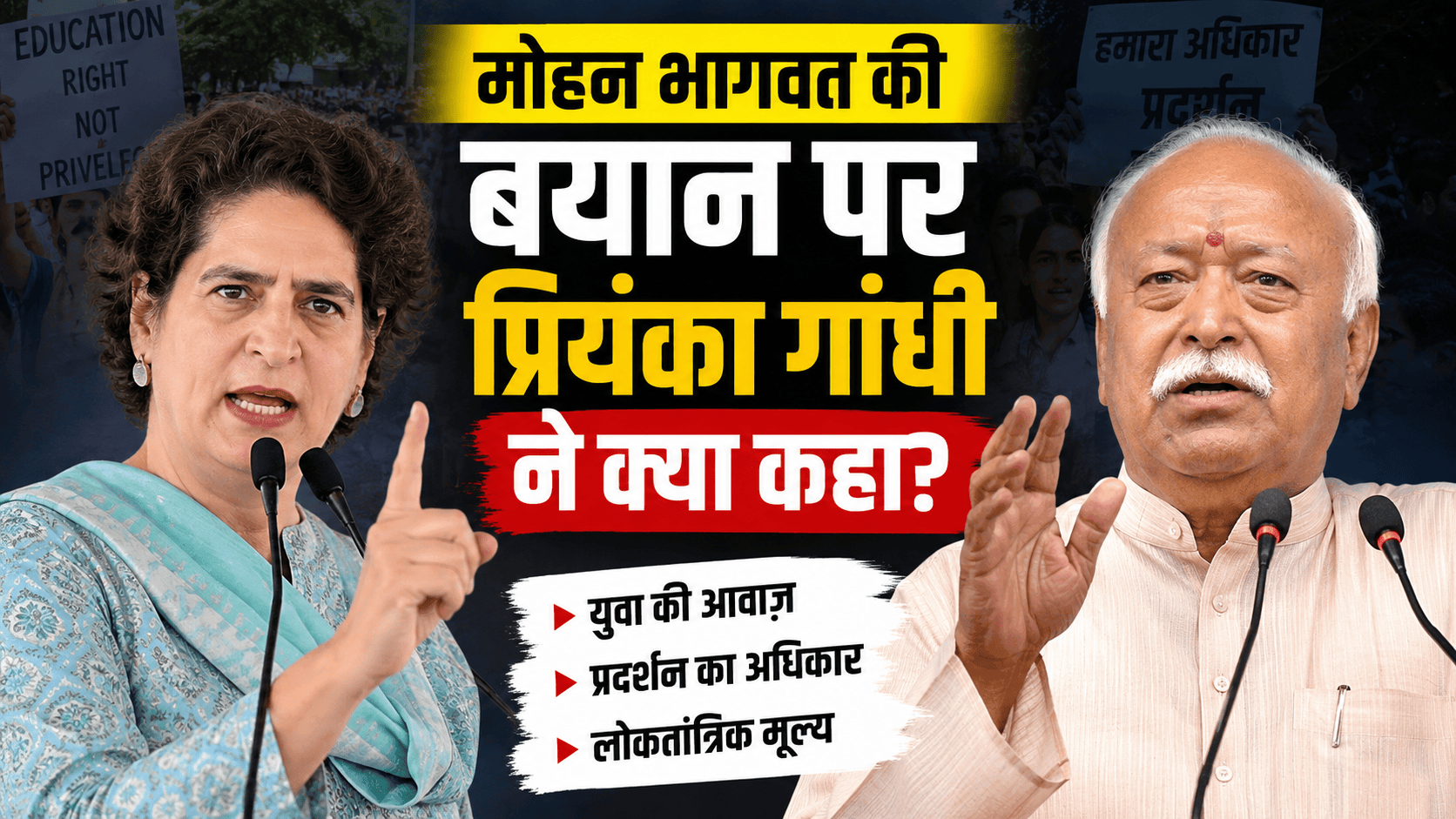
What Did Priyanka Gandhi Say on Mohan Bhagwat’s Statement? Political Debate Intensifies Over Gen Z and Student Protests
Priyanka Gandhi spoke up, The political debate over student protests, Gen Z and the right to dissent has intensified after RSS chief Mohan Bhagwat made remarks about India’s younger generation and the ongoing student movements. Congress MP Priyanka Gandhi Vadra has now responded sharply, arguing that young Indians do not need anyone’s certificate or approval to establish the legitimacy of their concerns. Her comments have added a fresh political dimension to the discussion surrounding youth activism, education-related protests and democratic expression.
The controversy gained momentum after Bhagwat spoke about the younger generation and student movements. In his remarks, he emphasized that today’s youth should be approached through dialogue, explanation and affection rather than simply being given orders. He also said that young people are not necessarily misguided and that their concerns need to be understood.
Against this backdrop, Priyanka Gandhi spoke up and questioned the need for the RSS chief to certify the intentions or character of the country’s youth. Her response has been interpreted as a direct political challenge to the framing of the Gen Z debate.
Priyanka Gandhi’s Sharp Response
Priyanka Gandhi spoke up by making it clear that young Indians do not require a certificate from Mohan Bhagwat to prove whether their protests or concerns are genuine. Her response came amid continuing political discussion about student demonstrations and the grievances raised by young people.
According to reports, Priyanka Gandhi said that the youth do not need Bhagwat’s certificate. The remark was directed at the broader question of who gets to determine whether young people’s anger, demands and protests are legitimate.
Priyanka Gandhi spoke up at a time when student movements have become an important political issue. Protests related to examination irregularities and education concerns have brought questions of accountability, transparency and institutional responsibility into the national debate.
For Congress, the issue is not merely about a political exchange between two prominent personalities. It is also about how the voices of young Indians are understood in a democracy.
Why Bhagwat’s Remarks Became Important
Mohan Bhagwat’s comments came amid student protests and a wider conversation about the relationship between young people and institutions. He argued that the younger generation needs discussion rather than dictation and suggested that authorities should engage with youth through reasoning and mutual understanding.
Priyanka Gandhi spoke up because the remarks touched on a sensitive political question: whether young people should be viewed as politically immature or whether their protests should be treated as legitimate democratic expression.
Bhagwat has also described Gen Z as adaptable and emotional while cautioning that they may not always think with a calm mind. His comments about the generation and social movements generated additional discussion about how political and social leaders perceive young Indians.
This has made the debate broader than a single statement. It now includes questions about education, youth participation, political accountability and the right to protest.
Priyanka Gandhi’s Focus on Youth Voices
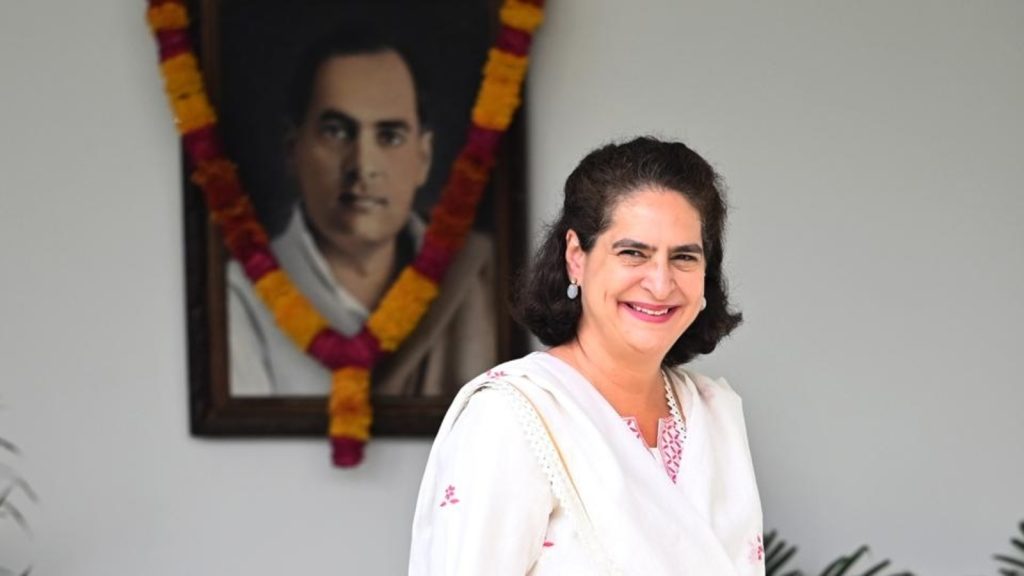
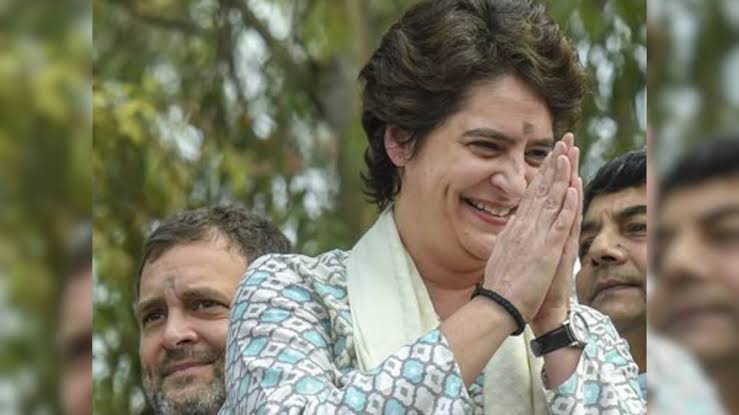
Priyanka Gandhi spoke up in defense of the idea that young people should be allowed to express dissatisfaction without first seeking political approval. Her response reflects the Congress position that democratic institutions must listen to citizens, particularly students raising concerns about issues that directly affect their future.
The political significance of her statement lies in the timing. Student protests have recently received national attention, with young people organizing demonstrations around education and examination-related grievances. Bhagwat himself acknowledged that many of the concerns raised by students are genuine and that there is much work to be done in India’s education system.
Priyanka Gandhi spoke up by shifting attention from whether youth movements have political backing to whether their underlying concerns deserve to be addressed.
That distinction is important in a democracy. A protest can become politically significant without losing its original social or educational purpose. At the same time, governments and political parties are often expected to distinguish between legitimate dissent and political exploitation.
Right to Protest Becomes Central Issue
Priyanka Gandhi spoke up for the principle that peaceful protest is an important part of democratic life. Student movements often emerge when young people believe that formal channels have failed to address their concerns. Demonstrations, public campaigns and collective action can therefore become mechanisms through which citizens demand answers.
Bhagwat’s earlier remarks also recognized protest as a possible form of dialogue and consensus-building, particularly when people feel that their concerns are not being adequately heard.
Priyanka Gandhi spoke up within this broader democratic framework, emphasizing the importance of listening to the youth rather than simply judging them.
The issue is particularly relevant for Gen Z, a generation that is increasingly active on social media and capable of organizing quickly around public issues. Their political participation may not always follow traditional party structures, making their movements harder for established political organizations to control or define.
Political Reactions Intensify
Priyanka Gandhi spoke up as other opposition leaders also reacted to Bhagwat’s comments. Congress leaders have questioned whether the RSS leadership is genuinely responding to student concerns or attempting to reshape the political narrative surrounding recent protests.
Congress MP K.C. Venugopal, for example, challenged Bhagwat to address what he described as problems faced by students. Other Congress leaders also accused the RSS of attempting damage control through its outreach to Gen Z.
At the same time, the reaction has not been uniformly critical. Jammu and Kashmir Chief Minister Omar Abdullah welcomed Bhagwat’s distinction between protesting against an issue and being anti-national, showing that the RSS chief’s remarks have also received support from political figures outside the BJP-RSS ecosystem.
Priyanka Gandhi spoke up in a political environment where competing parties are attempting to define what the student movement represents.
Gen Z and the Changing Nature of Politics
Priyanka Gandhi spoke up at a moment when Gen Z is becoming an increasingly visible force in Indian public life. Unlike older political movements, contemporary youth campaigns can spread rapidly through social media, online communities and digital networks.
This makes traditional political labels less effective. Young protesters may not identify themselves with a particular political party while still strongly demanding government accountability.
Priyanka Gandhi spoke up against the idea that young people need political validation before their concerns can be considered legitimate. Her statement therefore resonates with a wider argument about independent youth participation in democracy.
The debate also highlights a generational shift. Young Indians increasingly expect institutions to explain decisions, provide transparency and respond quickly to public criticism. Political leaders across the ideological spectrum are consequently under pressure to engage with youth in ways that go beyond traditional speeches and campaign politics.
A Larger Debate Over Democracy
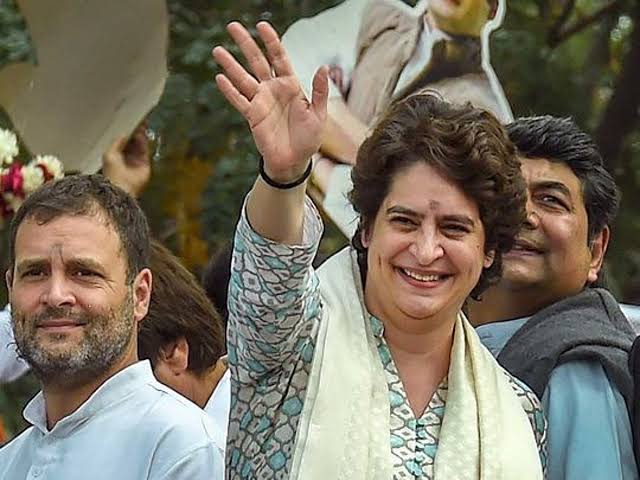
Priyanka Gandhi spoke up not only against a particular statement but also over the larger question of democratic dissent. Her intervention has placed the right to protest, freedom of expression and youth participation at the center of the political conversation.
Priyanka Gandhi spoke up as the debate moved beyond the personalities of Bhagwat and Gandhi Vadra and toward the larger issue of how governments and political organizations respond to criticism.
Priyanka Gandhi spoke up to emphasize that the legitimacy of young people’s concerns should be judged by the substance of those concerns rather than by whether a political organization approves of them.
Priyanka Gandhi spoke up at a time when student activism is once again influencing national politics. The developments surrounding examination issues and youth protests have demonstrated that education policy can quickly become a major political issue.
Ultimately, Priyanka Gandhi spoke up in a debate that is likely to continue as political parties seek to connect with India’s younger voters.
The controversy surrounding Mohan Bhagwat’s remarks shows that the question of Gen Z’s political role has become impossible to ignore. Priyanka Gandhi spoke up by challenging the idea of political certification for young protesters, while Bhagwat’s remarks emphasized dialogue and engagement with the younger generation.
The emerging debate is therefore not simply about who said what. It is about whether India’s young citizens feel heard, whether their grievances receive institutional responses, and how democratic systems accommodate dissent.
As student movements and youth activism continue to shape political discourse, Priyanka Gandhi spoke up for a vision in which young people can question authority, raise concerns and participate in democratic debate without needing anyone’s permission to be heard.
Read more latest news

