
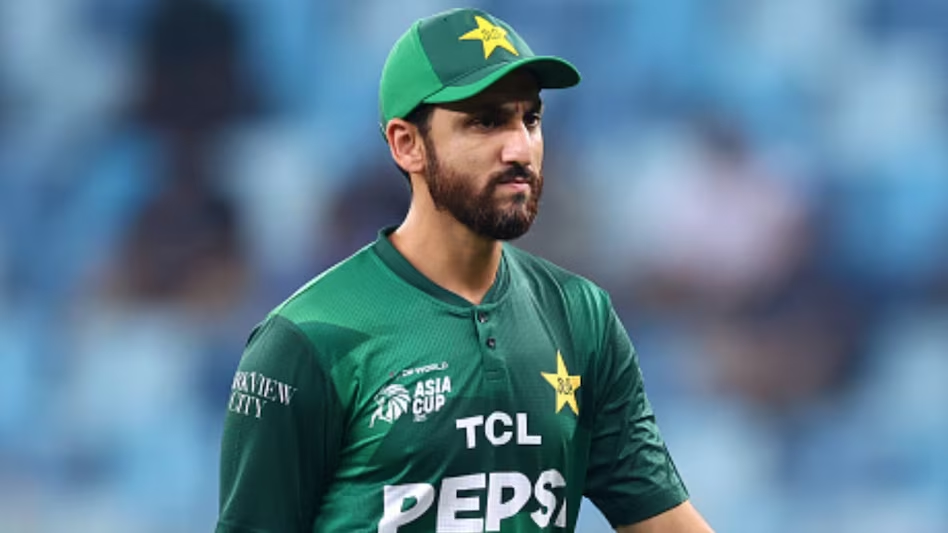
Pakistan Captain Salman Ali Agha Breaks Silence on T20 World Cup Controversy
Introduction: A Statement That Calmed Speculation
Pakistan captain Salman Ali Agha has finally broken his silence on the ongoing T20 World Cup controversy, putting to rest weeks of speculation, rumors, and intense debate within cricketing and political circles. His statement, simple yet firm, made Pakistan’s position clear: the team will follow whatever decision is taken by the government and the Pakistan Cricket Board (PCB) chairman. This clarity has shifted the focus from player intent to institutional decision-making, redefining how the T20 World Cup controversy is being viewed both domestically and internationally.
Background of the Issue
The T20 World Cup controversy emerged amid rising political tensions and questions over Pakistan’s participation in certain matches during the tournament. Social media debates, television panels, and former cricketers weighed in, often placing players under unnecessary pressure. For weeks, the silence from the Pakistan team leadership fueled speculation, making Salman Ali Agha’s remarks particularly significant in the context of the T20 World Cup controversy.
Salman Ali Agha’s Clear Message
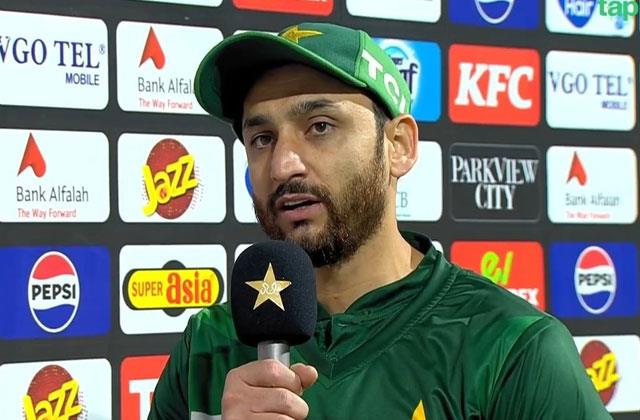
Addressing the media, Agha stated unequivocally that players are not policymakers. His words underlined a crucial point often ignored during the T20 World Cup controversy—that international cricketers operate within frameworks set by governments and cricket boards. By saying, “We will do whatever the government and the PCB chairman tell us,” Agha reinforced the chain of authority governing Pakistan cricket.
Players Caught in the Middle
One of the most sensitive aspects of the T20 World Cup controversy has been the position of players. Athletes train for years to represent their country on the world stage, yet sudden political developments can overshadow sporting goals. Agha’s statement subtly highlighted the emotional and professional strain players face during moments like the T20 World Cup controversy.
PCB’s Central Role
The Pakistan Cricket Board has been at the heart of the T20 World Cup controversy, balancing international obligations with domestic expectations. Analysts believe that Agha’s comments were also an attempt to redirect scrutiny away from players and toward decision-makers, where responsibility for the T20 World Cup controversy ultimately lies.
Government Influence on Sports Decisions
In Pakistan, as in many countries, cricket is deeply intertwined with national sentiment. The T20 World Cup controversy once again demonstrated how government positions can influence sporting decisions. Salman Ali Agha’s acknowledgment of government authority confirmed what many already suspected—that the final call on the T20 World Cup controversy will come from political leadership, not the dressing room.
Reaction from Former Cricketers
Former Pakistan cricketers reacted with mixed opinions. Some praised Agha for his honesty, saying it brought much-needed transparency to the T20 World Cup controversy. Others felt that players should have a stronger collective voice. Still, most agreed that Agha’s statement clarified the players’ stance amid the T20 World Cup controversy.
Media and Public Response
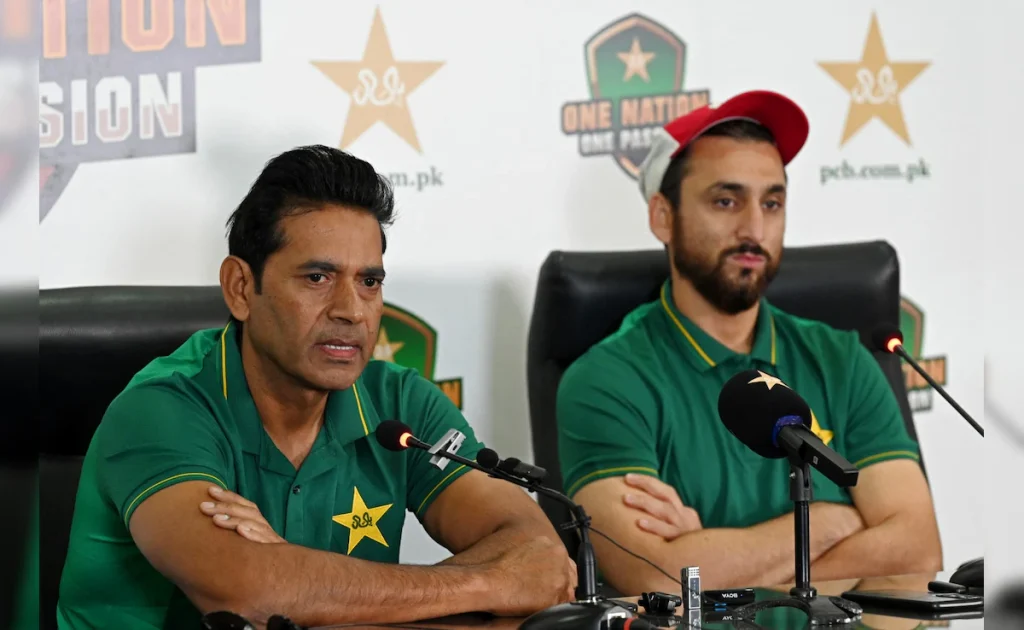
Pakistani media widely covered Agha’s remarks, framing them as a turning point in the T20 World Cup controversy. Fans on social media expressed relief that the captain finally addressed the issue, even if the answer itself raised further questions about how the T20 World Cup controversy will be resolved.
Impact on Team Morale
Uncertainty can affect team morale, and the prolonged T20 WorldCup controversy was no exception. Coaches and sports psychologists emphasize that clarity—even if it limits player agency—can help teams refocus. Agha’s statement may allow players to mentally move past the T20 World Cup controversy and concentrate on performance.
International Cricket Community View
The global cricketing community has closely followed the T20 WorldCup controversy, especially given Pakistan’s central role in international cricket politics. Agha’s remarks were seen as pragmatic, aligning Pakistan with ICC norms while acknowledging domestic authority within the T20 WorldCup controversy framework.
ICC Regulations and Obligations
Under ICC rules, teams are expected to honor tournament commitments. The T20 World Cup controversy raised concerns about potential sanctions or penalties. By deferring to the PCB and government, Agha effectively distanced players from accountability for any outcomes related to the T20 WorldCup controversy.
Sponsorship and Commercial Concerns
Sponsors and broadcasters have a vested interest in tournament stability. The T20 World Cup controversy created uncertainty in commercial circles, but Agha’s comments reassured stakeholders that Pakistan cricket operates under a clear command structure, even amid the T20 WorldCup controversy.
Comparisons with Past Incidents
Cricket history is filled with moments where politics intersected with sport. Analysts compared the current T20 World Cup controversy with past boycotts and diplomatic standoffs, noting that players often bear the brunt of criticism despite having limited control.

Fans’ Emotional Investment
For fans, the T20 World Cup controversy is not just about policy—it’s about pride, rivalry, and passion. Agha’s straightforward tone resonated with many supporters who wanted honesty rather than speculation surrounding the T20 WorldCup controversy.
Team Preparation Amid Uncertainty
Despite the noise, Pakistan’s coaching staff has emphasized preparation and discipline. Agha’s statement may help insulate the squad from distractions caused by the T20 World-Cup controversy, allowing them to focus on training and strategy.
Leadership Style of Salman Ali Agha
Leadership during crisis defines captains. By addressing the T20 World-Cup controversy calmly and respectfully, Agha demonstrated a leadership style rooted in realism rather than rhetoric. His approach reflects an understanding of the limitations players face during the T20 World-Cup controversy.
Political Neutrality of Players
Agha’s remarks reinforced the idea that players must remain politically neutral. In the T20 World-Cup controversy, this neutrality protects athletes from backlash and preserves the spirit of sport, even when external pressures mount.
What Happens Next?
The next steps in the T20 World-Cup controversy depend largely on discussions between the PCB, government authorities, and the ICC. Agha’s role, for now, appears complete—he has communicated the team’s position clearly within the context of the T20 World Cup controversy.
Broader Implications for Pakistan Cricket
The T20 World-Cup controversy could have long-term implications for how Pakistan navigates international tournaments. Governance structures, communication strategies, and crisis management may all evolve as a result of this episode.
Conclusion: Clarity Amid Chaos
In closing, Salman Ali Agha’s statement has brought clarity to an emotionally charged situation. While it does not resolve the T20 World-Cup controversy, it clearly defines the players’ stance and shifts responsibility to the appropriate authorities. As events unfold, one thing is certain—the T20 World Cup controversy has highlighted the complex relationship between sport, governance, and national policy, reminding the world that cricketers often stand at the crossroads of forces far beyond the boundary rope.
Read More latest sport news

