
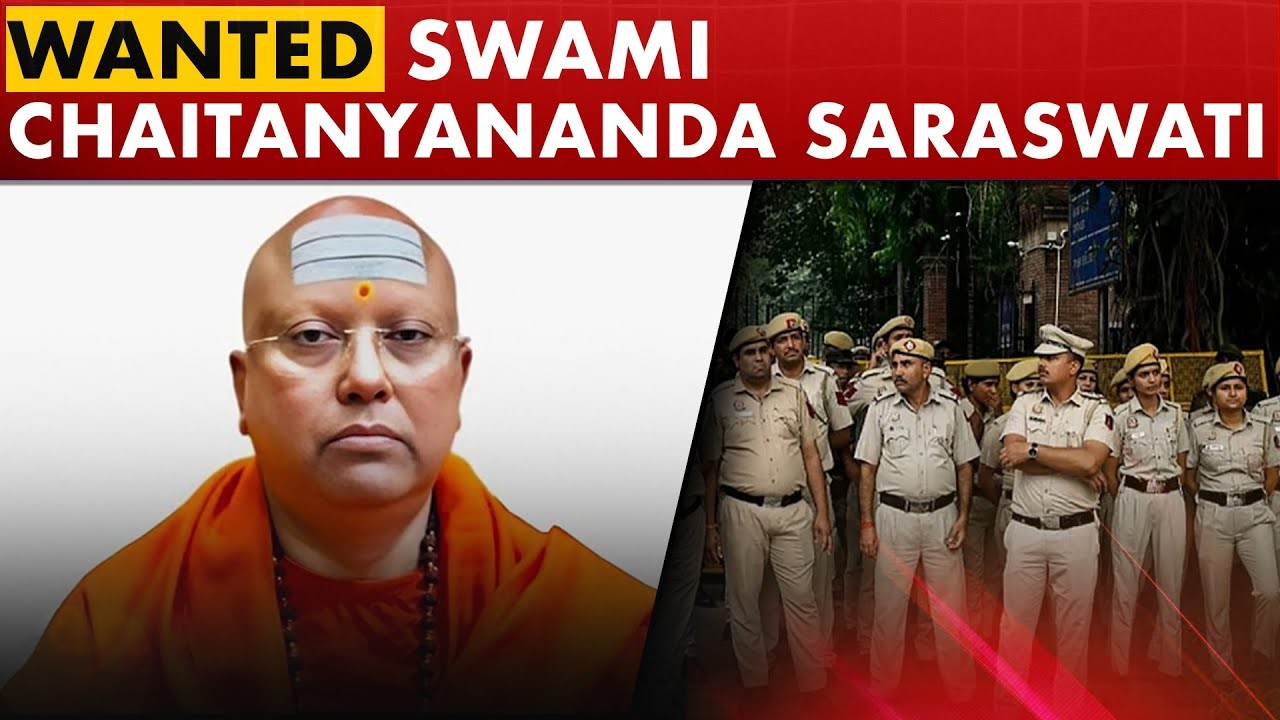
“He Would Call Me Alone to His Room Late at Night, Even Installed a Hidden Camera”: The Girls Exposed Swami Chaitanyananda’s Secrets
Introduction
the girls exposed Swami Chaitanyananda’s secrets ‘He would call me alone to his room late at night, even installed a hidden camera’. In recent years, India has witnessed a disturbing rise in cases where so-called spiritual leaders have been accused of grave misconduct, particularly involving exploitation of their followers. The most recent controversy surrounds Swami Chaitanyananda, a self-styled godman whose shocking secrets were exposed by several young girls associated with his ashram. Their testimonies have shaken faith in yet another self-proclaimed guru who used spirituality as a façade to exploit innocent devotees.
The revelations — “He would call me alone to his room late at night, even installed a hidden camera” — have not only raised questions about Swami Chaitanyananda’s conduct but also reignited the debate on unchecked power, blind faith, and the urgent need for accountability in religious institutions.
This blog will analyze the entire case in detail, from the allegations made by the girls to the broader implications for Indian society, governance, and the spiritual community at large.
The Rise of Swami Chaitanyananda
Swami Chaitanyananda presented himself as a spiritual teacher, attracting followers with his lectures on meditation, yoga, and “inner peace.” His ashram grew into a place of worship for hundreds of devotees, especially women and children, who saw him as a guiding force.
- His sermons were broadcast online, drawing thousands of viewers.
- The ashram promised free education, spiritual counseling, and women’s empowerment programs.
- Many families trusted him with their daughters, believing that his presence would “protect their honor.”
Ironically, the very institution that promised safety and guidance became a hub of exploitation, according to the survivors.
The Shocking Allegations: Girls Speak Out
The controversy erupted when a group of young women, once residents of Swami Chaitanyananda’s ashram, came forward with disturbing claims. Their statements revealed a pattern of sexual, emotional, and psychological exploitation.
1. Late-Night Summons
One of the survivors disclosed:
“He would call me alone to his room late at night. At first, I thought it was for spiritual guidance, but soon I realized his intentions were not pure. He would try to touch me inappropriately under the pretext of blessings.”
This testimony is chilling, highlighting how manipulation of religious authority can make young girls vulnerable.
2. The Hidden Camera
Perhaps the most disturbing claim was that Swami Chaitanyananda had installed a hidden camera inside his private quarters.
- Girls revealed they were often asked to perform rituals or yoga postures alone in his room.
- Many later discovered that they were being recorded without their knowledge.
- Survivors allege that these videos may have been used to blackmail them into silence.
3. Emotional Blackmail
Several women stated that whenever they resisted his advances, the Swami warned them that opposing him would invite “bad karma.” He used fear of divine punishment as a weapon to silence his victims.
4. Grooming and Isolation
The girls revealed a systematic grooming process:
- Initially showered with affection and privileges.
- Slowly isolated from their families.
- Manipulated into believing that serving the Swami was equivalent to serving God.
How the Truth Came Out
The exposure did not happen overnight. It was a collective act of courage by a few survivors who decided they could no longer stay silent.
- One girl discovered the hidden camera and managed to retrieve a memory card containing evidence.
- The survivors then approached local NGOs and women’s rights activists.
- Their testimonies, along with the video evidence, were shared with investigative journalists.
The media picked up the story, and within days, the scandal became a national headline.
Society’s Response
The revelations about Swami Chaitanyananda have triggered mixed reactions:
- Shock and Anger: Many devotees feel betrayed, as they trusted him with their families.
- Support for Survivors: Women’s groups and activists have praised the courage of the girls who exposed the truth.
- Blind Defense: A section of loyal followers still believe the accusations are part of a conspiracy to defame the Swami.
This polarized response mirrors past scandals involving controversial godmen in India.
Legal Action Against Swami Chaitanyananda
After the survivors’ complaints were filed, police registered a case under:
- Sections of IPC relating to sexual harassment, intimidation, and criminal breach of trust.
- POCSO Act, since some of the survivors were minors at the time of the alleged abuse.
- IT Act, due to the illegal use of hidden cameras and recording devices.
Authorities sealed parts of the ashram and seized electronic devices for forensic examination.
However, questions remain:
- Why was the Swami allowed to operate unchecked for so long?
- Did local authorities ignore earlier complaints out of fear or influence?
- Will the survivors receive justice, or will this case fade like many others?
The Pattern of Fake Godmen in India
Swami Chaitanyananda’s case is not isolated. India has seen multiple instances where self-styled gurus were exposed:
- Asaram Bapu – convicted of raping a minor.
- Gurmeet Ram Rahim Singh – jailed for rape and murder.
- Nithyananda – accused of sexual abuse and running an exploitative cult.
Each of these cases followed a similar pattern: blind devotion, systematic grooming, silencing of victims, and eventual exposure.
This raises the question: Why do so many fall prey to fake gurus?
The Psychology of Blind Faith
To understand this phenomenon, one must examine the psychology of spiritual exploitation:
- Search for Meaning: In a chaotic world, people look for guidance, peace, and answers.
- Charismatic Authority: Self-proclaimed gurus present themselves as enlightened beings with “exclusive” wisdom.
- Emotional Vulnerability: Families in distress — financial, emotional, or spiritual — often turn to godmen for solutions.
- Fear of Divine Punishment: Victims are often told that disobedience will anger God, trapping them in silence.
Media’s Role in Exposing the Scandal
Independent journalism played a crucial role in exposing Swami Chaitanyananda. Reporters who spoke with the survivors ensured their anonymity and safety, giving them a platform to be heard.
This once again demonstrates why free press is essential — to hold powerful figures accountable when the system fails.
The Impact on the Survivors
While exposing Swami Chaitanyananda is a victory, the survivors continue to face challenges:
- Social Stigma: In many communities, victims of abuse are blamed instead of the abuser.
- Psychological Trauma: Years of exploitation have left scars requiring long-term counseling.
- Threats and Intimidation: Some survivors reported receiving threats from loyalists of the Swami.
It is crucial that these girls receive both legal protection and psychological support.

Government and Legal System: The Way Forward
The case has highlighted loopholes in India’s system of monitoring religious institutions. Suggested reforms include:
- Background Checks: Strict scrutiny before granting land or licenses to spiritual organizations.
- Ashram Regulations: Regular inspections to prevent misuse of funds and exploitation.
- Whistleblower Protection: Legal safeguards for those who expose abuse.
- Speedy Trials: Fast-track courts for sexual exploitation cases involving religious figures.
Broader Lessons for Society
The scandal forces us to ask difficult questions:
- Why do we place unquestioned trust in self-proclaimed gurus?
- How can families ensure their children are safe in ashrams and spiritual centers?
- What role should the state play in regulating faith-based institutions without interfering in genuine spirituality?
The answers lie in promoting critical thinking, education, and awareness.
Conclusion
The testimonies of the girls — “He would call me alone to his room late at night, even installed a hidden camera” — are not just personal stories of betrayal but a wake-up call for the entire nation.
Swami Chaitanyananda’s case underscores the dangers of blind faith, unchecked power, and the exploitation of spirituality for personal gain. It is now up to society, media, and the legal system to ensure that justice is delivered, survivors are protected, and such abuses are not repeated.
Read more latest news

