

Union Agriculture Minister Shivraj Singh Chauhan Visits Flood-Hit Punjab, Shares Video of Ground Reality
Introduction
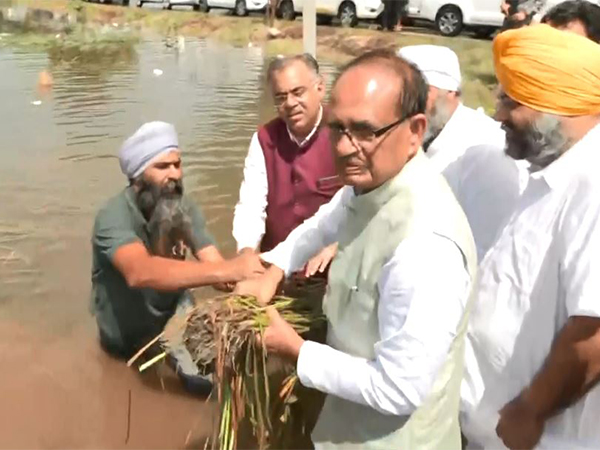
The state of Punjab is grappling with one of the worst natural disasters in recent years. Torrential rains and overflowing rivers have triggered widespread floods, leaving a trail of destruction in villages, towns, and agricultural lands. In the midst of this crisis, Union Agriculture Minister Shivraj Singh Chauhan visited the flood-affected regions on Thursday, assuring people of all possible support from the central government. He also shared a video of his visit on social media, giving the nation a glimpse of the ground reality.
This visit is being seen as a strong message of solidarity with the people of Punjab, especially farmers who have lost standing crops and livestock due to the calamity. The situation has sparked a broader debate on climate change, disaster management, and the resilience of India’s agricultural sector.
In this blog, we will dive deep into:
- The current flood situation in Punjab
- The visit of Shivraj Singh Chauhan and its political & social impact
- Economic losses faced by farmers
- The role of the central and state governments in relief and rehabilitation
- The larger conversation around climate resilience in agriculture
Punjab Floods 2025: The Ground Situation
Over the past few weeks, heavy rainfall has lashed several districts of Punjab. Rivers such as Satluj, Beas, and Ghaggar have been flowing above danger levels, flooding villages and destroying farmlands.
Key affected districts:
- Ludhiana
- Patiala
- Hoshiarpur
- Jalandhar
- Sangrur
- Fatehgarh Sahib
Thousands of families have been displaced, houses submerged, and roads washed away. The National Disaster Response Force (NDRF) and local authorities are working tirelessly to rescue stranded residents and provide shelter in relief camps.

Shivraj Singh Chauhan’s Visit
On Thursday, Union Agriculture Minister Shivraj Singh Chauhan reached the flood-affected areas to take stock of the situation. His visit was not limited to aerial surveys—he walked through villages, interacted with distressed families, and listened to farmers’ grievances.
Key highlights of his visit:
- Direct Interaction with Farmers – Chauhan met farmers whose crops had been destroyed, assuring them of compensation and crop insurance support.
- Assessment of Crop Damage – Officials presented estimates of losses, with thousands of hectares of paddy and maize fields submerged.
- Relief Announcements – He promised quick disbursement of relief funds under central schemes.
- Social Media Outreach – Chauhan shared a video of his visit on Twitter (X), Facebook, and Instagram, showing visuals of destroyed fields, damaged houses, and relief camps.
- Coordination with State Government – He emphasized joint efforts between the Punjab government and the Centre to tackle the crisis.
Reactions from Citizens and Social Media
The video shared by Chauhan went viral, receiving mixed reactions:
- Supportive voices praised him for being on the ground and showing concern for farmers.
- Critics, however, argued that timely preventive measures could have reduced losses.
- Many farmers’ unions demanded immediate compensation and long-term flood management strategies.
Hashtags such as #PunjabFloods, #ShivrajSinghChauhan, and #FarmersFirst started trending on social media platforms.
Impact on Farmers
Punjab, known as the food bowl of India, has been hit hard. Agriculture is the backbone of the state, and the floods have dealt a severe blow to rural livelihoods.
Estimated Losses:
- Paddy fields: Thousands of acres destroyed just before harvest season.
- Livestock: Cattle and poultry losses reported in many villages.
- Farm Equipment: Tractors, irrigation pumps, and storage facilities damaged.
- Economic Hit: Preliminary estimates suggest losses worth several thousand crores.
Farmer Voices:
Many farmers expressed despair, saying that while crop insurance exists on paper, actual disbursement is often delayed. They urged the minister to ensure timely compensation.
Government Response
Central Government Initiatives:
- Emergency Relief Funds released under the National Disaster Response Fund (NDRF).
- Directions for crop insurance companies to settle claims swiftly.
- Proposals for interest-free loans for farmers to rebuild livelihoods.
State Government Measures:
- Setting up relief camps for displaced families.
- Distribution of food packets, medicines, and clean drinking water.
- Deployment of Punjab police and volunteers for rescue operations.
Political Angle
The visit of Shivraj Singh Chauhan also carries a political dimension. With Punjab being an agriculturally rich and politically sensitive state, the Centre’s quick response reflects its focus on farmer-centric policies. Opposition parties, however, have criticized the timing, saying that “visits after destruction” cannot compensate for lack of preventive flood management infrastructure.
Climate Change and Floods in Punjab
Experts have pointed out that climate change is intensifying extreme weather events in India. Punjab, which has seen drought-like conditions in some years, is now facing unprecedented floods.
Key Factors Behind Floods:
- Excessive rainfall due to changing monsoon patterns.
- Encroachment of riverbeds and wetlands.
- Poor drainage systems in urban areas.
- Deforestation leading to soil erosion.
Unless long-term strategies are implemented, Punjab may face such crises more frequently.
The Way Forward
- Strengthening Flood Control Infrastructure – Building dams, embankments, and reservoirs.
- Climate-Resilient Farming – Encouraging farmers to adopt crops that can withstand extreme weather.
- Crop Insurance Reform – Ensuring timely and transparent settlement of claims.
- Community Awareness – Training rural communities in disaster preparedness.
- Policy Reforms – A coordinated strategy between Centre and States for flood-prone areas.
Human Stories from the Ground
- A farmer from Patiala shared that his entire year’s harvest was washed away, leaving his family with no income.
- A schoolteacher from Ludhiana said her house collapsed in the floods, and she is now living in a relief camp.
- A shopkeeper in Sangrur said he lost his shop inventory worth lakhs in just one night.
Such stories underline the human cost of floods, beyond just statistics.
Conclusion
The visit of Union Agriculture Minister Shivraj Singh Chauhan to flood-hit Punjab is a strong message that the Centre stands with the people in their hour of need. His video from the ground has brought national attention to the crisis, highlighting both the devastation and the urgent need for relief.
While immediate relief is being provided, the floods also serve as a wake-up call for India to rethink its approach towards climate resilience, disaster preparedness, and agricultural security.
Punjab’s farmers, who feed the nation, need not just sympathy but sustained support in rebuilding their lives and livelihoods.
Read more latest news

