
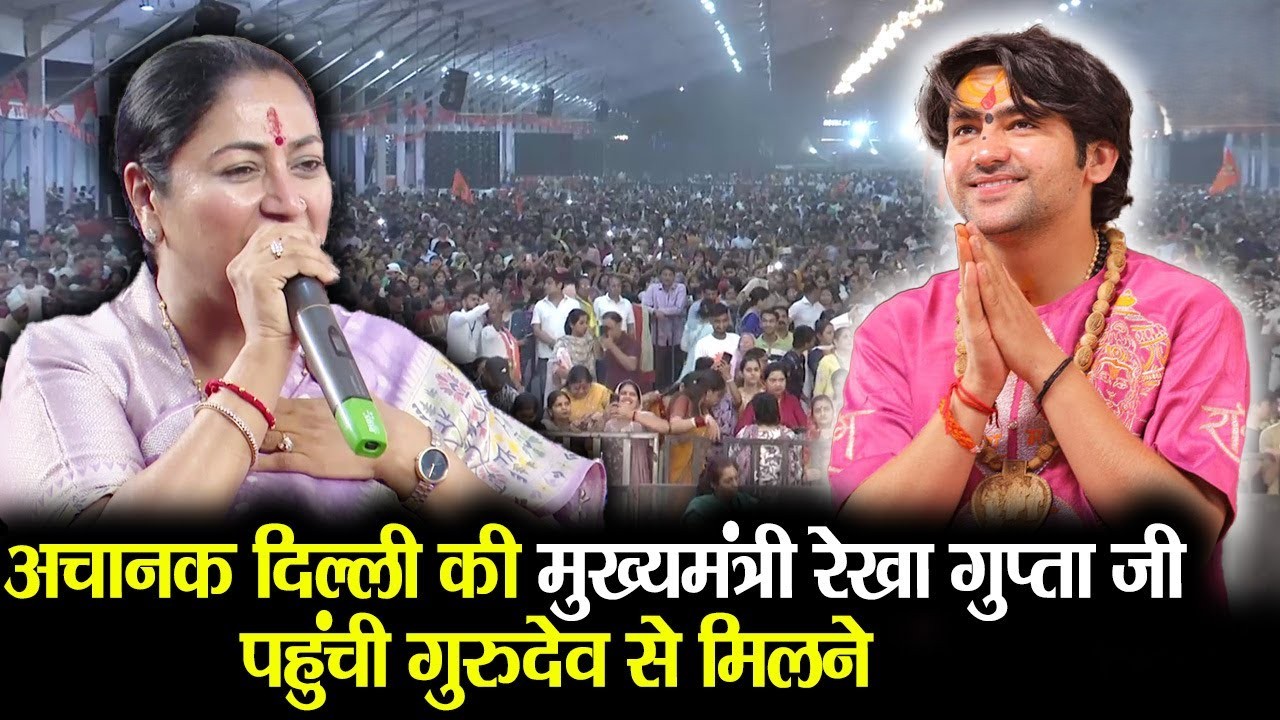
Delhi Chief Minister Rekha Gupta Meets Bageshwar Dham Sarkar Pt. Dhirendra Krishna Shastri at Chief Minister Janseva Sadan
Introduction
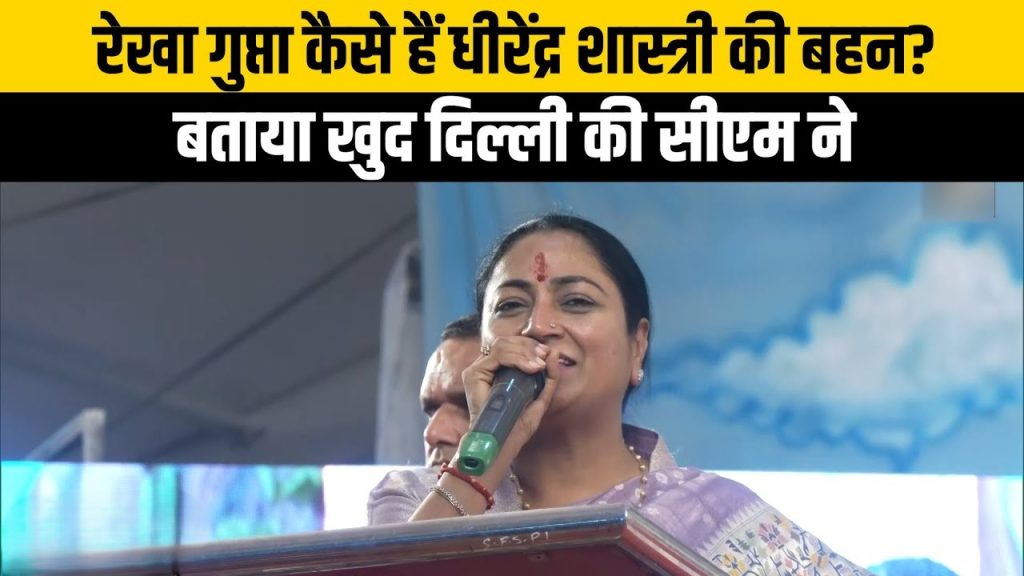
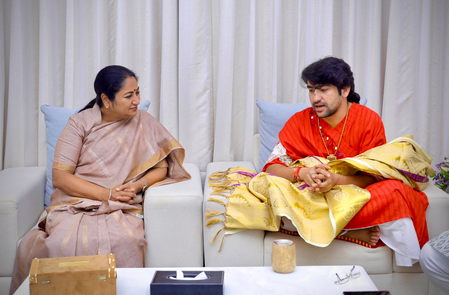
In a significant spiritual-political moment, Delhi Chief Minister Rekha Gupta met the revered spiritual leader Pt. Dhirendra Krishna Shastri of Bageshwar Dham at the Chief Minister Janseva Sadan. The meeting brought together the worlds of politics and faith, sparking discussions across media platforms and social networks.
The event not only highlighted the growing influence of religious leaders in Indian politics but also underscored the CM’s attempt to connect with spiritual traditions, showcasing governance that respects both development and cultural roots.
This blog takes you through:
- The background of both personalities
- Details of the meeting at Janseva Sadan
- The spiritual-political significance of the event
- Public and media reactions
- Broader implications for Delhi and Indian politics
Who is Rekha Gupta?
Rekha Gupta, the current Chief Minister of Delhi, is known for her grassroots political journey and pro-people initiatives. Her governance style blends administrative discipline with a focus on women empowerment, youth development, urban reforms, and cultural preservation.
She has often stressed that politics must remain connected to Dharma (righteousness), culture, and ethics, making her meeting with a prominent spiritual figure like Pt. Dhirendra Krishna Shastri a natural alignment.
Who is Pt. Dhirendra Krishna Shastri?
Popularly known as Bageshwar Dham Sarkar, Pt. Dhirendra Krishna Shastri is one of the most followed spiritual leaders in India today. Based in Chhatarpur, Madhya Pradesh, he has gained nationwide fame for his:
- Ram Katha and spiritual discourses
- Advocacy for Sanatan Dharma
- Social service initiatives for poor and marginalized communities
- Controversial yet popular public persona that resonates with millions of devotees
He is often seen as a bridge between religion and contemporary social issues, making his words influential both inside and outside spiritual circles.
The Meeting at Chief Minister Janseva Sadan
The Chief Minister Janseva Sadan, designed as a people’s governance hub, became the venue of this high-profile meeting. According to official reports, the meeting lasted over an hour and covered topics ranging from spirituality and governance to social reform.
Key Highlights:
- Exchange of Blessings – Pt. Shastri blessed CM Rekha Gupta, wishing for Delhi’s progress and peace.
- Discussion on Social Initiatives – Both discussed collaborative ways to work for education, health, and poverty alleviation.
- Sanatan Dharma and Governance – The CM emphasized that governance should align with Indian values, culture, and ethics.
- Symbol of Mutual Respect – The meeting reflected how politics and spirituality can complement each other.
Symbolism of the Meeting
Such a meeting carries multiple layers of meaning:
- Political Significance: Shows Rekha Gupta’s intent to align with spiritual sentiment among citizens.
- Spiritual Significance: Affirms that India’s governance remains rooted in Sanatan Dharma.
- Cultural Significance: Demonstrates a respect for India’s rich spiritual heritage in political institutions.
Public Reaction
The meeting created a social media storm. Supporters of both leaders hailed it as a powerful blend of Dharma and Rajneeti. Devotees of Bageshwar Dham trended hashtags praising the CM’s respect for spiritual leaders.
However, some critics saw it as another example of the increasing politicization of religion. Debates emerged on TV and digital platforms about whether such meetings strengthen governance or blur lines between politics and faith.
Spirituality in Indian Politics – A Long Tradition
India has a long history of political leaders seeking guidance from saints and gurus. From Mahatma Gandhi’s inspiration in spiritual texts to modern leaders consulting spiritual figures, the blend of politics and faith has shaped public life.
Rekha Gupta’s meeting with Pt. Shastri continues this tradition, showing how political legitimacy in India often aligns with spiritual endorsement.
The Larger Message
The meeting sends out a strong message that:
- Governance must stay people-centric and culturally rooted.
- Politics should not ignore India’s spiritual heritage.
- Collaboration between political institutions and spiritual leaders can strengthen social development.
Delhi’s Social-Religious Landscape
Delhi, as India’s capital, is not just a political hub but also a center of diverse religious traditions. By meeting Pt. Shastri, Rekha Gupta signals her intent to respect the cultural and spiritual fabric of Delhi’s people, especially at a time when urban societies are facing issues of identity, stress, and disconnection from roots.
Potential Collaborations Discussed
Sources suggest that both leaders discussed the possibility of joint initiatives such as:
- Free food distribution programs (Anna Seva)
- Scholarship schemes for poor students
- Cultural events promoting Ramayana and Bhagavad Gita
- Spiritual counseling centers for youth
Media Coverage
Mainstream media widely covered the event with headlines such as:
- “Faith Meets Governance: Rekha Gupta and Bageshwar Dham Sarkar in Delhi”
- “Chief Minister Rekha Gupta Receives Blessings from Pt. Dhirendra Krishna Shastri”
While coverage was mostly positive, some outlets framed it as a strategic political move ahead of elections.
Criticism and Counterarguments
Critics argue that politicians should avoid aligning too closely with religious figures, as India is a secular democracy. However, supporters counter that respecting spiritual leaders does not violate secularism, but rather embraces India’s pluralistic culture.
Broader Implications for Indian Politics
This meeting may inspire other leaders to engage more openly with spiritual leaders, reinforcing the role of Sanatan values in public life. It also opens debates on how to balance modern governance with traditional ethos.
Human Connection
For ordinary citizens, the image of their CM bowing before a spiritual guru resonates deeply. It symbolizes humility, respect for tradition, and recognition that leaders are also guided by higher moral values.
Conclusion
The meeting between Delhi Chief Minister Rekha Gupta and Bageshwar Dham Sarkar Pt. Dhirendra Krishna Shastri at Chief Minister Janseva Sadan is more than just a headline event. It reflects the timeless Indian philosophy where Dharma (righteousness) guides Rajneeti (politics).
As Delhi continues its journey of modernization, the CM’s engagement with spiritual leaders shows a commitment to ensuring that development remains rooted in culture, faith, and ethics.
This event will be remembered as a milestone in blending spirituality with governance, reminding citizens that true leadership lies not just in policies, but also in respecting the spiritual soul of India.
Read more latest news

