
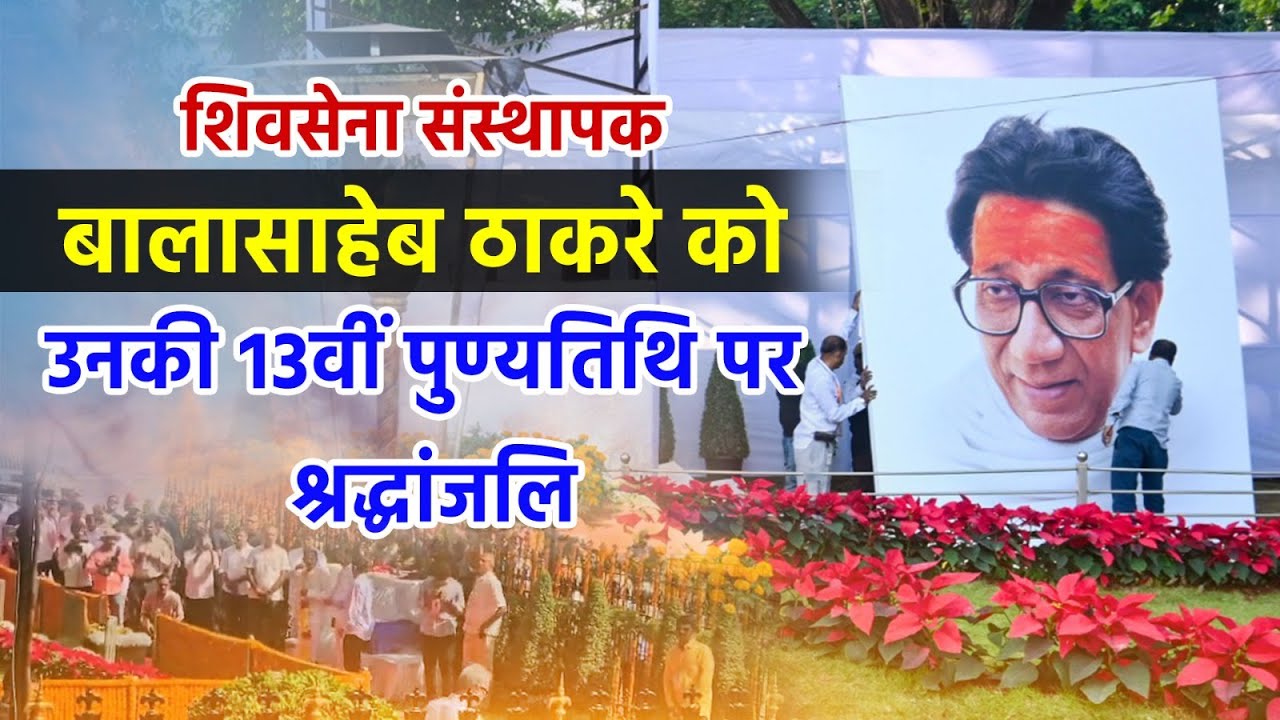
Uddhav Thackeray and Raj Thackeray Pay Tribute to Balasaheb Thackeray, Signal Historic Shiv Sena–MNS Alliance Ahead of 2026 Municipal Elections
The politics of Maharashtra is once again witnessing a historic moment. Former Maharashtra Chief Minister and Shiv Sena (UBT) chief Uddhav Thackeray, along with Maharashtra Navnirman Sena (MNS) chief Raj Thackeray, paid heartfelt tribute to the late Balasaheb Thackeray. The occasion was not merely ceremonial; it carried deep political symbolism. Today, the two estranged cousins are set to announce a major political alliance between Shiv Sena (UBT) and MNS for the upcoming 2026 municipal elections, a move that could significantly alter the political equations in Maharashtra’s urban power centers.
Balasaheb Thackeray remains a towering figure in Maharashtra’s political history. His ideology, charisma, and uncompromising leadership style shaped the identity of Shiv-Sena and influenced generations of Marathi voters. The coming together of Uddhav Thackeray and Raj Thackeray at his memorial has reignited emotional and political discussions across the state.
Emotional Tribute to Balasaheb Thackeray
As Uddhav Thackeray and Raj Thackeray stood before the memorial of Balasaheb Thackeray, the moment resonated deeply with Shiv Sainiks and Marathi-speaking citizens alike. Floral tributes, folded hands, and solemn expressions reflected not just respect for a leader but also the weight of legacy.
Balasaheb Thackeray founded Shiv Sena with the aim of asserting Marathi pride, protecting local employment, and standing up for Maharashtra’s cultural identity. Over the decades, Shiv Sena evolved into one of the most influential political forces in the state, shaping governments and narratives alike.
For Uddhav Thackeray, the tribute was deeply personal. As Balasaheb’s son, he inherited not only leadership but also the ideological responsibility of steering Shiv-Sena through turbulent times. For Raj Thackeray, Balasaheb was both an uncle and a political mentor whose oratory and mass connect left an indelible mark.
Symbolism Behind the Joint Appearance
The joint tribute has been widely interpreted as more than an act of respect. Political observers believe it marks the beginning of a strategic reunification of the broader Thackeray legacy. While Shiv Sena (UBT) and MNS have walked separate paths for years, the growing political challenges and the approaching municipal elections appear to have necessitated a rethink.
The presence of both leaders together sends a powerful signal to Shiv Sena cadres and Marathi voters that the Thackeray family feud may finally be taking a backseat to larger political goals. The optics of unity, especially at Balasaheb’s memorial, have struck an emotional chord.

Announcement of Shiv Sena (UBT)–MNS Alliance
Later today, Uddhav Thackeray and Raj Thackeray are expected to formally announce an alliance between Shiv Sena (UBT) and MNS for the 2026 municipal elections. This alliance is being viewed as a game-changer, particularly in urban bodies like the Brihanmumbai Municipal Corporation (BMC), Thane, Pune, and Nashik.
The BMC, long considered the financial backbone of Shiv Sena, holds enormous political and economic significance. A united front between Shiv Sena (UBT) and MNS could consolidate the Marathi vote, which has been divided over the years.
Political strategists argue that this alliance could challenge rival parties by presenting a strong regional narrative rooted in Balasaheb Thackeray’s ideology. For Shiv Sena supporters, the alliance represents a return to the core principles of regional pride and assertive governance.
Why the Alliance Matters in 2026
Municipal elections are often seen as a litmus test of grassroots strength. For Shiv Sena (UBT), the 2026 municipal polls are crucial to reassert its dominance after recent political setbacks. Aligning with MNS could help strengthen booth-level coordination and revive the emotional connect with traditional voters.
For Raj Thackeray’s MNS, the alliance offers an opportunity to regain relevance in mainstream politics. Despite his strong oratory and appeal among urban youth, Raj Thackeray’s electoral performance has remained inconsistent. Partnering with Shiv Sena could provide organizational depth and wider reach.
Together, Shiv Sena (UBT) and MNS aim to project themselves as the true inheritors of Balasaheb Thackeray’s legacy.
Reactions from Shiv Sainiks and Party Workers
The news of the alliance has sparked enthusiasm among grassroots workers. Many Shiv Sena loyalists believe that unity among Thackeray-led parties was long overdue. Social media platforms are flooded with images of Balasaheb Thackeray alongside Uddhav and Raj, accompanied by slogans of unity and strength.
Senior Shiv Sena leaders have welcomed the move, calling it a “historic correction.” They argue that political differences should never overshadow the ideological foundation laid by Balasaheb.
However, some skepticism remains. A section of observers points out past differences between Shiv Sena and MNS, cautioning that managing egos and seat-sharing could be challenging.
Political Impact Across Maharashtra
The alliance could reshape Maharashtra’s political landscape, especially in urban constituencies. Parties opposing Shiv Sena (UBT) and MNS are closely monitoring the developments, aware that a consolidated Marathi vote bank could upset existing equations.
In Mumbai, where Shiv Sena has traditionally enjoyed strong support, the alliance is expected to mount a serious challenge to rival formations. Analysts believe that the emotional appeal of Balasaheb Thackeray, combined with strategic coordination, could give Shiv-Sena (UBT) and MNS a competitive edge.
Legacy of Balasaheb Thackeray
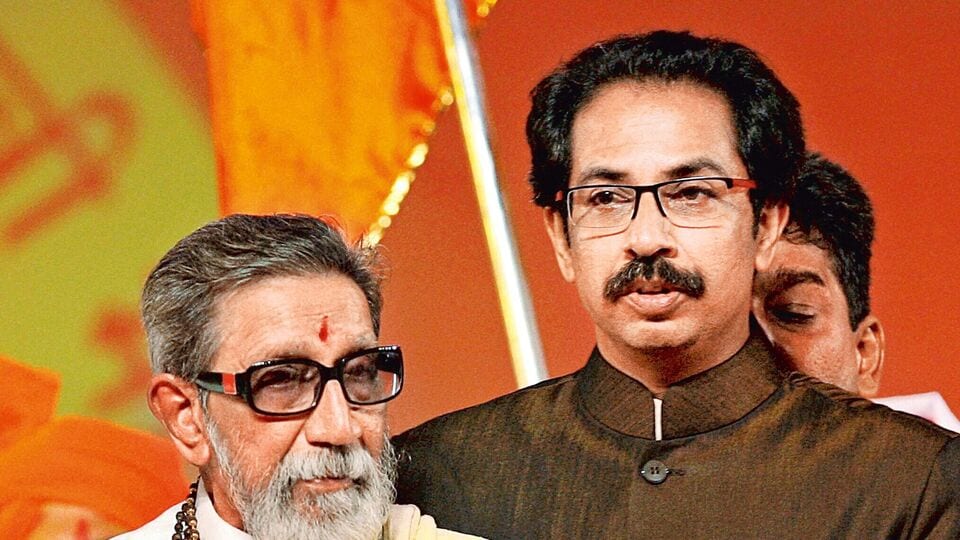
Balasaheb Thackeray’s influence transcended electoral politics. He was a cultural icon, a cartoonist-turned-leader who spoke directly to the masses. Shiv-Sena under his leadership became synonymous with bold decisions, street-level activism, and unapologetic regionalism.
The coming together of Uddhav Thackeray and Raj Thackeray is seen as an attempt to revive that spirit. Many believe Balasaheb would have approved of unity over division, especially when the party’s ideological roots are at stake.
Challenges Ahead for the Alliance
While the announcement of the alliance has generated optimism, challenges remain. Seat-sharing arrangements, leadership roles, and campaign coordination will require careful negotiation. Shiv-Sena (UBT) has a larger organizational structure, while MNS brings sharp rhetoric and urban appeal.
Maintaining unity throughout the election cycle will be critical. Any internal disagreements could weaken the alliance’s impact.
A Turning Point in Maharashtra Politics
The joint tribute to Balasaheb Thackeray and the announcement of the alliance mark a turning point in Maharashtra’s political narrative. It reflects a broader realization that unity is essential to preserve ideological relevance.
For Shiv Sena supporters, the alliance rekindles hope of reclaiming lost ground. For Marathi voters, it presents a familiar yet refreshed political option rooted in regional pride.
Conclusion
As Uddhav Thackeray and Raj Thackeray stand together, paying homage to Balasaheb Thackeray, Maharashtra politics enters a new chapter. The proposed alliance between Shiv Sena (UBT) and MNS for the 2026 municipal elections carries both emotional and strategic significance.
Whether this unity translates into electoral success will depend on execution, coordination, and public perception. However, one thing is certain: the legacy of Balasaheb Thackeray continues to shape the destiny of Shiv Sena and Maharashtra’s political future.
The coming months will reveal whether this historic alliance can revive the strength, influence, and ideological clarity that once defined Shiv Sena as a dominant force in the state.
Read More latest news

