
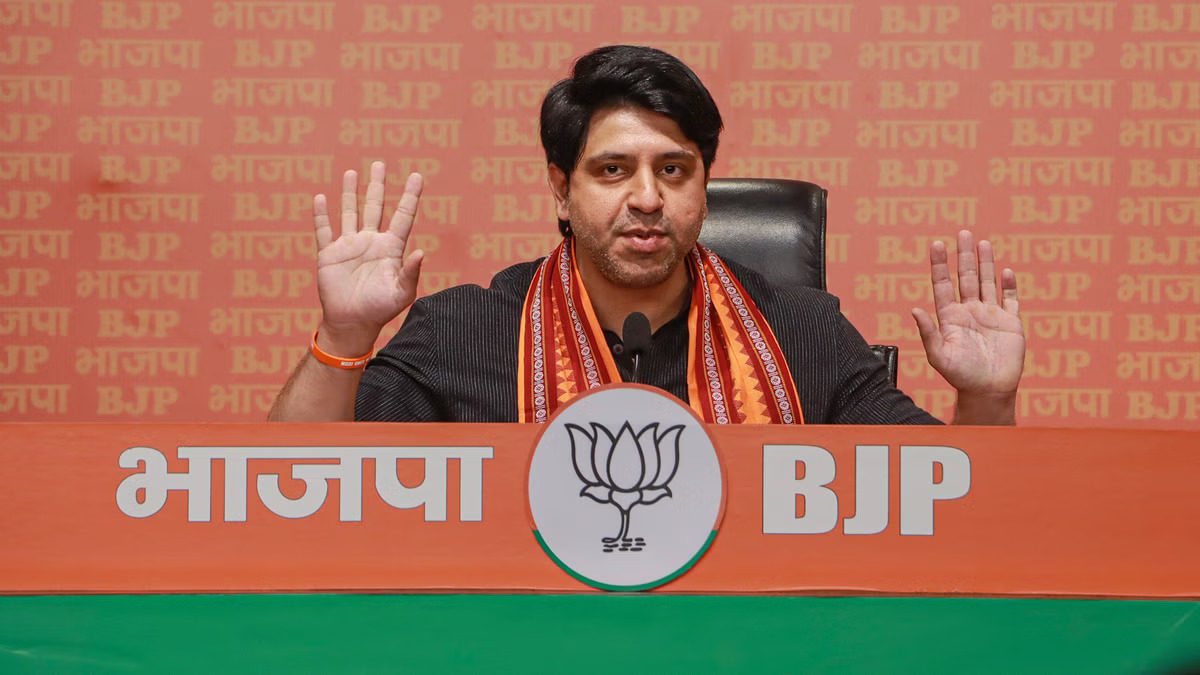
BJP’s Shehzad Poonawalla Apologises For Controversial Remark On AAP MLA Rituraj Jha’s Surname
A political storm brewed recently after BJP spokesperson Shehzad Poonawalla found himself at the center of controversy over a remark he made about AAP MLA Rituraj Jha’s surname. The comment, widely criticized as being inappropriate and insensitive, led to heated debates across social media and political circles. Following significant backlash, Poonawalla issued an apology, attempting to clarify his statement and emphasize his respect for all communities and individuals.
This incident has sparked discussions about the nature of political discourse in India, the need for accountability among political representatives, and the boundaries of acceptable commentary.
Shehzad Poonawalla The Controversial Remark
During a televised debate on a leading news channel, Shehzad Poonawalla allegedly made a comment referencing Rituraj Jha’s surname in a way that many interpreted as derogatory or mocking. The context of the debate was unrelated to personal identities, focusing instead on governance issues, but the remark stood out for its perceived personal attack.
Poonawalla’s comment was immediately called out by panelists and viewers alike, who deemed it unprofessional and unnecessary. Social media platforms were abuzz with hashtags like #PoonawallaApologize and #RespectDiversity, reflecting widespread disapproval.
Shehzad Poonawalla Public Reaction and Backlash
The fallout from the comment was swift and intense:
Political Reactions
- AAP’s Response:
Rituraj Jha and other AAP leaders criticized the remark as a deliberate attempt to demean an elected representative.- Rituraj Jha’s Statement: “Such comments reflect the mindset of individuals who cannot engage in meaningful debates. This is an insult not just to me but to the people I represent.”
- AAP Leader Arvind Kejriwal: “Personal attacks have no place in politics. We should focus on the real issues affecting the nation.”
- Opposition Voices:
Political leaders across parties, including Congress and regional outfits, condemned the remark. Many demanded a public apology from Poonawalla and the BJP leadership.
Shehzad Poonawalla Social Media Reactions
Twitter and other platforms were inundated with criticism, memes, and calls for accountability:
- Some users pointed out the rising instances of personal attacks in political debates.
- Others highlighted the need for maintaining decorum and respect, especially on public platforms.
BJP’s Initial Silence
While Poonawalla faced criticism, the BJP initially refrained from making an official statement. This silence drew further ire from opposition parties and activists, who accused the party of condoning such behavior.
Shehzad Poonawalla Apology
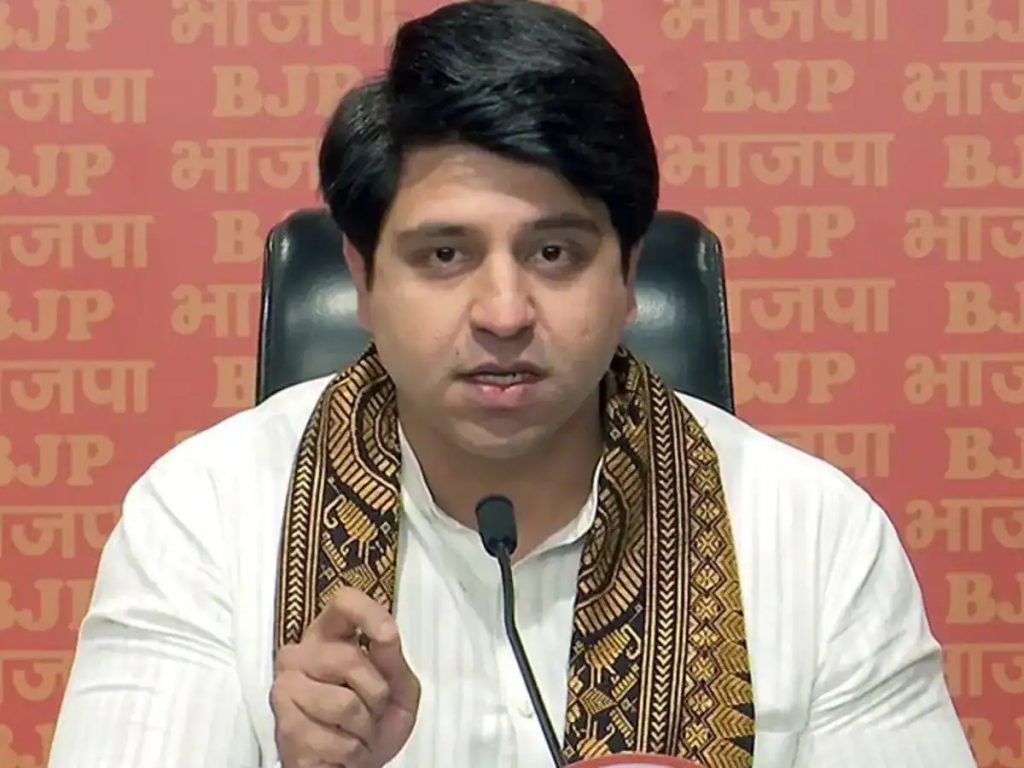
Recognizing the growing backlash, Shehzad Poonawalla issued a public apology through his social media handles and during a press conference.
Key Points from the Apology:
- Clarification:
Poonawalla stated that his comment was not intended to offend or target Rituraj Jha personally.- “I deeply regret if my words were misinterpreted or caused hurt. That was never my intention.”
- Acknowledgment of Mistake:
He admitted that his choice of words could have been better and took full responsibility for the controversy. - Commitment to Respect:
Poonawalla emphasized his belief in respectful and constructive dialogue, pledging to be more mindful in the future.
Shehzad Poonawalla Reception to the Apology:
While some appreciated Poonawalla’s acknowledgment of his mistake, others criticized it as being too little, too late. Many called for the BJP to take stronger measures to ensure accountability among its members.
Broader Implications
This incident raises several questions about the state of political discourse in India:
1. Declining Standards of Debate
Personal attacks and inflammatory remarks have increasingly overshadowed substantive discussions in Indian politics. Critics argue that such behavior erodes public trust in democratic institutions and representatives.
2. Role of Media
Televised debates often encourage sensationalism over substance, with panelists resorting to provocative statements for attention. Media channels also face criticism for failing to moderate discussions effectively.
3. Political Accountability
The lack of immediate consequences for controversial remarks fosters a culture of impunity. Observers suggest stricter party-level policies to deter such behavior.
4. Respect for Diversity
India’s rich cultural and linguistic diversity demands sensitivity and respect from political representatives. Incidents like this highlight the need for leaders to uphold these values.
BJP’s Response and Damage Control
Following Poonawalla’s apology, BJP leaders sought to downplay the controversy, urging the focus to return to governance issues. However, the party faces pressure to address internal mechanisms for preventing similar incidents in the future.
Possible Steps Forward:
- Code of Conduct: Introducing guidelines for party representatives to maintain decorum during public appearances.
- Training Programs: Sensitization workshops to promote respectful communication and diversity awareness.
- Accountability Measures: Ensuring swift action against members who cross the line, regardless of their stature.
Rituraj Jha’s Stand
Despite the apology, Rituraj Jha has maintained a firm stance, demanding that the BJP publicly denounce the comment. He has also called for an independent review of the incident to ensure that such behavior is not repeated.
Jha’s resilience in the face of the controversy has drawn widespread support, with many hailing his composure and focus on substantive issues.
Conclusion
The controversy surrounding Shehzad Poonawalla’s remark on Rituraj Jha’s surname underscores the urgent need for more respectful and issue-focused political discourse in India. While Poonawalla’s apology is a step in the right direction, it also serves as a reminder for political leaders across the spectrum to uphold the dignity of public office.
As the incident fades from headlines, it is crucial for all stakeholders—politicians, media, and citizens—to reflect on the broader lessons it offers about accountability, respect, and the true essence of democracy.
Read more Latest news

