

Ladli Behna Scheme Controversy: Warning in Sehore Triggers Political and Social Debate
Revenue Minister Karan Singh Verma A fresh controversy has emerged in Madhya Pradesh after a strong statement made during a government program in Sehore district. The issue revolves around women beneficiaries of the Ladli Behna scheme, one of the state government’s flagship welfare initiatives. At the center of the debate is Revenue Minister Karan Singh Verma, whose remarks have sparked widespread discussion on governance, women’s welfare, and the limits of administrative authority.
The Ladli Behna scheme was launched with the promise of providing financial security to women from economically weaker sections. However, recent developments have raised questions about how participation in government events is being linked to eligibility. According to reports, Revenue Minister Karan Singh Verma warned that women who fail to attend official programs could see their names removed from the scheme.
What Happened in Sehore?
The incident took place during a government-organized event in Sehore, where attendance by women beneficiaries was reportedly lower than expected. Officials had hoped for a large turnout to showcase public engagement with welfare schemes. When attendance remained thin, Revenue Minister Karan Singh Verma is said to have expressed displeasure, leading to a stern note of caution directed at beneficiaries.
Eyewitness accounts suggest that Revenue Minister Karan Singh Verma emphasized the importance of participation in government programs, stating that beneficiaries should show interest in initiatives meant for their welfare. His warning, however, quickly became the focal point of criticism.
Linking Welfare to Attendance
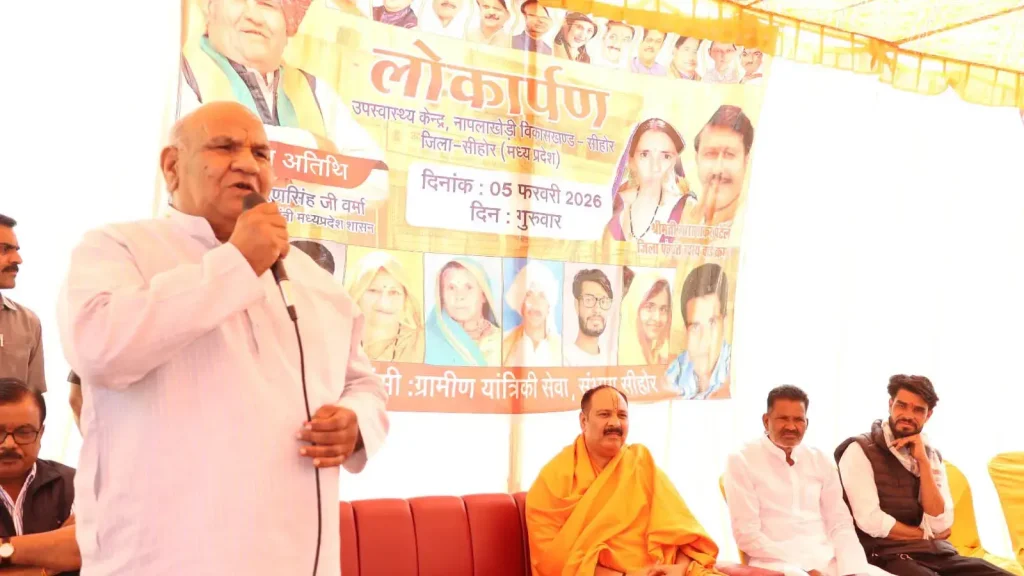
The Ladli Behna scheme was designed as a direct benefit transfer program, offering monthly financial assistance to eligible women. Critics argue that linking such benefits to attendance at events sets a worrying precedent. When Revenue Minister Karan Singh Verma spoke about removing names from the list, many felt it blurred the line between voluntary participation and compulsion.
Supporters of the minister, however, claim that Revenue Minister Karan Singh Verma was merely urging beneficiaries to stay informed and involved, rather than issuing an actual threat. They argue that public participation helps governments assess the impact of welfare programs.
Political Reactions Begin
Opposition parties were quick to seize upon the controversy. Several leaders accused the government of using welfare schemes as tools for political mobilization. They questioned whether Revenue Minister Karan Singh Verma had the authority to issue such warnings and whether attendance at events could legally determine eligibility.
In press statements, opposition leaders said that Revenue Minister Karan Singh Verma’s remarks reflected an authoritarian mindset and undermined the dignity of women beneficiaries. They demanded a clarification and, in some cases, an apology.
Women Beneficiaries Speak Out
Women enrolled in the Ladli Behna scheme expressed mixed reactions. Some said they felt anxious after hearing the statement by Revenue Minister Karan Singh Verma, fearing that missing events due to household responsibilities or work commitments could jeopardize their benefits.
Others felt the message was misunderstood, saying Revenue Minister Karan Singh Verma was encouraging engagement rather than threatening exclusion. However, the lack of clarity has left many beneficiaries uncertain.
Administrative Perspective
From an administrative viewpoint, officials argue that government programs are meant to bridge the gap between policymakers and citizens. According to them, Revenue Minister Karan Singh Verma was stressing accountability and awareness, not punishment.
Still, experts note that welfare schemes operate under clearly defined guidelines, and statements like those attributed to Revenue Minister Karan Singh Verma can create confusion if they appear to contradict official rules.
Legal and Policy Questions
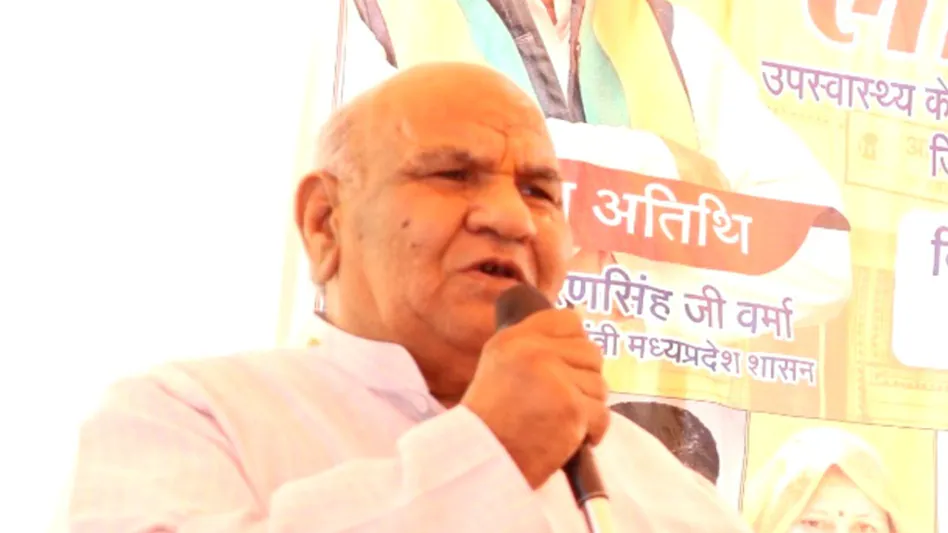
Legal experts have weighed in, stating that benefits under schemes like Ladli Behna cannot be withdrawn arbitrarily. If attendance becomes an informal criterion, it could face legal challenges. In this context, the remarks of Revenue Minister Karan Singh Verma are being closely scrutinized.
They emphasize that eligibility is determined by income, age, and residency—not event participation. Any deviation, they say, must be formally notified.
The Role of Communication
One key issue highlighted by this episode is communication. Clear messaging is essential when dealing with vulnerable populations. Analysts argue that Revenue Minister Karan Singh Verma’s statement, whether intended as motivation or warning, could have been framed more carefully.
Poor communication, they say, risks undermining trust in welfare initiatives that are otherwise popular and impactful.
Impact on the Ladli Behna Scheme
The Ladli Behna scheme has been politically significant, often cited as a major outreach effort toward women voters. Any controversy involving it attracts attention. The warning attributed to Revenue Minister Karan Singh Verma has temporarily shifted focus from the scheme’s benefits to questions about implementation.
Observers note that sustained controversy could affect public perception, even if no actual removals take place.
Government’s Response
Following the uproar, government sources clarified that no official order has been issued to remove beneficiaries based on attendance. They reiterated that Revenue Minister Karan Singh Verma’s remarks should not be seen as policy changes.
However, critics insist that verbal statements by senior ministers carry weight and can influence local officials’ behavior.
Broader Debate on Welfare and Dignity
This incident has fueled a broader debate on the dignity of welfare recipients. Many argue that beneficiaries should not feel pressured or threatened. When Revenue Minister Karan Singh Verma spoke in strong terms, it raised concerns about power dynamics between the state and citizens.
Social activists stress that welfare schemes are rights-based entitlements, not favors.
Media and Public Discourse
Media coverage of the episode has been extensive, with debates focusing on intent versus impact. Some commentators defend Revenue Minister Karan Singh Verma, suggesting his frustration was understandable given poor turnout.
Others counter that public officials must exercise restraint, especially when addressing marginalized groups.
Political Timing and Sensitivity
The timing of the controversy has also been noted. With elections always on the horizon, statements by leaders like Revenue Minister Karan Singh Verma are viewed through a political lens. Any perceived coercion can quickly become an election issue.
Political analysts say the government will need to manage the narrative carefully.
Lessons for Governance
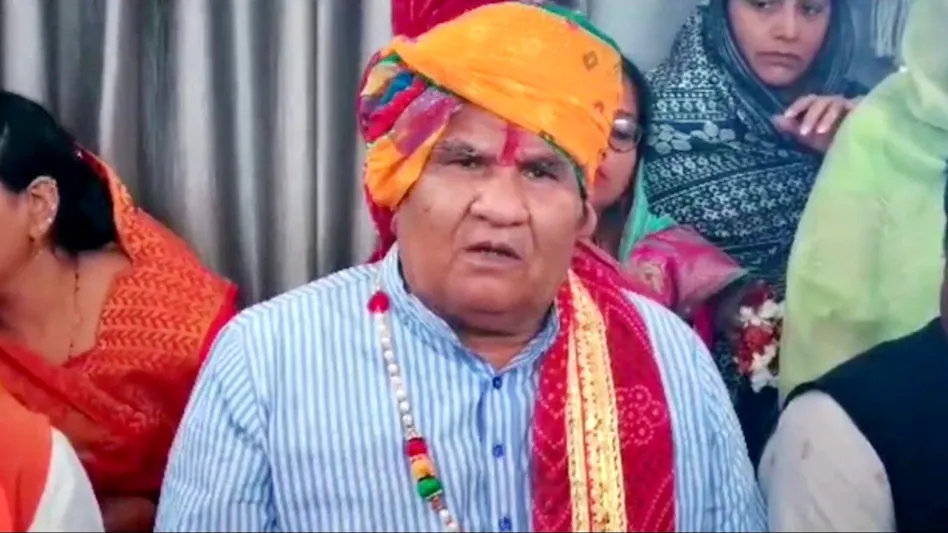
Governance experts point out that this episode offers lessons in sensitivity and clarity. Even well-intentioned remarks can backfire if phrased harshly. The reaction to Revenue Minister Karan Singh Verma’s warning demonstrates how quickly public trust can be shaken.
They recommend training for public representatives on communicating welfare policies.
Voices from Civil Society
Civil society organizations working with women beneficiaries have urged the government to reassure participants. They say that fear of exclusion defeats the purpose of empowerment. Statements from Revenue Minister Karan Singh Verma, they argue, should be followed by clear clarifications.
Such groups emphasize that participation should be encouraged, not enforced.
Balancing Accountability and Compassion
Supporters argue that accountability is necessary to ensure schemes reach the intended audience. They claim Revenue Minister Karan Singh Verma was emphasizing responsibility rather than issuing threats.
Still, balancing accountability with compassion remains a challenge in welfare administration.
The Road Ahead
As discussions continue, attention remains on whether any official action will follow. For now, authorities maintain that no beneficiary will be removed for non-attendance. The controversy surrounding Revenue Minister Karan Singh Verma serves as a reminder of the sensitivity required in public welfare communication.
Conclusion
The warning issued during the Sehore event has sparked an important conversation about welfare governance, women’s rights, and political responsibility. Whether Revenue Minister Karan Singh Verma intended his remarks as motivation or admonition, the reaction highlights the power of words spoken from positions of authority.
Ultimately, the success of schemes like Ladli Behna depends not just on financial support, but also on trust, respect, and transparent communication between the government and the people it serves.
Read More latest news

